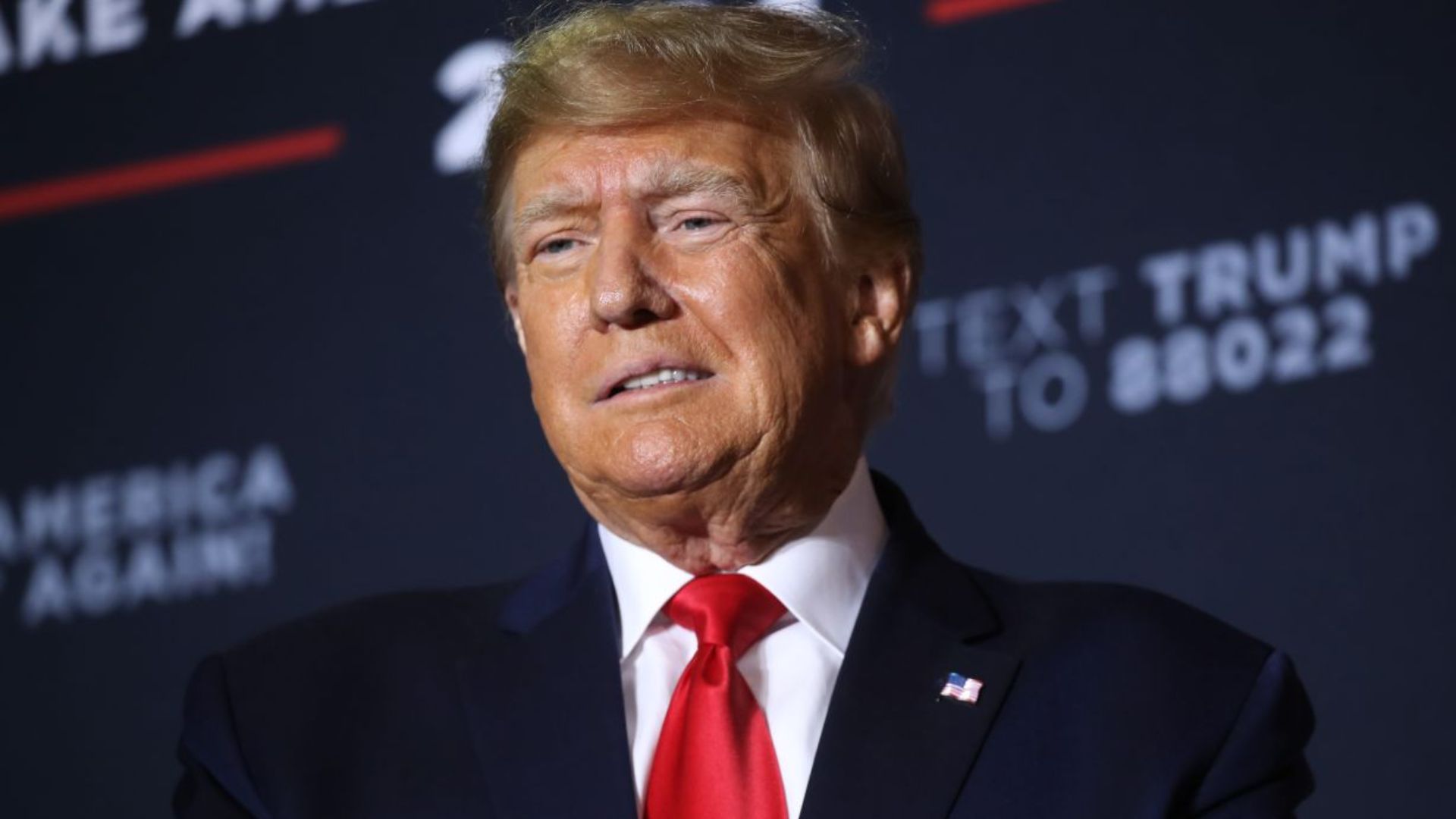
US New Tariffs: U.S. President Donald Trump signed a major executive order that introduces new tariffs on dozens of countries, including India. These tariffs are described as “reciprocal” and are set to begin on August 7. Trump’s move marks a bold step in his trade strategy, which could impact the global economy and shake up long-standing trade alliances.
Tariffs Range Between 10% and 41%
The executive order targets 68 countries and the 27-member European Union. According to the White House, tariffs will range from 10% to 41%, depending on the country. A senior official explained that the delay in implementation allows customs and border authorities time to adjust to the new system. For countries not named in the order, a default tariff of 10% will apply.
India to Face 25% Tariff
India is among the countries that will face a 25% tariff on exports to the United States. This announcement comes amid already difficult trade talks between Washington and New Delhi. Trump has often criticized India’s trade policies, and this move adds further tension to their economic ties.
Trump Extends Talks With Mexico, But Others Wait
While Trump has granted Mexico a 90-day extension to continue trade discussions, most of the countries on the list are still waiting for clarity. So far, only a few trade deals have been finalized, and even those lack complete details. This uncertainty has forced companies and manufacturers around the world to prepare for increased costs and possible price hikes.
Judges Question Legal Grounds of the Move
Trump’s aggressive approach to reshaping trade has sparked legal pushback. U.S. appeals court judges have expressed concerns about the legal basis of the executive order, calling it one of the most sweeping tariff actions ever taken by a president. Legal challenges may follow in the weeks ahead.
Global Trade Faces Uncertainty
This tariff strategy is part of Trump’s broader effort to protect U.S. industries and demand what he sees as fairer treatment in trade. However, many critics argue that these measures could hurt global economic growth, raise prices for consumers, and create new tensions with key allies.
Quote from Trump
Trump emphasized his motivation behind the order, stating that the U.S. must respond to unfair trade practices. In his words, the tariffs are meant to be “reciprocal”, meaning they mirror or respond to the trade barriers other countries impose on U.S. goods.
Full List of Tariffs
Some of the key countries and their new U.S. tariff rates include:
-
India – 25%
-
Bangladesh – 20%
-
Brazil – 10%
-
Iraq – 35%
-
Laos – 40%
-
Myanmar (Burma) – 40%
-
South Africa – 30%
-
Switzerland – 39%
-
Syria – 41%
-
United Kingdom – 10%
-
Vietnam – 20%
-
European Union – Mixed rates based on product type
A complete list shows that many developing nations will face tariffs of 15% or higher.
What This Means for India
India’s 25% tariff is part of a broader pattern where the U.S. seeks to rebalance trade relationships. Although India remains a key economic partner, especially in sectors like technology, energy, and defense, this move may delay future trade agreements. India is still optimistic, with Commerce Minister Piyush Goyal saying the country hopes to strike a deal with the U.S. soon.