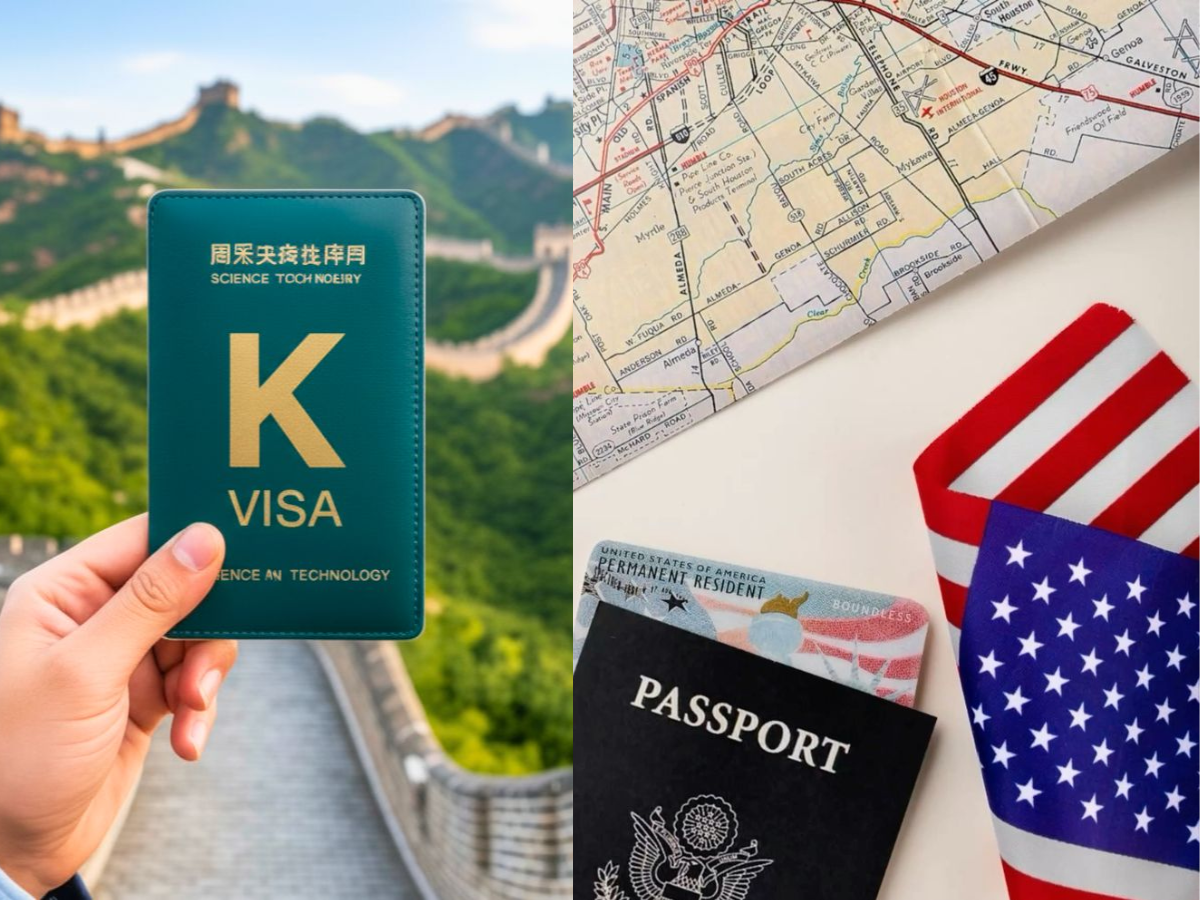
The H-1B of the United States and the K visa of China is aimed at procuring the country’s requirement for top talent in the fields of Science, Technology, Engineering and Mathematics (STEM). Their target professionals are almost identical, and these visas have diverging requirements, process and flexibility.
Difference Between K Visa and H-1B Visa
The K Visa and H-1B visas are well-known for attracting specialized talents into countries and they are different in terms of eligibility conditions, procedures for application and benefits accruing to beneficiaries. The K visa is introduced by China in 2025 is a new type of visa that has more flexibility towards young STEM professionals from around the world. The H-1B visa is a decades-old program in the United States that focuses on employer sponsorship and has a cap on the number of potential applications.
| Feature | China K Visa | U.S. H-1B Visa |
| Purpose | Attract young professionals in STEM fields | Hire foreign workers in specialty occupations |
| Sponsorship | No employer sponsorship required | Employer sponsorship required |
| Eligibility | Young professionals in STEM fields, graduates and researchers | Workers with a bachelor’s degree in a specialty occupation |
| Annual Gap | No annual cap | Subject to annual cap (65,000 regular, 20,000 with a U.S. master’s degree) |
| Duration | Multiple entries, long-term stay options | Typically, 3 years, extendable up to 6 years |
| Cost | Varies (no employer involved) | $100,000 for new applications (as per recent changes) |
ALSO READ: Elon Musk Consoles Erika at Charlie Kirk’s Memorial In Arizona: WATCH
What is China’s K visa?
The China K visa, which came into force in October 2025, is designed to capture the imaginations of talented young professionals abroad, in order for them to contribute to China as it innovates in science and technology. There is no requirement for a domestic employer to act as sponsor for the K visa, meaning that individuals could apply directly and giving them increased autonomy.
Key features of the K visa:
- Specific Audience: The visa directly targets young professionals in STEM areas and interested in making a difference in China’s rapidly growing technical and research fields.
- Not an Employer Sponsorship: Applicants do not require the invitation from a Chinese employer to more easily access the processes.
- Broader Engagement Scope: K visa holders can engage in everything from academic exchanges to launching their own enterprises without restricted to a single employer.
- Strategic Value: This falls under China’s Talent Power Strategy, aimed at attracting into the country the best minds to drive innovative and research-oriented development of technology.
ALSO READ: Who Is Inderjit Singh Gosal? SFJ Leader Pannun’s Close Aide Arrested in Canada
What is the H-1B Visa of the US?
The H-1B visa is one of the most advertised visa programs in the USA. It judicially qualifies foreigners to work in the United States in specialty occupation jobs. These jobs usually require a high level of expertise in areas such as engineering, medicine, IT or finance.
Key features of the H-1B visa program include:
- An Application through an Employer: The U.S. employer must petition on behalf of the applicant, and the visa holder is tied to the employer’s job offer and is not free to pursue other employment opportunities without adjustments.
- Cap and Lottery: The program has a severe annual cap of 85,000 new H-1B visas to be issued every year (20,000 more for those having a master’s degree in the U.S). The applicants are expected to be selected through a lottery due to demand being almost triple.
- Long-Term Possibilities: This scheme provides an individual with the opportunity of staying in America for six years and the option to apply for a permanent residency application during that time.
Key Differences between K Visa & H1B
The visa systems of both the China K and the US H-1B target specific foreign skilled workers into their countries but on opposite grounds. The differences here are primarily due to factors like the requirement of sponsorship, job opportunity flexibility and ease of application.
This K visa offers individuals a much more independent route with opportunities for diverse professional and academic engagements. H-1B visa is employer dependent and restricts movement inside the US job market while providing long-term stability and chance to pursue permanent residency.
ALSO READ: JSMM Chairman urges UN to hold Pakistan accountable for rights abuses, ethnic oppression
Disclaimer: This article compares China’s K visa and the U.S. H-1B visa for foreign professionals and information is based on current policies and available data.