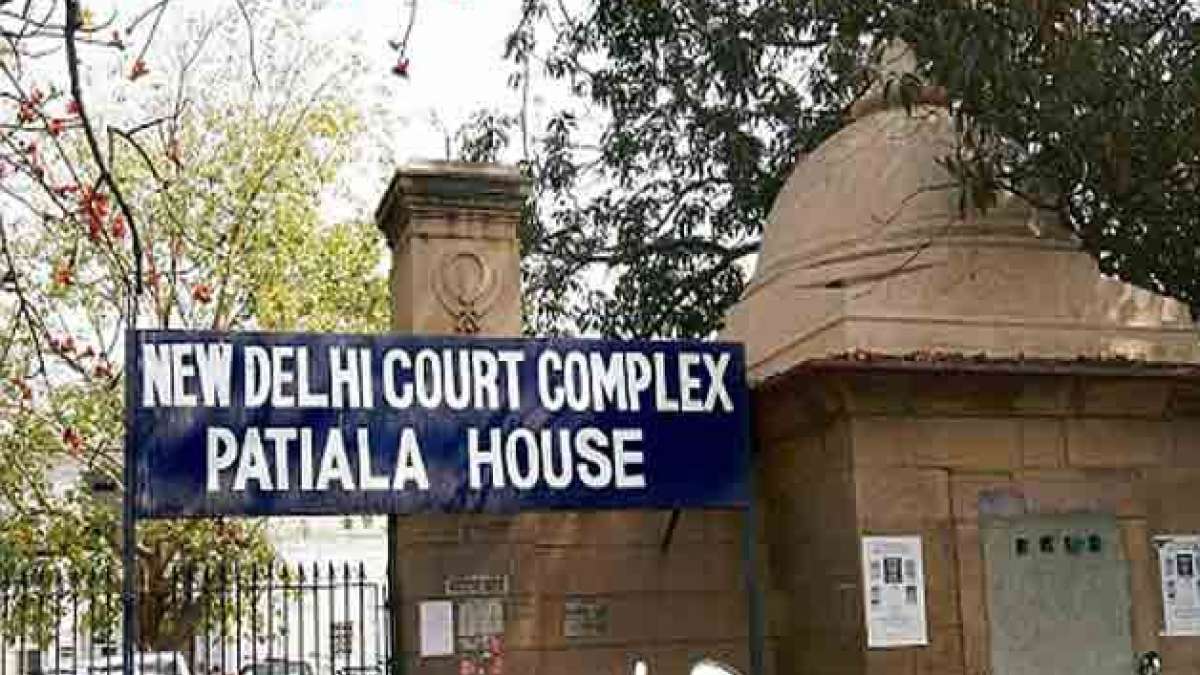
NEW DELHI: A court in New Delhi has ordered the immediate release of 14 Jawaharlal Nehru University (JNU) students who had been unlawfully kept in jail even after being granted bail in connection with a protest-related case. The Patiala House Court’s directive on Sunday stressed that procedural delays — such as verifying addresses — cannot be used to extend custody once bail has been legally granted.
The students had been arrested on February 27 during demonstrations that followed clashes at the JNU campus. They were among a larger group detained after a protest march, organized by the Jawaharlal Nehru University Students’ Union (JNUSU), which turned confrontational at the university gates. Police alleged that barricades had been broken and several officers were injured in the scuffle. A First Information Report (FIR) was registered at the Vasant Kunj North Police Station, and the students were charged under various provisions of the Bharatiya Nyaya Sanhita (BNS), including obstruction of public servants, assault and causing hurt.
On February 27, a magistrate court granted bail to all 14 students, noting that while offences like assaulting police personnel are serious, the accused were young students with their careers ahead of them. The bail conditions set included a bond of ₹25,000 with a surety of the same amount, and other standard requirements such as maintaining communication with the court and not influencing witnesses.
However, release orders were not immediately implemented. The initial bail order included a condition that the students’ permanent addresses be verified before they could be freed from custody. Because most students were from outside Delhi and resided in hostel accommodation, verifying addresses through local police took longer than expected. As a result, they remained in judicial custody in Tihar Jail despite having met all conditions of their bail.
Counsel for the students challenged this continued detention, arguing that the purpose of bail is to secure attendance at trial, not to punish the accused through unnecessarily extended incarceration due to administrative formalities. On Sunday, Duty Magistrate Ravi agreed, observing that procedural checks like address verification should not be allowed to nullify or dilute the effect of a bail order. He held that once bail has been granted, the liberty of the accused cannot be proportionately undermined by bureaucratic delays.
The court noted that administrative processes — including travel delays and bank holidays — had contributed to the holdup, and that these factors were beyond the control of the students. It emphasised the constitutional principle that right to personal liberty under Article 21 of the Constitution cannot be curtailed without just cause. Keeping under-trials behind bars simply because a verification exercise is lagging would make the right to bail “illusory,” the judge said.
In its order, the court directed the authorities to verify the addresses even after the students’ release and to complete the process within a set timeframe — typically within 10 days — while imposing appropriate safeguards to ensure the students cooperate with the investigation and appear in court when required.
The ruling was welcomed by student leaders and legal advocates who have maintained that procedural formalities should not be used to keep undertrials incarcerated indefinitely. N Sai Balaji, President of the All India Students Association and former JNUSU President, praised the court for recognising that imposing bail conditions that effectively prolong detention is unjust. He said the moment the release order reached Tihar Jail, all 14 students were freed.
This case highlights an important legal principle: bail is a fundamental right and, once granted, cannot be rendered meaningless by avoidable administrative delays. The Delhi court’s order reaffirms that custodial release must follow swiftly once legal conditions are met, and that courts must ensure procedural safeguards do not unintentionally lead to disproportionate detention.