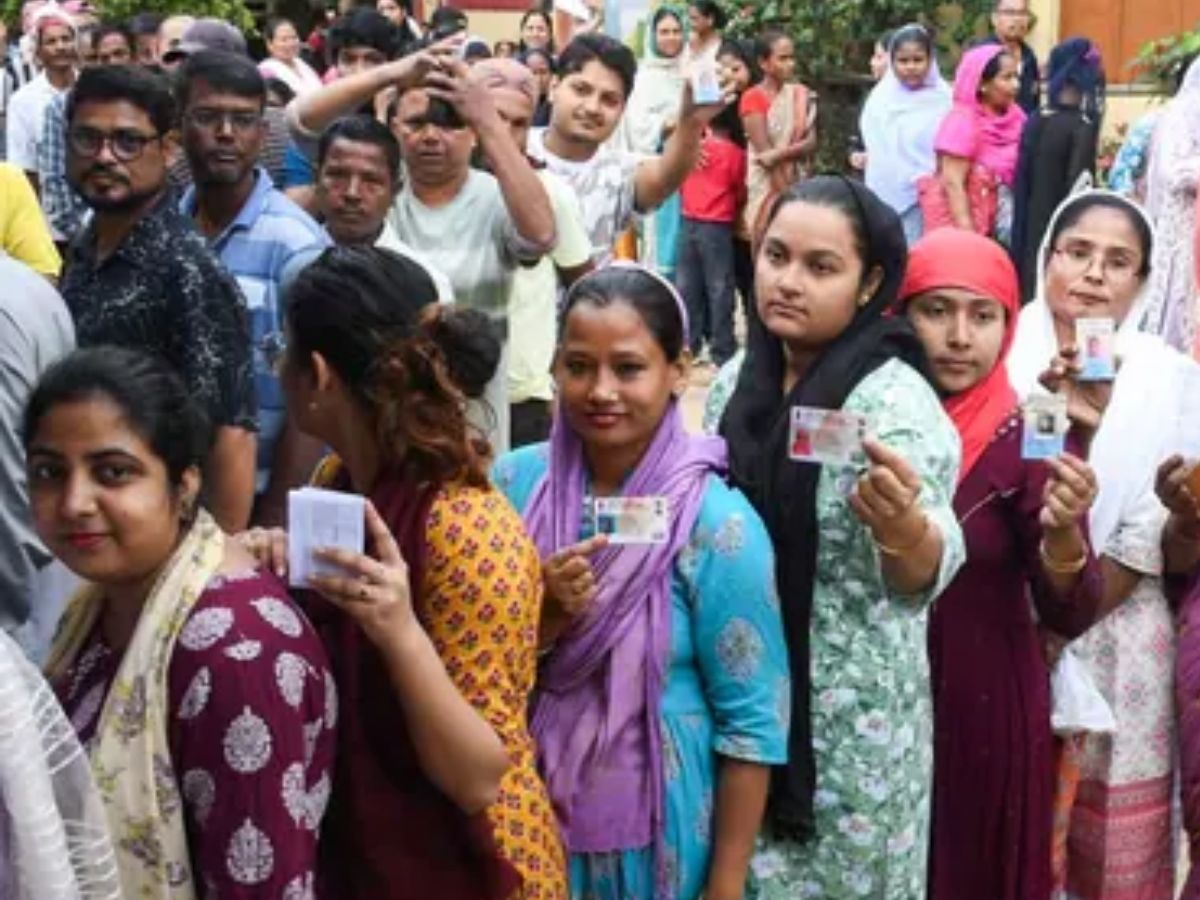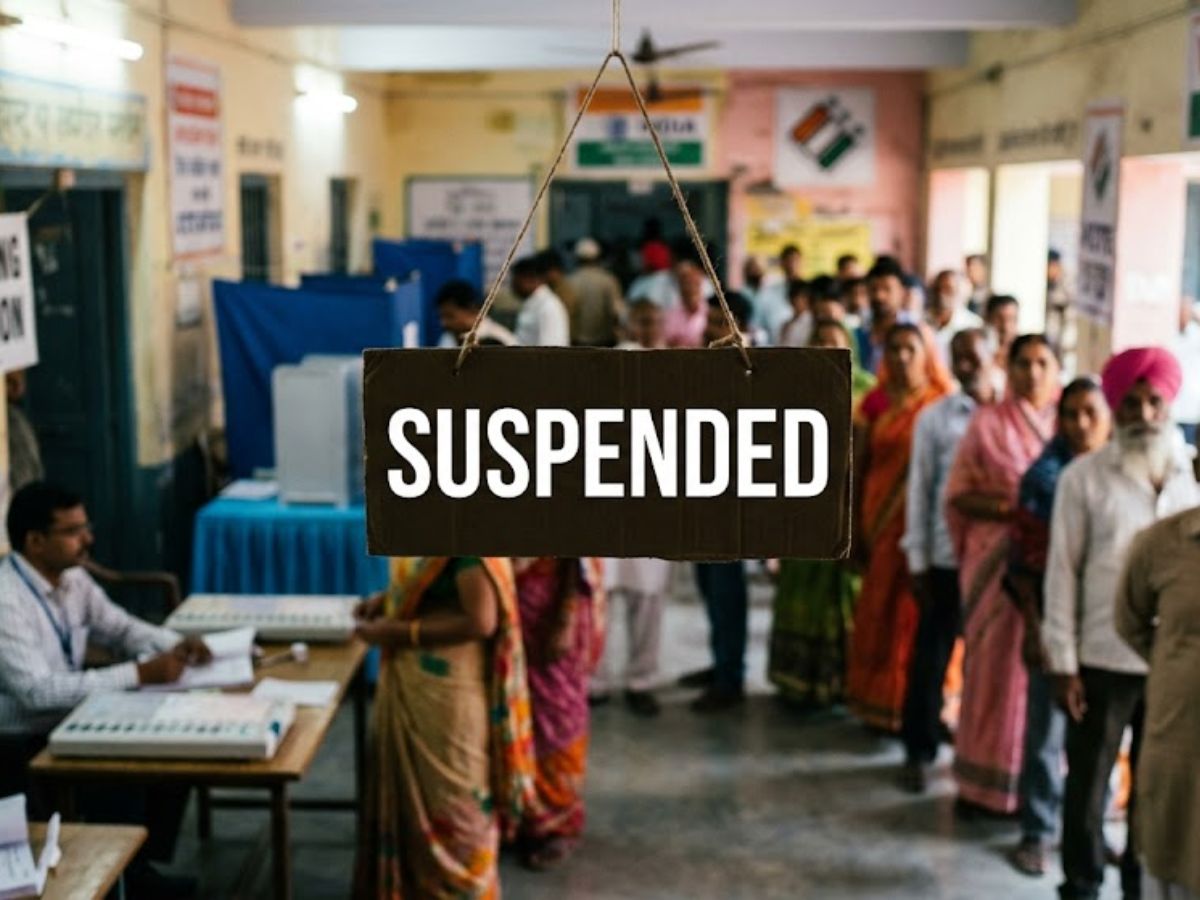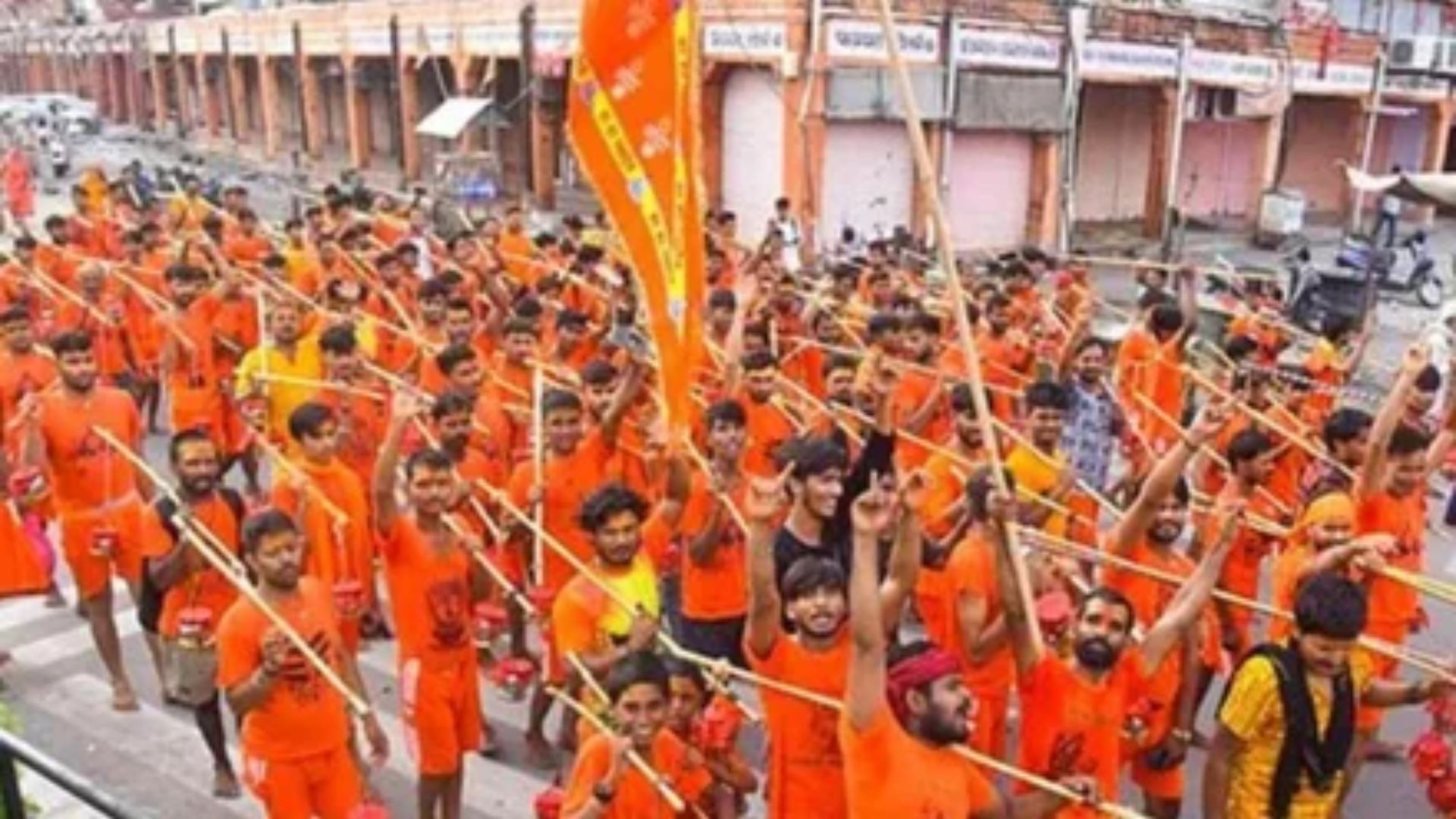
The authorities in Uttar Pradesh have reportedly placed new curbs on Kanwariyas, denying them the right to carry tridents (trishuls), hockey sticks, and other such objects during the Kanwar Yatra in several districts. This is a response to a recent spate of violent cases on the pilgrimage routes.
In order to meet the noise pollution issues, officials have also prohibited motorcycles without silencers from being utilized on yatra routes. The new regulations are said to extend to districts such as Meerut, Baghpat, Muzaffarnagar, Shamli, Saharanpur, Bulandshahr, and Hapur.
Talking to The Times of India, ADG (Meerut Zone) Bhanu Bhaskar stated, “The government has given clear instructions against it. We are implementing them strictly, and FIRs are being lodged against them.” He further stated that even symbolic exhibition of weapons would not be accepted.
Surge in Yatra-Related Violence
These administrative measures are taken in the wake of a string of violent incidents reported during the current yatra. In one such recent incident, seven Kanwariyas were arrested after they allegedly beat up a CRPF jawan at Mirzapur railway station.
Viral videos depicting the incident showed the jawan being pinned down and beaten by men who wore saffron-colored clothes.
A senior official confirmed the arrests: “Seven Kanwariyas have been arrested in the case of beating up a CRPF jawan.”
Earlier, in Kanpur, a home guard, a private security officer, and a student volunteer were hurt in a fight during the yatra. Although initial reports indicated Kanwariyas’ involvement, they were not mentioned in the FIR filed in the case, PTI reported. Five people were arrested in connection with the beating.
Moreover, another violent incident was witnessed in Meerut, as a gang of Kanwariyas reportedly smashed a bus and attacked its driver after the vehicle ran over some of them.
As concerns regarding safety and order increase on the religious procession, authorities seem to be enforcing stricter measures to ensure law and discipline throughout the state.