

From NASA to JAXA: The World’s Leading Space Agencies
From first satellite into orbit to current Mars missions interplanetary exploration courses seem to be aligned with asteroid missions which include the collaborative efforts of the world’s space agencies NASA, ESA, Roscosmos, CNSA and JAXA. The projects, partnerships, innovations and technology breakthroughs that will take place within these frameworks continue to push the boundaries of science and make it safer for humans to explore and experience new wonders from beyond Earth.
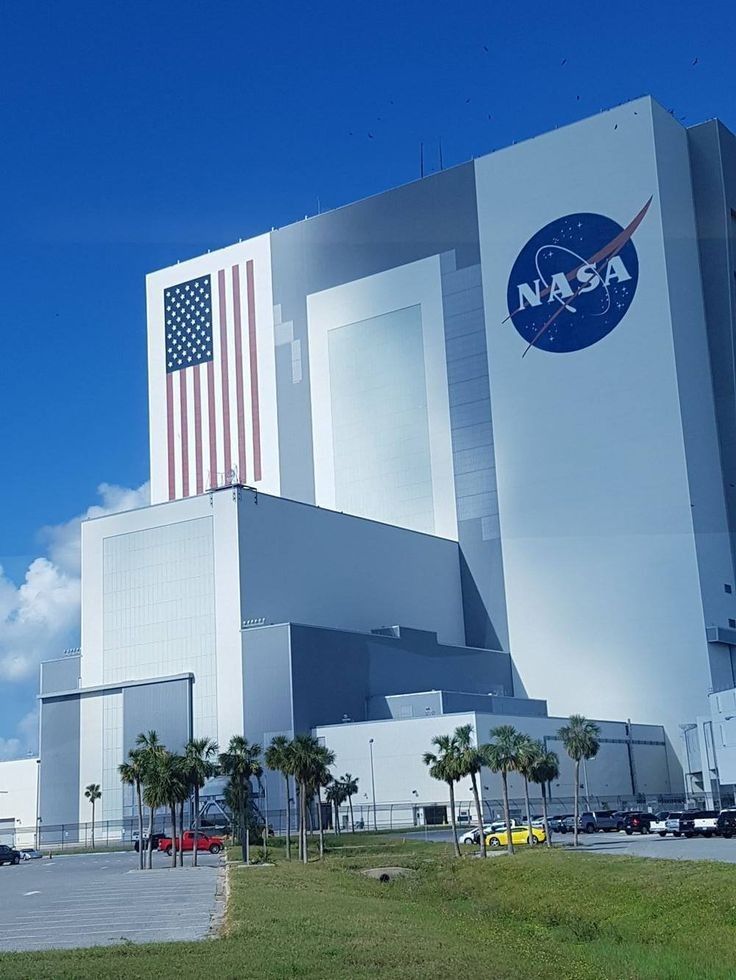
NASA: Exploring Space Since 1958
Founded in 1958, NASA led humans to the Moon and launched groundbreaking missions like the Hubble Telescope and Mars rovers. It continues to explore deep space.
(Photo: Pinterest)

ESA: Europe’s Space Powerhouse
ESA’s innovative missions like Ariane rockets, Rosetta and Mars Express have made Europe a key player in space research and international collaborations.
(Photo: Pinterest)

Roscosmos: The Russian Space Legacy
Russia’s space agency launched the first satellite and first human, and built stations like Salyut and Mir shaping space exploration’s early years.
(Photo: Pinterest)
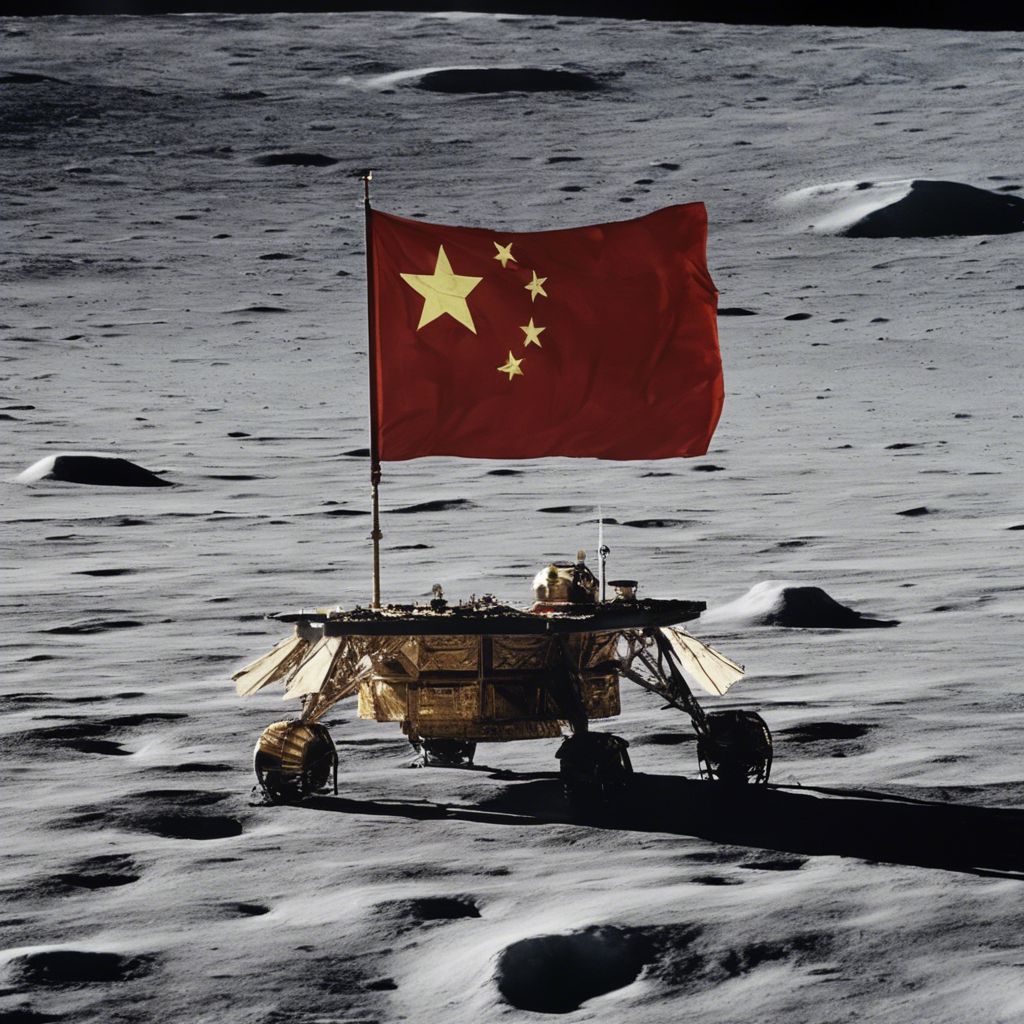
CNSA: China’s Rise in Space
China’s CNSA advanced space exploration with human missions building the Tiangong space station and sending probes to the Moon and Mars successfully.
(Photo: Pinterest)
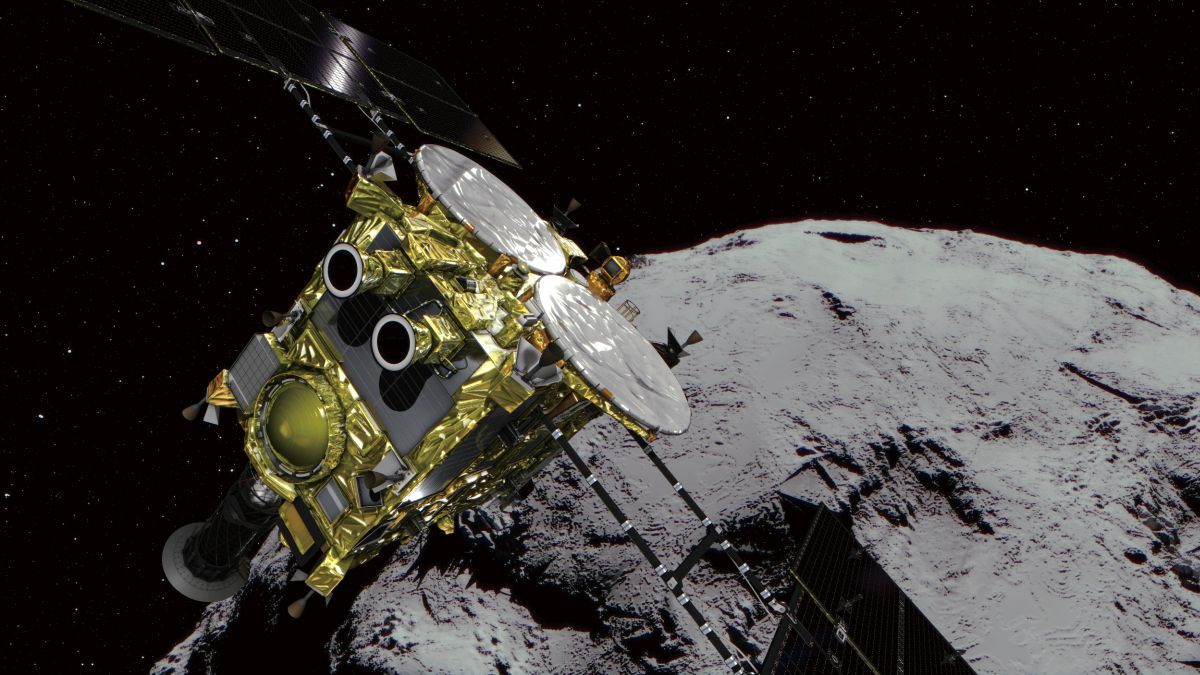
JAXA: Japan’s Asteroid and Earth Research
Japan’s JAXA has led in asteroid sample return missions and supports global space efforts with Earth observation satellites and ISS research facilities.
(Photo: Pinterest)




