0
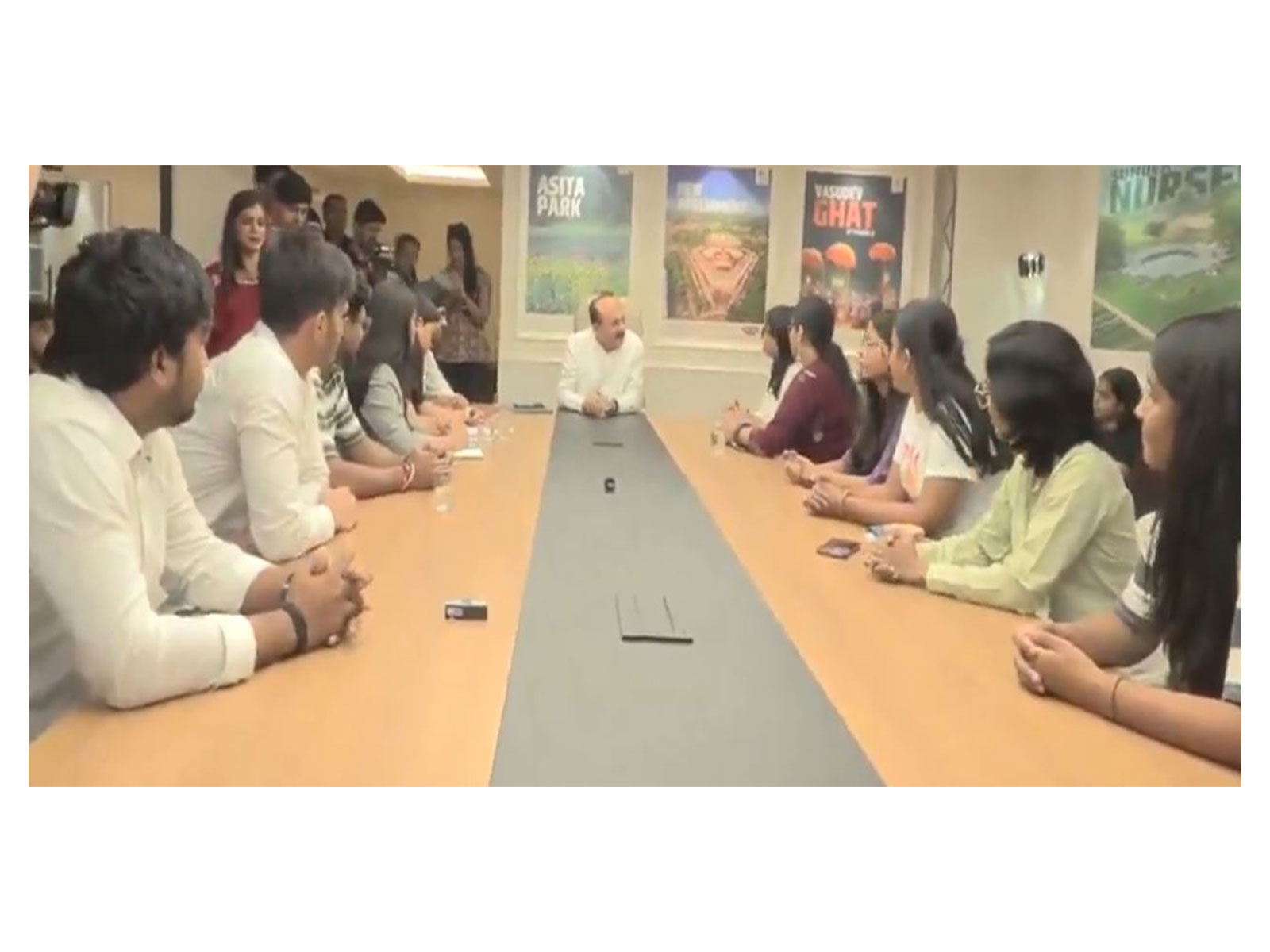
NEW DELHI: The Delhi government is likely to introduce comprehensive legislation and regulations governing paying guest (PG) accommodations within the next one to two months, Urban Development Minister Ashish Sood said after interacting with university students residing in PGs and rented accommodation. Minister held discussions with a delegation of university students, including NSS volunteers, to gather first-hand feedback on their living conditions and safety concerns following the tragic building collapse in Satya Niketan. The interaction focused on several issues faced by students in rented accommodation, including structural safety, arbitrary charges, lack of transparency and weak enforcement of tenancy agreements.
The minister said the Urban Development Department had already been working on a policy for regulating PG accommodations, but the Satya Niketan incident had prompted the government to expedite the process.
“The Urban Development department was already working on a PG policy, and as I shared with you earlier, on implementing the Justice Gauba Committee report for coaching institutes. But this tragic incident has forced us to speed up the implementation of the Gauba Committee report and frame a policy that addresses everyone’s concerns,” Sood said.
During the interaction, students flagged several concerns related to rented accommodation. They called for a dedicated digital portal where PG operators would be required to disclose details such as rent, meal plans, facilities and structural safety compliance before students take accommodation. Students also alleged that landlords frequently fail to honour terms specified in rental agreements and impose arbitrary electricity charges. Safety emerged as another major concern, with students seeking mandatory pre-monsoon inspections, structural safety certificates and periodic audits of PG properties.
Notably, responding to the concerns, Sood said the government was examining a legal mechanism to ensure that tenancy agreements between landlords and tenants become legally enforceable. He added that the government would consult PG operators, parents, civic agencies and other stakeholders before finalising the regulatory framework. Further, the government is also considering a mandatory digital registry for PG accommodations, which could provide students with information on rent bands, available facilities and compliance with safety audits. The proposed system is aimed at bringing greater transparency and accountability to the largely unregulated student housing sector.
Moreover, the government is examining measures to expand hostel capacity in Delhi. Sood said higher Floor Area Ratio (FAR) could be permitted to allow universities and educational institutions to increase their on-campus hostel capacity.
Alongside regulation, another proposal under consideration is the conversion of vacant government properties into student accommodation. According to Sood, unused government buildings, including properties in Narela, could be converted into secure hostels and connected to educational institutions through dedicated bus services. The government is also exploring private-sector participation and assistance from the Centre to bridge the gap between the demand for affordable student accommodation and its availability in the national capital.
UD Minister said the issue had already been discussed at the highest levels, including at a joint meeting involving Delhi Lieutenant Governor Sardar Taranjit Singh Sandhu and Chief Minister Rekha Gupta.
“We just met these young students. After this, we will also speak with PG managements, parents, and civic agencies to understand their concerns regarding water, the municipal corporation, and the electricity department, and figure out how we can regulate them,” Sood said.
He added, that following consultations with the Chief Minister, Lieutenant Governor and other stakeholders, the proposed policy would be placed before the public, with the government aiming to implement it within around one to one-and-a-half months. The minister also referred to the proposed Paying Guest Accommodation Regulation and Safety Bill, 2026, which is expected to provide a statutory framework for the sector. The proposed legislation could include mandatory operating licences for PG establishments, zone-wise rent bands, structural and fire safety audits, and a centralised GovPG portal.
Following high-level reviews chaired by the Lieutenant Governor and Chief Minister, the government has also ordered strict structural audits in major student accommodation hubs, including South Campus and Mukherjee Nagar. The reviews have additionally examined measures to increase hostel capacity through changes in FAR norms. The proposed reforms are aimed at addressing longstanding gaps in the regulation of student housing, particularly in areas where large numbers of students depend on private PGs and rented accommodation, while strengthening safety, transparency and accountability across the sector.