
Tehran/Washington:
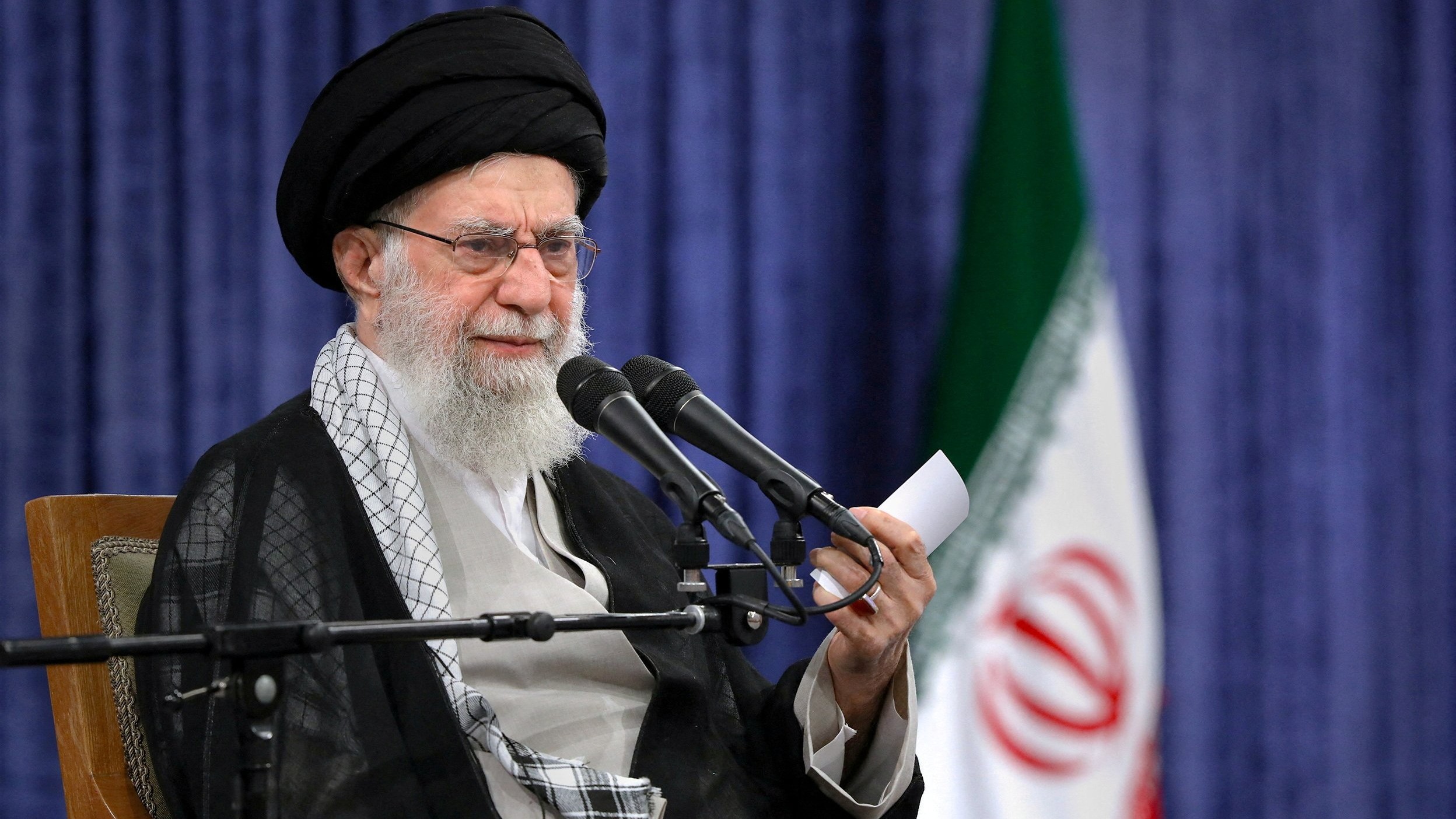
The directive comes amid fragile diplomatic engagement between Tehran and Washington, with Pakistan reportedly mediating backchannel talks. Trump had earlier assured Israel that Iran’s stockpile of highly enriched uranium would be removed from the country, according to Israeli officials quoted by Reuters.
Israeli Prime Minister Benjamin Netanyahu has also maintained that hostilities cannot end unless Iran’s enriched uranium is taken out of its custody, Tehran halts support to regional proxy groups and its ballistic missile infrastructure is dismantled.
However, Iranian officials appear unwilling to give up control over the material. One Iranian source said the consensus within Tehran’s establishment was that the stockpile must remain inside the country. Officials believe sending it abroad would weaken Iran’s security and leave it vulnerable to future military action by the US or Israel.
The impasse follows a fragile cessation of hostilities after US-Israeli strikes on Iran and subsequent retaliatory action by Tehran. Despite the pause in fighting, negotiators have made little progress, with disputes continuing over Iran’s nuclear programme, the future of its enriched uranium and Tehran’s demand for recognition of its right to enrichment.
Iranian officials have said they want a legally binding and permanent end to the war, backed by credible guarantees that neither the US nor Israel will launch fresh strikes. Tehran has maintained that it has no intention of building a nuclear weapon.
Before the conflict escalated, Iran had indicated conditional willingness to export nearly half of its uranium enriched to 60 per cent, a level far above what is required for civilian use. That position reportedly hardened after repeated threats of military strikes by Trump.
One Iranian source, however, suggested that compromise was still possible, including diluting the stockpile under the supervision of the International Atomic Energy Agency. IAEA estimates had earlier placed Iran’s 60 per cent enriched uranium stockpile at 440.9 kg at the time of strikes on its nuclear facilities in June 2025. The volume that survived the attacks remains unclear.
IAEA Director General Rafael Grossi said in March that the remaining stock was “mainly” being held in a fortified underground tunnel network at the Isfahan nuclear facility, with inspectors estimating that slightly over 200 kg was located there. Another portion is believed to be held at Natanz.
The diplomatic tension has coincided with a sharp escalation in Washington’s messaging. The White House released a proclamation portraying Trump as a leader who had “neutralised” enemies of America. The graphic featured Trump above portraits of international figures, including Nicolas Maduro, Ayatollah Ali Khamenei, Abu-Bilal Al-Minuki and Raul Castro, with labels such as “arrested”, “killed” or “indicted”.
The message ended with the warning: “Justice will be served.”
Its release came as the US formally charged Raul Castro over a 1996 strike on two civilian aircraft flown by four exiled Cuban nationals. Acting Attorney General Todd Blanche said it marked the first time in nearly 70 years that senior Cuban leadership had been charged in the US for acts of violence that killed American citizens.
Meanwhile, Iran has warned of a massive response if its territory is attacked again, while commanders of the Islamic Revolutionary Guard Corps have threatened to expand hostilities “beyond the region” if American or Israeli strikes resume.