NEW DELHI: As people age, their protein requirements and the way their bodies process it can change significantly, making protein one of the most important nutrients to get right in later life. While protein is essential at every stage of life — supporting muscle repair, immune function, hormone production, and overall cellular health — older adults often need to pay extra attention to how much and what kind of protein they consume.
Experts explain that the recommended baseline for adults of all ages generally starts at around 0.8 grams of protein per kilogram of body weight per day. Roughly equal to about 56 grams for a 70-kg person. This amount is considered sufficient to prevent deficiency and meet routine bodily needs in healthy, sedentary adults. But as the body ages — particularly past midlife — the efficiency of protein utilisation declines, and requirements to maintain muscle tissue increase. This decline is partly due to a phenomenon called anabolic resistance, where the muscles become less responsive to protein intake.
Because of this, nutritionists and researchers often advise that older adults — especially those over age 60 — aim for a slightly higher daily protein target. Many nutrition guidelines suggest 1.0 to 1.2 grams per kilogram of body weight per day for healthy seniors, with even higher amounts — up to 1.2 to 1.5 g/kg — for those with chronic illness, low food intake, or greater physical activity needs. For someone weighing 60 kg, that would translate to roughly 60-90 grams of protein a day.
Increasing protein intake with age is particularly important because muscle mass naturally declines as part of ageing — a condition known as sarcopenia. Without adequate protein, older adults are more prone to frailty, weakness, slower recovery from illness, and even increased risk of falls and fractures. Ensuring sufficient protein also supports a healthy immune system and helps maintain bone and connective tissue integrity for everyday mobility.
But it’s not just about total grams — protein quality and distribution throughout the day matter too. Research suggests that consuming protein in balanced amounts across meals (for example aiming for 20-30 grams per meal) can better stimulate muscle protein synthesis than concentrating most protein in one large meal.
For older adults, especially those who are physically active or engage in resistance training, higher protein intake can also improve muscle repair and strength gains. Some health professionals recommend even more (up to 1.5-1.7 g/kg) for individuals with intense exercise routines or specific health goals, though these higher levels aren’t necessary for everyone.
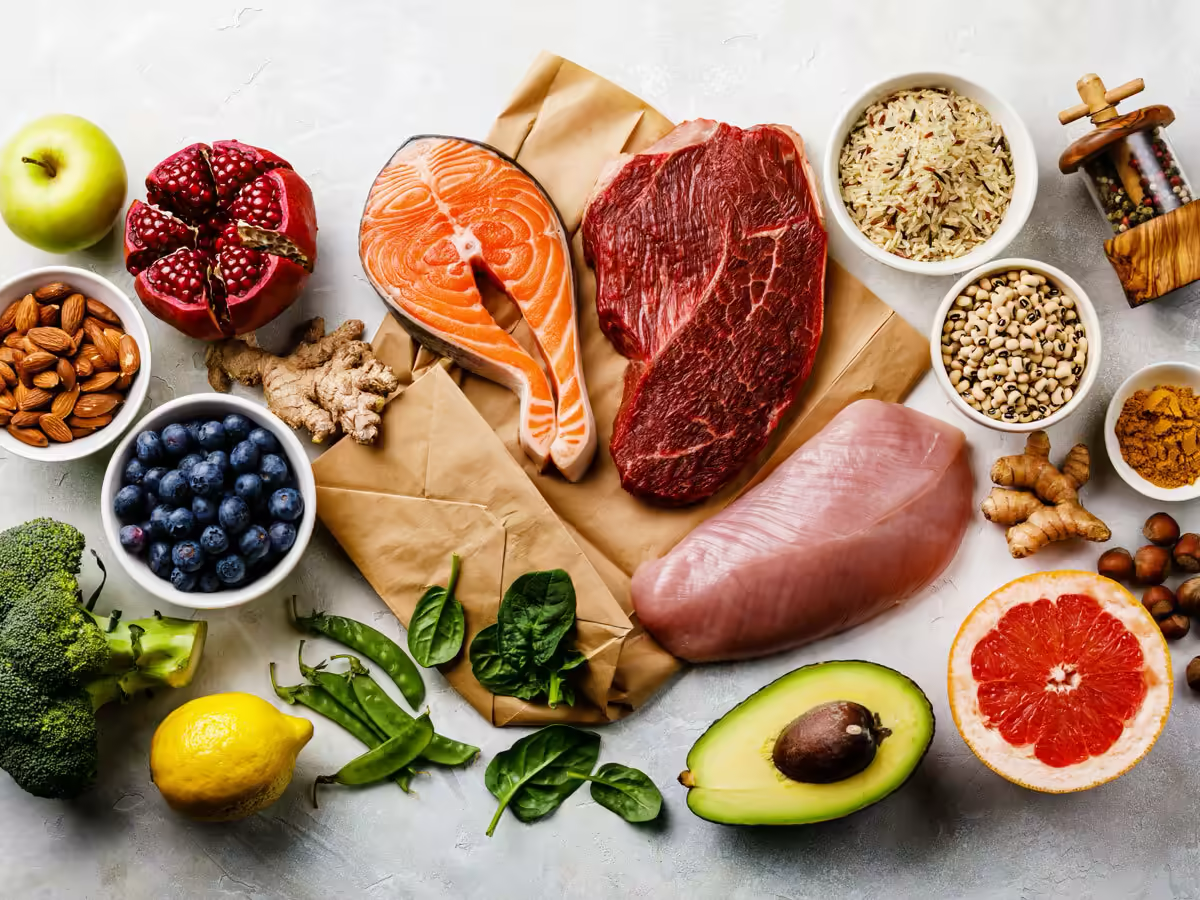
Meeting increased protein needs doesn’t require supplements if a balanced diet is in place. A variety of foods — including eggs, dairy, lean meats, fish, pulses, nuts, seeds, and legumes — can provide high-quality protein and other essential nutrients. For those on vegetarian diets, combining different plant sources ensures a complete amino acid profile.
Nevertheless, the trend of trying to consume as much protein as possible each day has pitfalls. Experts note that excessive protein — especially from processed supplements or in diets very high in animal protein — may not benefit everyone and could pose risks for people with certain health conditions. Tailoring intake to individual health status, activity level, and dietary preferences remains key.
In summary, while protein needs don’t suddenly skyrocket with age, they do become more crucial to meet as the body becomes less efficient at maintaining muscle and overall health. Older adults should aim for slightly higher targets than younger adults and focus on quality protein sources distributed throughout the day to support strength, recovery and vitality well into later life.