
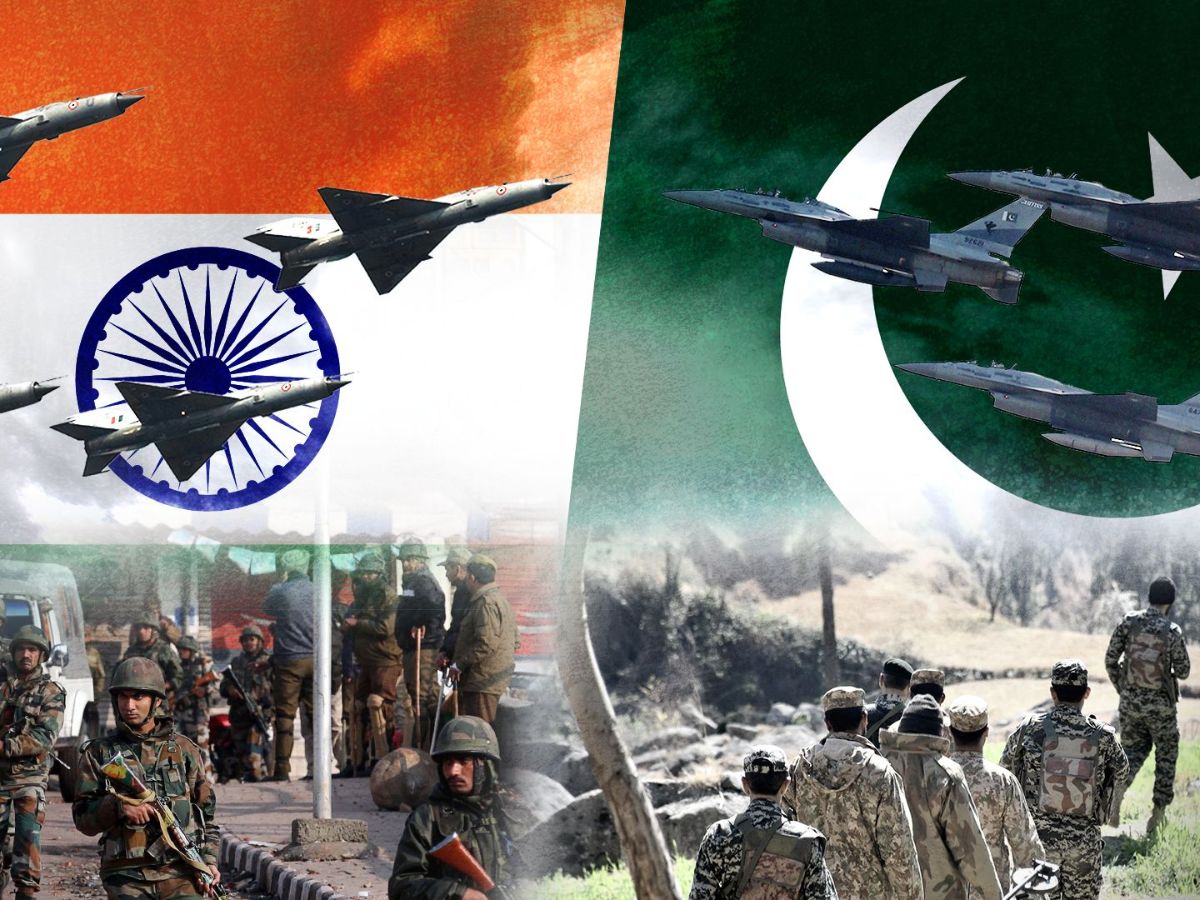
In a recent speech to the Pakistani diaspora in Florida, Pakistan Army Chief Asim Munir made nuclear threats against India, which have raised major questions about the reliability of Pakistan’s nuclear command and control. India’s External Affairs Ministry condemned the remarks, highlighting the country’s ongoing struggle with a military establishment “hand-in-glove with terrorist groups,” and reaffirmed that New Delhi will never succumb to nuclear blackmail.
Munir’s Stark Warning at a Friendly Venue
Munir, recently elevated to the rank of field marshal following the May hostilities with India, reportedly declared that Pakistan’s nuclear arsenal could be deployed to “take down India and half the world” if faced with an existential threat. He also threatened to destroy Indian dams on cross-border rivers, citing the suspension of the Indus Waters Treaty as justification.
External Affairs Ministry spokesperson Randhir Jaiswal described these statements as “regrettable,” particularly given that they were made on American soil, calling nuclear brinkmanship “Pakistan’s stock-in-trade.” He underlined India’s resolve to protect its security without caving in to these dangers.
Pakistan’s Firm Rebuttal and Continued Hostilities
Pakistan’s Foreign Ministry swiftly rejected the Indian criticism as a distortion of facts, insisting Islamabad remains a “responsible nuclear weapon state” under “full civilian control.” He underlined India’s resolve to protect its security without caving in to these dangers.
Experts and officials familiar with the matter suggest Munir’s remarks reflect Pakistan’s longstanding pattern of irresponsible nuclear rhetoric. There are persistent international fears about Pakistan’s military control over nuclear weapons, with worries that materials or expertise could fall into the hands of terrorist groups linked to the state.
One insider highlighted the disconnect between Pakistan’s self-portrayal as a “responsible nuclear actor” and its history of nuclear brinkmanship combined with alleged support for cross-border terrorism. The question now looms: will the US and international community hold Pakistan accountable for provocative statements made on their soil?
Also Read: NIA Collects DNA Samples of Arrested Duo Amid Lashkar-e-Taiba Links In Pahalgam Attack
Military Control and Regional Instability
Amid concerns that the Pakistani military has undue influence over the nation’s democratic institutions, Munir’s trip to the US includes events such as a June White House luncheon sponsored by President Donald Trump and recent engagements with the Pakistani diaspora in Florida. Analysts warn this military dominance fuels nuclear instability in South Asia and raises the specter of a silent coup or direct army rule.
Link to Recent Terror Attacks and Operation Sindoor
The Pahalgam terror attack on April 22, where 26 civilians were killed based on religious identity, occurred shortly after Munir’s inflammatory speech in Islamabad, where he described Jammu and Kashmir as Pakistan’s “jugular vein.” India responded with Operation Sindoor in May—preemptive strikes on terrorist camps in Pakistan and Pakistan-occupied Kashmir, triggering four days of military clashes before a ceasefire.
Munir’s latest nuclear threats and aggressive rhetoric raise troubling questions about future escalations. The international community’s response and continued vigilance remain crucial to ensuring regional peace and preventing the dangerous slide toward nuclear conflict.