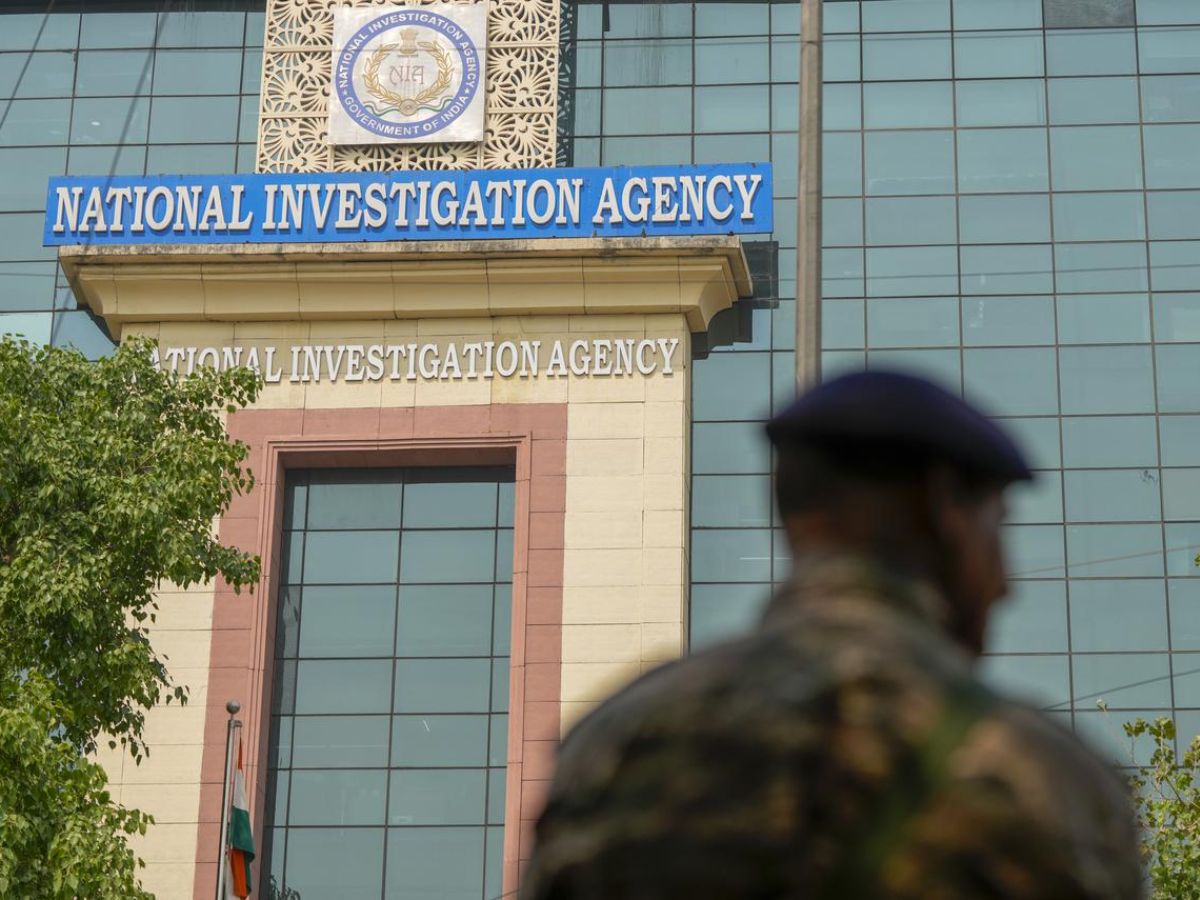
The National Investigation Agency (NIA) has taken blood and hair samples from Pravaiz Ahmad Jothar and Bashir Ahmad Jothar, two men arrested in connection with the April 22 Pahalgam terror attack in Jammu & Kashmir, to determine whether they were more deeply involved than previously believed.
Officials say the DNA will be matched against evidence collected from weapons, clothing, and other materials recovered from the three Pakistani terrorists, identified as Shah, Afghan, and Jibran—who carried out the deadly assault.
The Pahalgam attack left 26 civilians dead, with victims reportedly targeted based on religious identity.
Sheltering the Attackers
Investigators believe the duo provided food, shelter, and logistical support to the assailants, who are confirmed members of Lashkar-e-Taiba (LeT).
“We are trying to ascertain if they had any larger role in the Pahalgam attack other than just providing shelter and food,” said an NIA officer. “The DNA samples could also help link them to other past attacks.”
The NIA has so far questioned 1,055 individuals, including tourists, mule owners, pony handlers, photographers, shop workers, and hotel staff—and recorded more than 3,000 hours of testimony in its ongoing probe.
These devices are expected to reveal LeT handler identities and operational directives from across the border in Pakistan.
The findings could help establish a broader network of logistical and financial support for cross-border terror activities in Jammu and Kashmir.
Owo Church Massacre Trial: Terrorism Charges in Deadly 2022 Attack That Shocked Nigeria
Operation Sindoor: India’s Military Response
Following the Pahalgam attack, India launched Operation Sindoor on May 7. Fighter jets, missiles, armed drones, and artillery duels were among the retaliatory strikes that followed the military activity over the western border. One of the most significant escalations occurred on the night of May 9–10, when the Indian Air Force targeted 13 Pakistani airbases and military installations.
After four days of intense fighting, hostilities were halted on May 10 following a mutual understanding between the two nations.
With DNA testing, forensic analysis, and technical intelligence still underway, the NIA hopes to map out the entire chain of command and support behind the April 22 massacre. The Jothar brothers may be charged with additional crimes under India’s anti-terror laws if evidence links them to earlier acts.
The Pahalgam case remains a key counterterrorism priority, not only for bringing the perpetrators to justice but also for disrupting future Lashkar-e-Taiba plots in the region.