GENEVA: Ukraine and Russia are set to resume peace talks aimed at ending the four-year-long war, following a round of talks in Geneva that ended on February 18, 2026, after only a brief session on the second day. The discussions mediated by the United States and attended by officials from European allies reflected both continued diplomatic engagement and deep disagreements over core issues, with plans for future negotiations but no immediate breakthrough.
The Geneva meetings were part of a renewed U.S.-brokered diplomatic push to seek a negotiated end to the conflict. The first day of talks lasted for several hours and involved discussions on “practical issues” according to delegates, including military logistics and possible frameworks for moving forward, but they failed to bridge fundamental political divergences between Kyiv and Moscow. A follow-up session on February 18 lasted barely 90 minutes before participants broke up, underscoring how difficult the process has been.
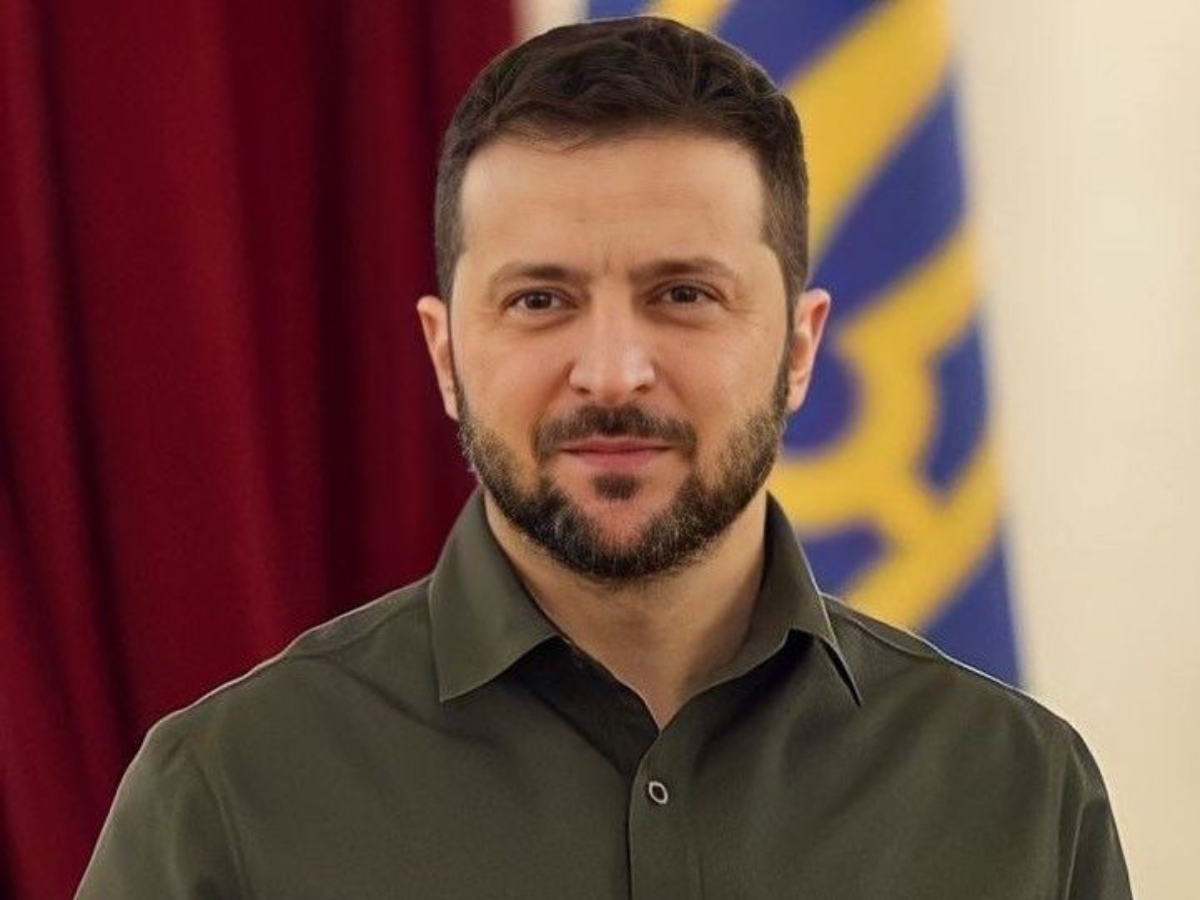
Ukrainian President Volodymyr Zelenskyy characterized the negotiations as “difficult,” accusing Russia of deliberately dragging out the process rather than engaging in meaningful compromise. He said that while the parties agreed to continue discussions and engage with allies present in Geneva, positions remain very far apart on key issues. Moscow’s chief negotiator, Vladimir Medinsky, described the talks as “businesslike” and indicated that future rounds would be held soon, though he did not provide specific dates.
A central sticking point in the negotiations continues to be territorial control—particularly over regions of eastern Ukraine that are currently occupied by Russian forces. Kyiv has made clear that it will not contemplate major territorial concessions, especially in areas such as Donbas, and has likewise rejected any arrangement that would sanction continued Russian control of Ukrainian land. Beyond territory, disagreements remain over security guarantees, disarmament obligations, the presence of foreign forces, and the role of Western alliances—including whether Ukraine should remain aligned with institutions such as NATO.
The talks are taking place against the backdrop of ongoing conflict and shelling. Just before the Geneva sessions began, Russia launched a large-scale assault on Ukraine’s energy infrastructure, deploying dozens of missiles and drones and causing widespread blackouts in multiple regions. Kyiv condemned the attacks as undermining the peace process, accusing Moscow of attempting to strengthen its negotiating position by applying military pressure.
European countries also played a role in Geneva. Delegations from the United Kingdom, Germany, France and other European nations consulted with Ukraine’s team and the U.S. mediators, signaling that Western partners remain deeply invested in finding a diplomatic exit from the war—even as they maintain sanctions and military aid to Ukraine. Some analysts argue that Europe’s direct involvement is essential for any lasting agreement, given the conflict’s broader implications for regional security and NATO relations.