
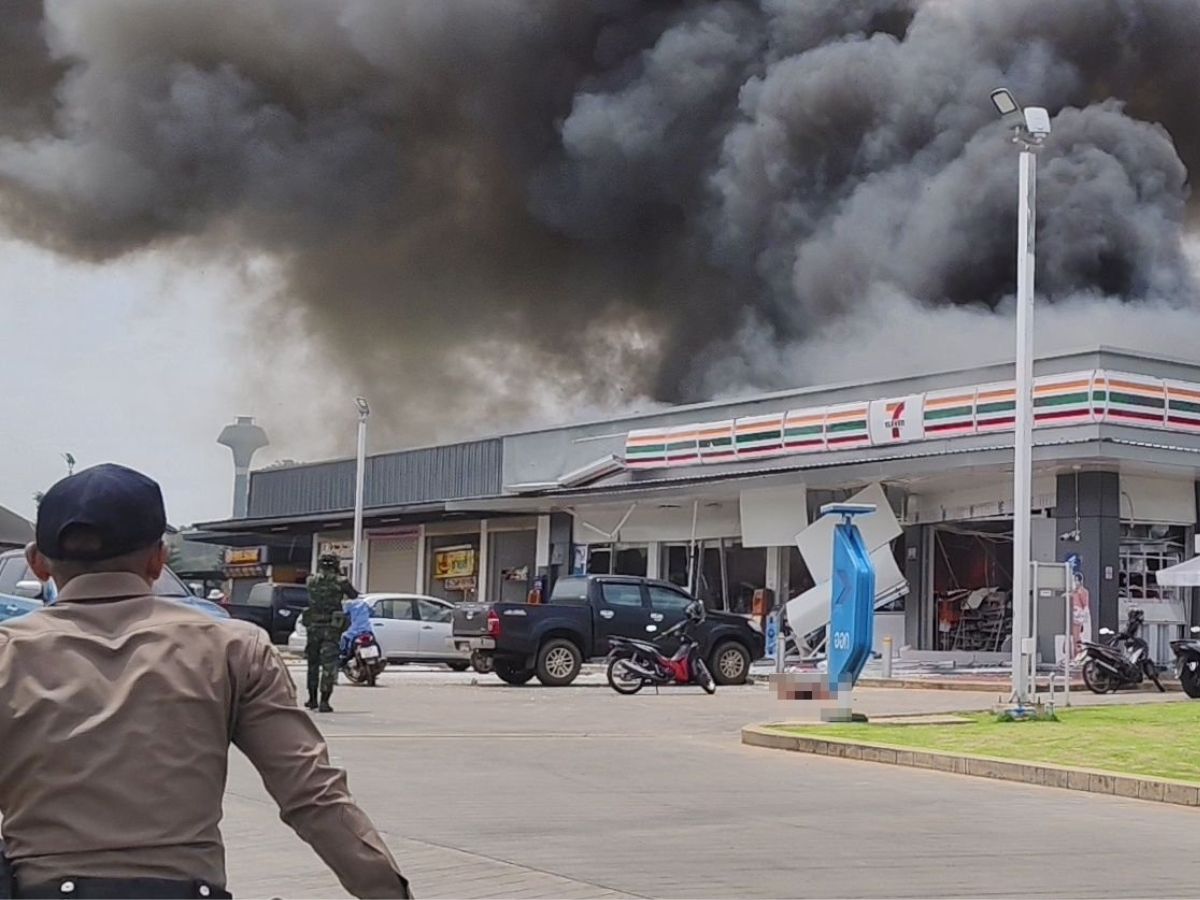
Border disputes remain one of the most persistent triggers of armed conflicts around the world. These disputes often escalate due to historical grievances, national pride, and strategic interests. The ongoing Cambodia–Thailand border conflict is one of the most recent example. The disagreement over the Preah Vihear Temple and its surrounding areas illustrates how unresolved historical issues can lead to violence, displacement, and regional instability.
Historical Background
The roots of the Cambodia–Thailand dispute go back to the colonial era. The Franco-Siamese Treaty of 1907 was intended to clearly define borders between French Indochina (now Cambodia) and Siam (now Thailand). However, ambiguities remained, particularly around the Preah Vihear Temple, perched atop the Dangrek Mountains. In 1962, the International Court of Justice (ICJ) ruled that the temple itself belonged to Cambodia, but surrounding lands remained contested, leaving a persistent source of tension between the two countries.
Recent Escalations
Tensions reignited in 2025, when a Cambodian soldier was killed by Thai forces in the disputed territory. This triggered a series of retaliatory incidents, including landmine explosions and military skirmishes, leading to a tragic human toll. By July 2025, at least 35 people had died, and over 140,000 civilians were displaced due to the fighting. These clashes underscore how quickly border disputes can spiral into armed confrontations, even in the modern era.
Also Read: What is the full form of SCO? How Regional Blocs Like SCO Shape Global Power Balance
Strategic and Nationalistic Factors
Beyond historical claims, the disputed regions hold economic and strategic importance. The area is rich in natural resources, and control over it provides military and economic advantages. Both Cambodian and Thai governments have used the conflict to stoke nationalistic sentiment, rallying domestic support. High-profile political figures, including Cambodia’s former leader Hun Sen and Thailand’s ex-Prime Minister Thaksin Shinawatra, have further politicized the issue, making compromise more difficult.
International Implications
The Cambodia–Thailand conflict has implications beyond the bilateral level. It tests the effectiveness of international institutions such as the ICJ and ASEAN in mediating territorial disputes. The lack of a binding resolution mechanism encourages unilateral military actions, undermining regional stability and setting a concerning precedent for other unresolved border conflicts in Southeast Asia and beyond.
Recent Developments
As of late 2025, there have been renewed diplomatic talks, though tensions remain high. ASEAN has called for calm and emphasized peaceful negotiation, while both nations continue to fortify positions near the disputed areas. Observers warn that without sustained international mediation and political compromise, the situation could reignite into further clashes, threatening long-term regional security.
The Cambodia, Thailand border dispute highlights how historical legacies, strategic interests, and nationalistic fervor can transform territorial disagreements into full-scale conflicts. Effective international mediation, combined with a genuine commitment to dialogue, is essential to prevent similar disputes from escalating into prolonged violence. Until then, the Preah Vihear conflict remains a stark reminder of how unresolved borders continue to fuel wars around the globe.
Also Read: The Rise of Multipolarity: What Xi and Putin’s Call for New Global Governance System Really Means