
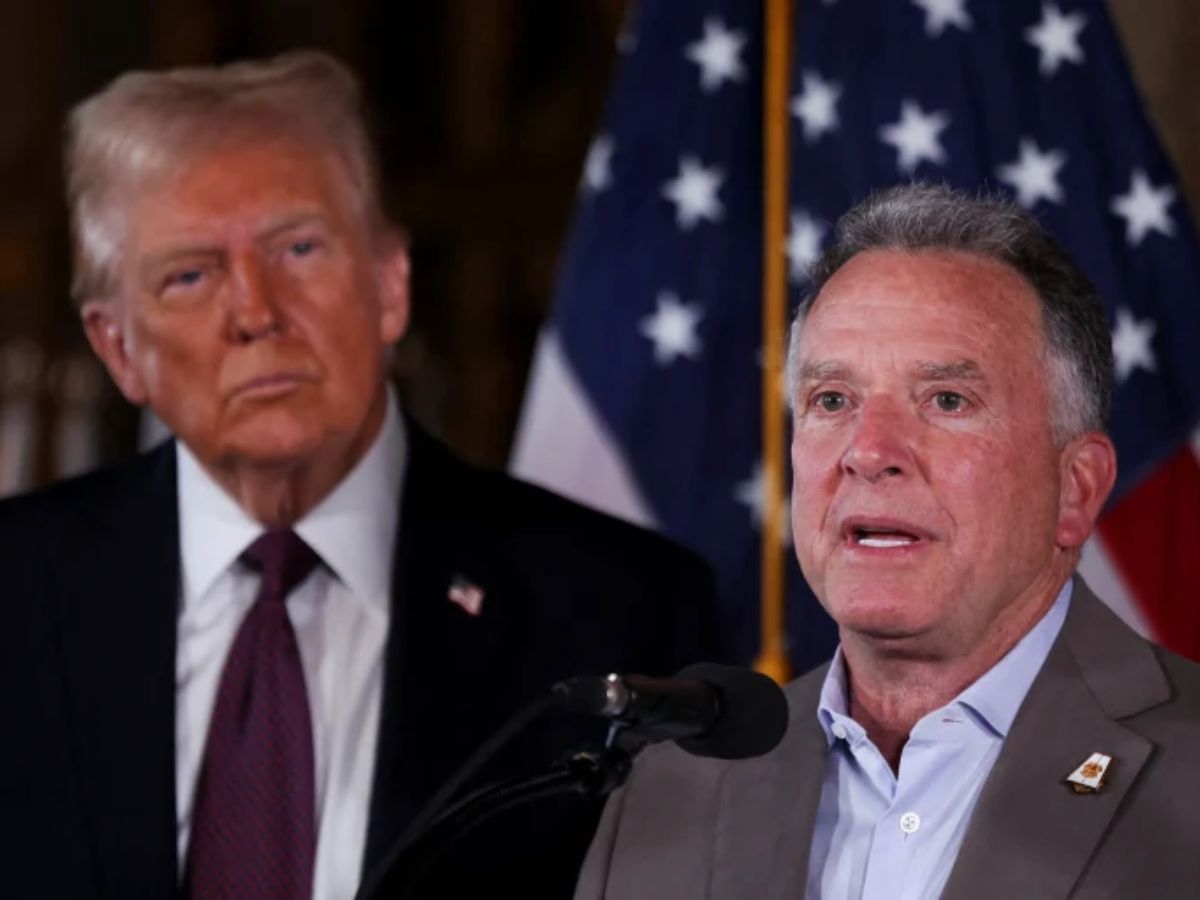
A leaked phone conversation has revealed the unconventional diplomatic methods of US presidential envoy Steve Witkoff. The architect of the Gaza peace deal was recorded directly advising a top aide to Vladimir Putin on how to approach Donald Trump to initiate a Ukraine ceasefire. The recording provides a rare glimpse into the private channels and strategic flattery being used to shape a potential end to the war.
Who is Steve Witkoff?
Steve Witkoff, credited by the White House for his role in the Gaza agreement, is now focusing on Ukraine. In a five-minute call on October 14 with Yuri Ushakov, Putin’s senior foreign policy adviser, Witkoff suggested replicating the Gaza model. “We put a 20-point Trump plan together… and I’m thinking maybe we do the same thing with you,” he told Ushakov, according to a transcript by Bloomberg. This call appears to be the origin of the 28-point US plan later presented to Kyiv, which Putin has acknowledged could be a basis for resolution. The White House has defended Witkoff, stating his talks with Russian and Ukrainian officials are part of his appointed duty to achieve peace.
Also Read: ‘Whiteness Pandemic’: University Project Urging White Parents to ‘Re-educate’ Kids Sparks Row
How Did Witkoff Advise Russia to Handle Trump?
The timing of the call was critical, coming just before Ukrainian President Zelenskiy’s visit to Washington. Witkoff urgently advised Ushakov to have Putin call Trump before that meeting. But what was his specific advice for the Russian leader? Witkoff coached Ushakov on how Putin should flatter the US President. He suggested Putin should congratulate Trump on the Gaza deal and explicitly call him “a real peace man.” Ushakov appeared receptive, agreeing that Putin “will congratulate” Trump and use that exact phrasing. This reveals a diplomatic strategy built on personal praise and direct leader-to-leader communication.
What Was the Immediate Outcome of This Outreach?
The coaching worked. Just two days after the Witkoff-Ushakov call, Moscow requested and held a call with Trump. The US President described it as “very productive” and later announced a planned summit in Budapest. Crucially, Trump noted that Putin had indeed praised the Gaza deal, following the script suggested by Witkoff. This effective contact paved the way for more meetings—one of them in Miami between Witkoff and Kremlin adviser Kirill Dmitriev—solidifying the backchannel relationship.
Also Read: Key NCR Link Set to Be Ready in 4 Months, Easing Travel to Jewar Airport
What Does the US Peace Plan for Ukraine Involve?
The plan drafted with Russian input has placed significant pressure on Ukraine. What would it require Kyiv to do? The initial US proposal, as revealed in the reports, required Ukraine to withdraw from parts of the eastern Donbas, creating a demilitarized buffer zone that would be internationally recognized as Russian. It would also grant de facto recognition of Russia’s claims over Crimea, Donetsk, and Luhansk. During his call with Ushakov, Witkoff displayed a firm, deal-making attitude, stating, “Me to you, I know what it’s going to take to get a peace deal done… Donetsk and maybe a land swap somewhere.” He confidently added that Trump would give him “a lot of space and discretion to get to the deal.”