
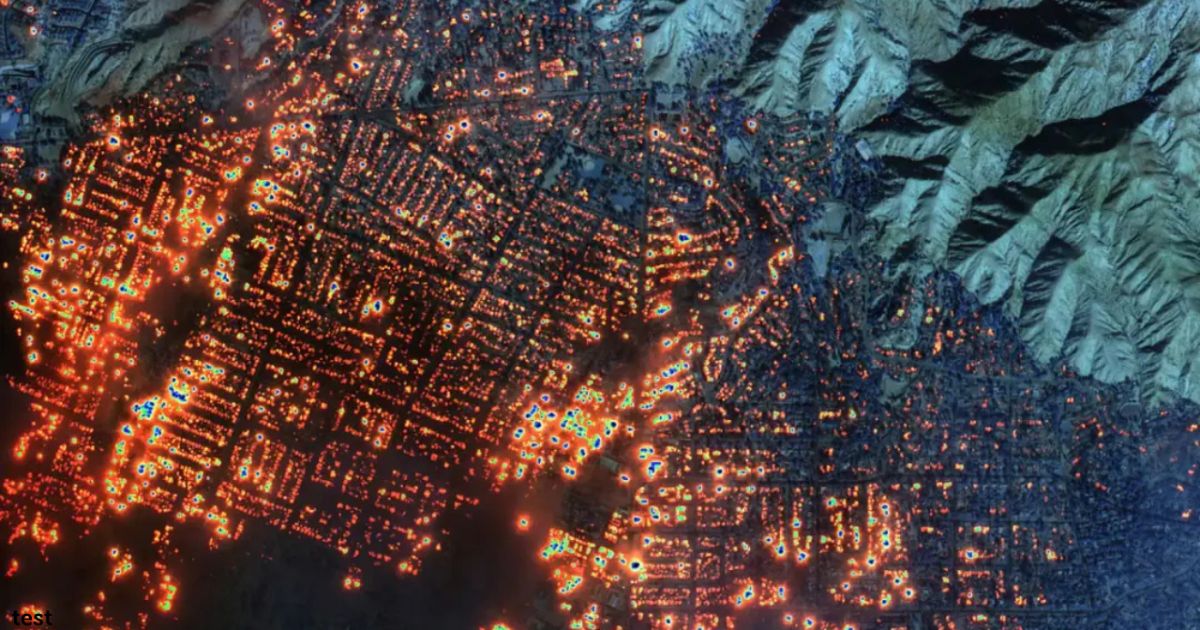
Around the world, nations are fighting blazes that appear to spread more quickly and intensely with each successive month. At over 100 million hectares torched worldwide by mid-year 2025, this fire season is likely to be one of the most extreme the world has ever experienced. And it’s not just dry wood and thoughtless embers it’s a planet warming up, altering the nature of fire.
Here’s a straightforward glance at what’s on fire, why it’s occurring, and how 2025 is shaping up to be a record-breaking year for worldwide wildfires.
What’s Behind All This?
Wildfires have been around but the frequency, intensity, and spread have turned a deadly corner. This year, record heatwaves, extended droughts, and human error have seen perfect fuel conditions worldwide. Scientists attribute a longer fire season due to climate change coupled with irresponsible forest management, unintentional ignitions, and even intentional burning that went awry.
And it’s not only forest fires. Fires now threaten whole communities, farmland, ancient monuments, and public health with smoke blowing across nations and continents.
Wildfire Timeline: How 2025 Went Up in Smoke
Here are some of the biggest wildfires that have blackened the globe this year:
• January – California, USA
The Eaton Fire raged across Southern California, scorching almost 14,000 acres, leveling more than 9,000 buildings, and claiming 18 lives. It’s been designated the deadliest American tragedy of 2025 to date.
The destruction? An astonishing $27 billion.
• January to February – South America
In Chile and Argentina, more than 6 million hectares of land burned. Argentina’s Lanin National Park lost 23,800 hectares alone. The fires forced rural communities to flee and put firefighting crews under tension.
• March to May – South Korea’s Historic Fire Season
Over 347 blazes blackened 104,800 hectares of the Korean Peninsula. Small fires during grave-cleaning season became fatal firestorms. Thirty-two individuals, including rescuers, were killed, and over 37,000 residents had to be relocated.
• April to Ongoing – Russia’s Arctic Frontier
Siberia and Russia’s Far East experienced more severe fires earlier than usual. The blaze spread over more than 629,000 hectares that even reached the Arctic Circle. Officials have held illegal grass burning and extremely dry spring weather as the primary cause.
• June – Turkey and the Mediterranean
In Turkey’s İzmir Province, over 50,000 individuals had to flee as wildfires burned through residential and agricultural land. The same was observed in Greece, Cyprus, Bulgaria, and Albania. Unprecedented heat waves (reaching 45–50°C) and scorching hot winds rendered firefighting almost impossible.
• July – Spain and Portugal
Inland Spain and northern Portugal experienced huge fires along Avila, Caceres, and Arouca. Emergency personnel worked day and night while temperatures remained over 40°C for days. Thousands of residents were forced to evacuate temporarily.
• July 2 onwards – California, Once Again
The Madre Fire, begun in San Luis Obispo County, soon grew to be the largest fire in California in 2025, posing a threat to more than 50 buildings. The Dragon Bravo and White Sage fires ravaged areas of the Grand Canyon region, including some old lodges and trails, in Arizona.
The Smoke That Travels
One of the most frightening aspects of these fires isn’t the fire it’s the smoke. In Canada, sustained boreal wildfires pushed thick clouds of smoke across the border into the US, prompting air quality warnings in cities such as New York and Chicago.
And Siberian and Arctic fire smoke? It’s been thousands of kilometers, reaching even into parts of Europe. It contains fine particles (PM2.5) that exacerbate asthma, heart disease, and other health hazards.
A Bigger Problem Than Just Fire
Though it’s easy to imagine wildfires as a regional issue, this year’s numbers paint another picture. In 2025 alone, fires have emitted hundreds of millions of metric tons of CO₂, making forests which are usually carbon sinks carbon sources instead. This creates more warming, more drought, and more fires:- a vicious feedback loop scientists now refer to as the “Pyrocene” the age of fire.
The Human Cost
Behind every hectare that burned are families displaced, homes lost, and emotional distress. For British expats Lucy and Ben Armstrong in Cyprus, their home was lost moments before fire engulfed their village. In Korea, a fire captain perished attempting to guide his crew out of burning forest.
These are not weather stories they’re people stories.
What’s Next?
Alas, wildfire season is not yet done. Indeed, in the US, Mediterranean, and Southeast Asia, peak months for fires are yet to come. Emergency responders are already stretched thin. Governments are scrambling to get additional water-bombing planes and spend money on forest stewardship.
But others argue that it won’t be enough until they tackle the larger problem: a planet that’s warming and drying.