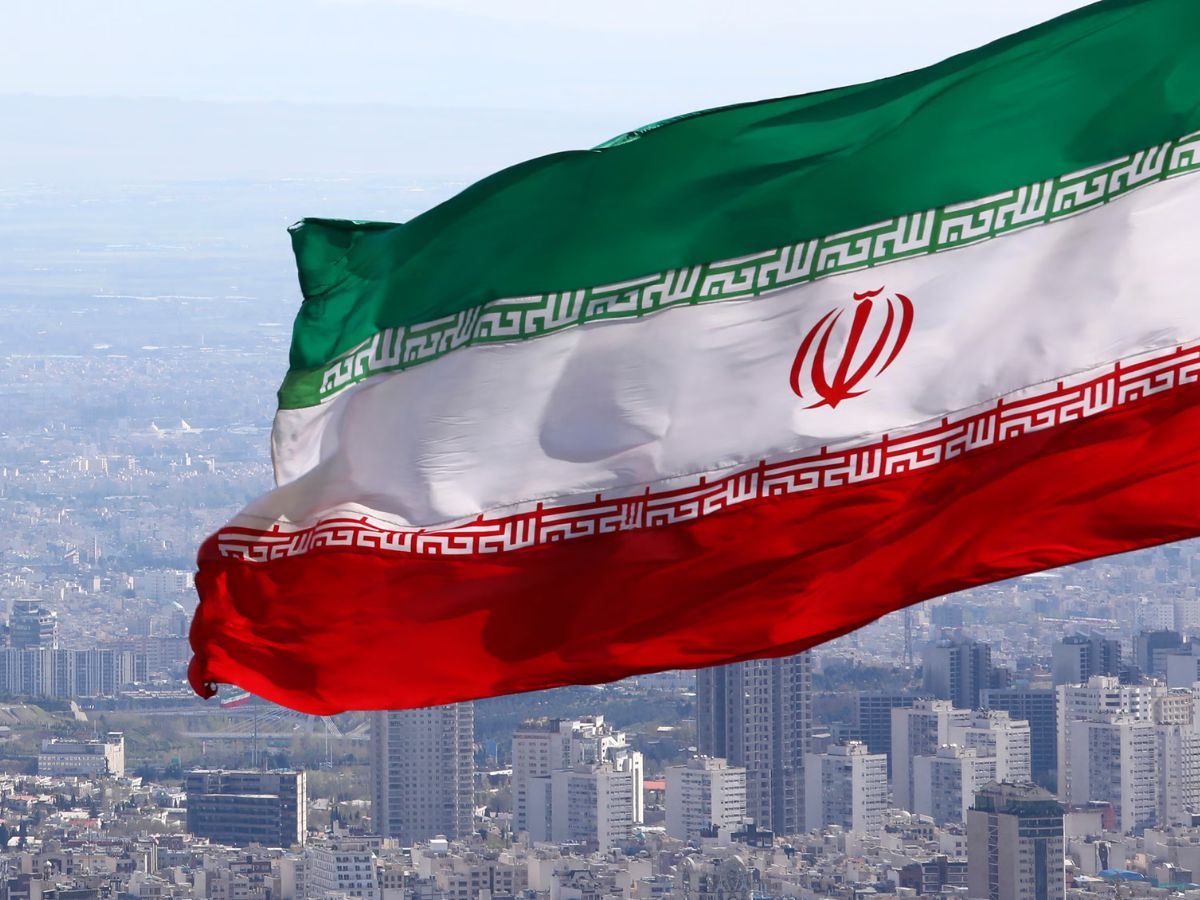
United Nations economic and military sanctions have been reimposed on Iran, a decade after they were lifted under the landmark Joint Comprehensive Plan of Action (JCPOA). The move comes after the UK, France, and Germany the European signatories of the deal activated the “snapback” mechanism, citing Iran’s continued nuclear escalation and lack of cooperation with international regulators. “We urge Iran to refrain from any escalatory action. The reimposition of UN sanctions is not the end of diplomacy,” said the three countries in a joint statement. Iran’s President Masoud Pezeshkian has reiterated that Tehran has no intention of developing nuclear weapons, though tensions have intensified following the US withdrawal from the JCPOA in 2016.
Timeline of Key Events
-
2015: Iran signs the JCPOA, agreeing to curb its nuclear programme in exchange for relief from UN sanctions.
-
2016: The United States exits the deal under President Donald Trump, calling it flawed.
-
2016–2025: Iran gradually resumes some previously restricted nuclear activities.
-
September 2025: Talks between Iran and the European partners at the UN General Assembly fail to prevent the reimposition of sanctions.
-
Early September 2025: The E3 countries officially trigger the snapback mechanism, reinstating all UN sanctions on Iran.
What the Sanctions Cover
The renewed sanctions include economic and military restrictions that were previously lifted under the JCPOA. They aim to curb Iran’s nuclear activities and ensure compliance with international regulations. The European countries stressed that the measures are not intended to end diplomacy and called for continued dialogue. “Given that Iran repeatedly breached these commitments, the E3 had no choice but to trigger the snapback procedure, at the end of which those resolutions were brought back into force,” the E3 foreign ministers said.
Iran’s Nuclear Activity and IAEA Access
Iran’s nuclear programme has become a central point of international concern:
-
Iran had suspended IAEA inspections following Israeli and US attacks on its nuclear sites in June 2025.
-
Under the nuclear Non-Proliferation Treaty (NPT), Iran is legally obliged to allow inspections of its nuclear facilities. The IAEA confirmed last Friday that inspections have resumed.
-
Despite ongoing talks with the IAEA, Iran has warned that a return of sanctions could jeopardize progress on inspections.
Iran’s Response and Diplomatic Measures
President Pezeshkian stressed that Iran had no intention of developing nuclear weapons but needed assurances that its nuclear facilities would not be attacked by Israel before resuming normal enrichment activities. He also rejected the US proposal to hand over all of Iran’s enriched uranium in exchange for a temporary sanctions exemption, questioning why the country should place itself in such a precarious position each month. Additionally, Iran announced that it was recalling its ambassadors to the UK, France, and Germany for consultations following the reimposition of sanctions.
International Context
The reimposition of UN sanctions marks a major escalation in international diplomacy. It highlights ongoing tensions between Iran and the international community over nuclear compliance, particularly following the US withdrawal from the JCPOA. The snapback mechanism demonstrates that, even years after lifting sanctions, the UN framework allows countries to restore restrictions if obligations are not met.
Also Read: Why the Karur Stampede Occurred and What Led to a Judicial Probe at Vijay’s Rally