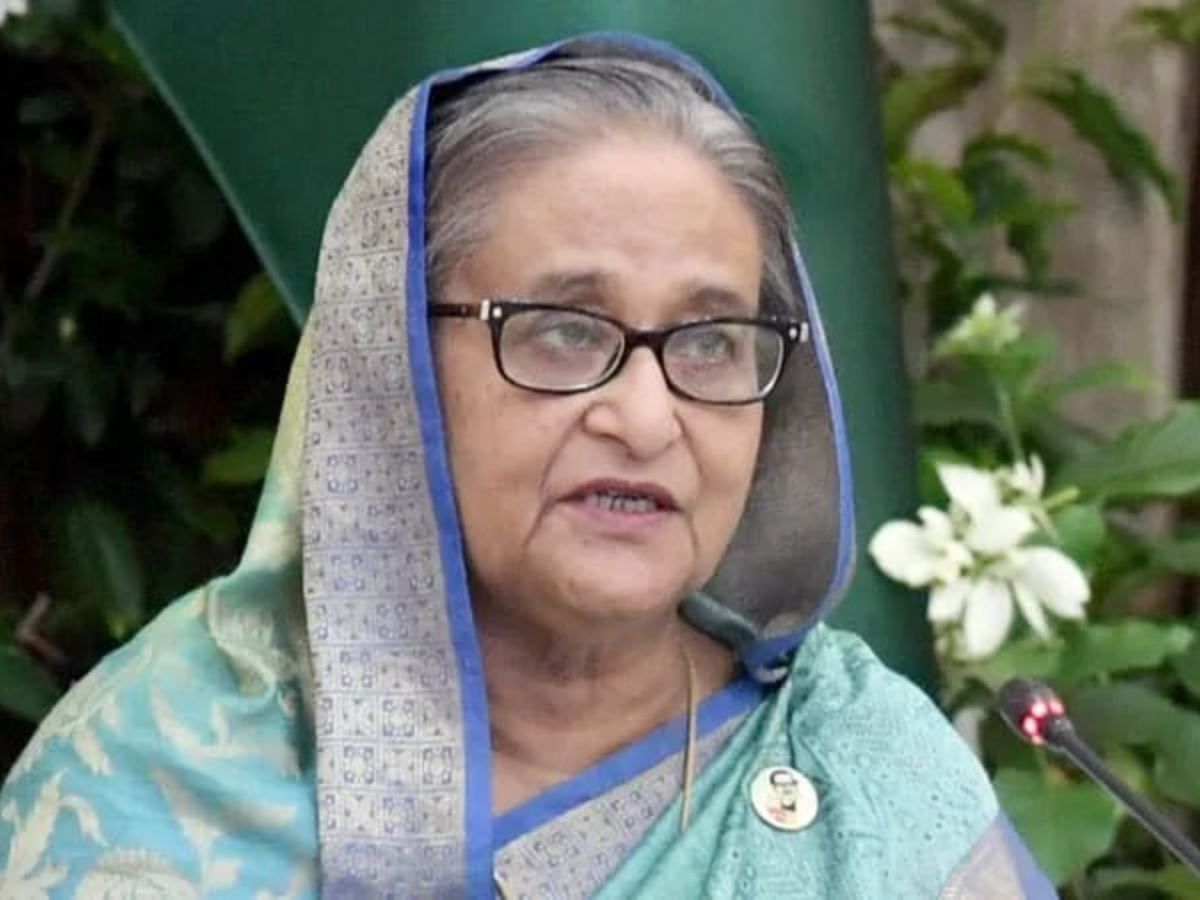
The United Nations has described the verdict against Bangladesh’s former Prime Minister Sheikh Hasina issued on charges of crimes against humanity as a significant step for victims of last year’s violence. However, the UN has also expressed deep regret over the use of the death penalty in the judgment.
UN Secretary-General António Guterres “fully” supports the stance of UN High Commissioner for Human Rights Volker Türk, who reiterated that “we stand against the use of the death penalty in all circumstances,” according to UN spokesperson Stéphane Dujarric at Monday’s press briefing. Dujarric made these remarks after being asked about the Secretary-General’s response to the Bangladeshi court’s decision to sentence Hasina to death in absentia.
What the Tribunal Found
On Monday, Bangladesh’s International Crimes Tribunal declared Sheikh Hasina guilty of crimes against humanity linked to the widespread anti-government protests in July last year. Hasina, now 78, has been living in India since her government was overthrown on August 5, 2024.
She was tried and sentenced to death without being present in court. Her former Home Minister, Asaduzzaman Khan Kamal, was also sentenced to death on the same charges.
UN Emphasises Accountability, But Rejects Capital Punishment
Dujarric pointed to a detailed statement from Türk’s office, noting that UN human rights officials have been “calling diligently for perpetrators, including individuals in positions of command and leadership, to be held accountable.”
He stressed that accountability is essential but urged Bangladeshis to stay calm after the verdict, “It is, of course, very important that people remain calm in Bangladesh… and for all to exercise restraint in response to these developments.”
UN Human Rights Office Reacts: ‘Important Moment for Victims’
Ravina Shamdasani, spokesperson for the UN Human Rights Office in Geneva, said the judgment marks “an important moment for victims of the grave violations committed during the suppression of protests last year.”
However, she reiterated the UN’s opposition to capital punishment, “We also regret the imposition of the death penalty, which we oppose in all circumstances.”
Shamdasani recalled that since the UN fact-finding report released in February, they have been calling for all responsible individuals including senior leaders to be held accountable based on international legal standards, and for victims to receive proper justice and reparations.
UN Report: Up to 1,400 Killed During Crackdown
According to the UN rights office report, an estimated 1,400 people were killed between July 15 and August 15 during the massive student-led protests. The Hasina government had ordered a major crackdown, resulting in widespread violence and heavy casualties.
Shamdasani explained that the UN was not involved in observing Hasina’s trial but stressed the importance of fair and transparent legal processes, especially in cases involving international crimes. This becomes even more crucial, she said, when trials are held in absentia and lead to a death sentence.
UN Calls for Truth, Justice, and Reform in Bangladesh
Reinforcing Türk’s appeal for calm, Shamdasani expressed hope that Bangladesh would adopt a broad plan for truth-telling, justice, and reparations to help the country heal. She also emphasised the need for major reforms in the security sector, ensuring it meets international standards so that such abuses are not repeated.
The UN, she added, stands ready to support Bangladesh in its efforts toward reconciliation and long-term peace.
Also Read: Will Sheikh Hasina Be Declared a Fugitive if She Doesn’t Return to Bangladesh?