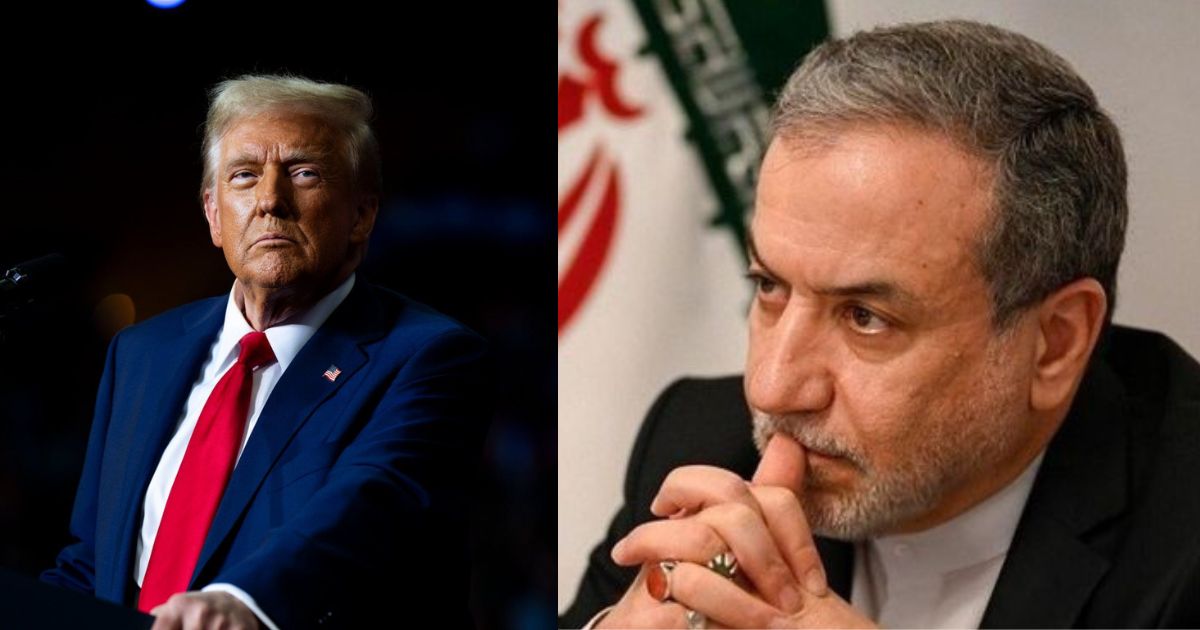
US President Donald Trump on Monday reaffirmed his aggressive stance against Iran, warning that Washington would strike again “if necessary.” In a post on Truth Social, Trump quoted Iran’s Foreign Minister Abbas Araghchi acknowledging the severity of the recent airstrikes, adding, “Of course they are [destroyed], just like I said, and we will do it again, if necessary!”
Iran Acknowledges Blow But Vows to Push Ahead
In a televised interview, Araghchi admitted the extent of damage caused to Iran’s core nuclear facilities—Fordow, Natanz, and Isfahan—but insisted that Iran would not step back. “Yes, the damages are serious and severe. But our enrichment is so dear to us—it is now a question of national pride,” he said. Araghchi added that the Iranian Atomic Energy Organization was currently evaluating the full impact of the strikes.
Inside Operation ‘Midnight Hammer’
Launched on June 22, the US-Israeli operation targeted three high-security nuclear sites. The campaign included 125 US military aircraft, among them seven B-2 Stealth bombers. At least 14 GBU-57 bunker-buster bombs were dropped on the Fordow site, which lies buried beneath a mountain near Tehran. Simultaneously, over two dozen cruise missiles were fired at the Isfahan plant from US submarines stationed nearby.
Aftermath and Regional Repercussions
Following the bombings, Iran and Israel entered a 12-day direct conflict, which came to a halt on June 24 after a ceasefire brokered by the United States and Qatar. While the guns have fallen silent for now, geopolitical observers warn that the peace is fragile. Iran’s defiant tone and the US’s aggressive posturing indicate that tensions could flare again with little warning.
The Red Line in Enrichment Iran Refuses to Cross
Any possibility of a diplomatic solution is still thwarted by Iran’s persistent refusal to end its nuclear enrichment program, which is a major point of contention. Araghchi reaffirmed, “We will never accept an agreement that prohibits us from enrichment,” reaffirming that Iran views its nuclear development as a symbol of sovereignty as much as a technological milestone.