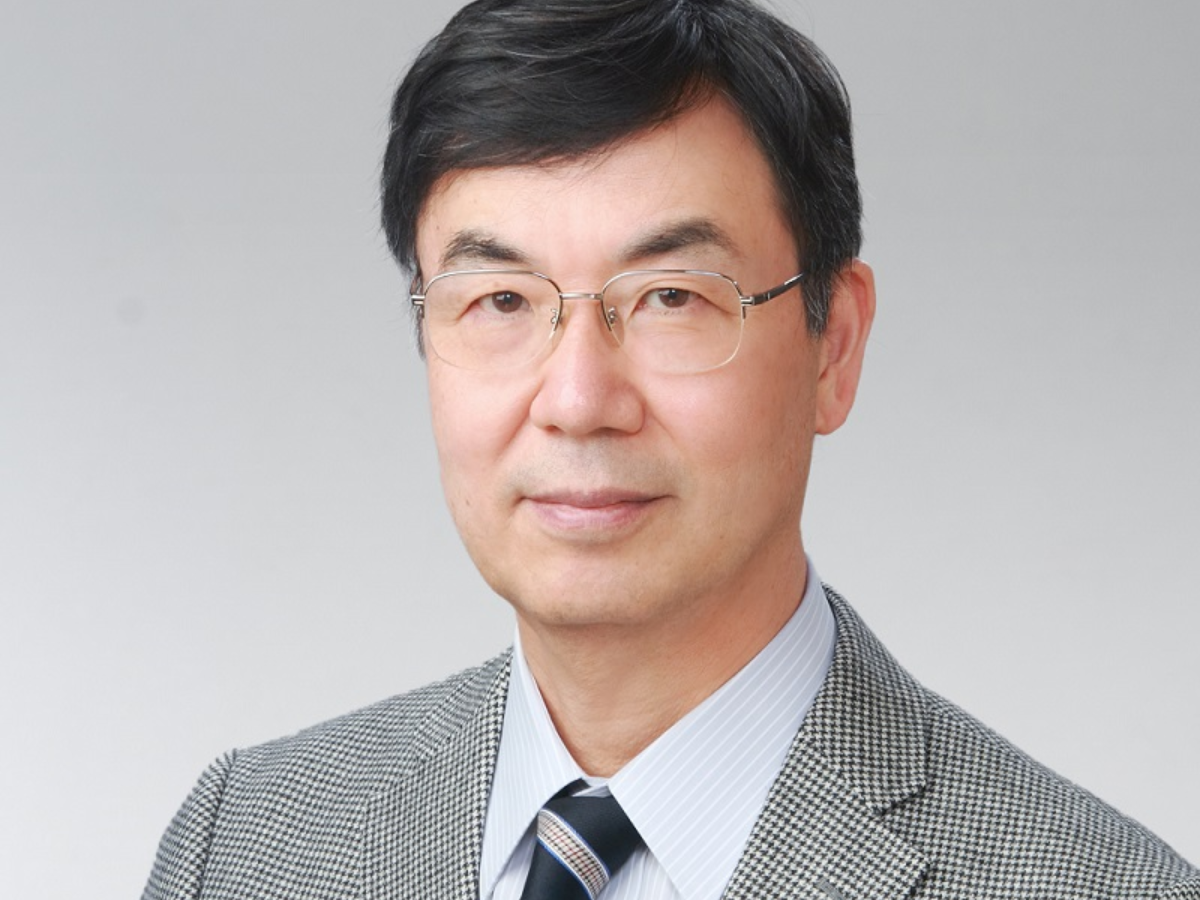
Shimon Sakaguchi is an eminent Japanese immunologist one of the founders of regulatory T-cells, a discovery that changed the face of immune tolerance which is bringing to the fore how the immune system protects itself from attack generating avenues in therapeutics for autoimmune diseases, cancer and transplant medicine.
“I believe this will encourage immunologists and physicians to apply T regulatory cells to treat various immunological diseases.”
This year’s Nobel Prize laureate, Shimon Sakaguchi, discovered a new class of T cells that protect the body from autoimmune diseases.
Just after the… pic.twitter.com/hqA6an6t0a
— The Nobel Prize (@NobelPrize) October 6, 2025
Who is Shimon Sakaguchi?
Shimon Sakaguchi is a native of Nagahama, Japan, was created in 1951 and is hailed as the father of regulatory T cells discovery which he made in 1995, revealed to immunology that the immune system possessed a special capability for suppressing autoimmunity even though his research may have relied in part on certain immunological models known until that time concerning central tolerance within the thymus.
Sakaguchi is serving as a Distinguished Professor in the Immunology Frontier Research Center at Osaka University and he continues to be one of the most cited and influential immunologists in the world.
ALSO READ: Who is Mary Brunkow: 2025 Nobel Winner Pioneering Peace in the Immune System
Shimon Sakaguchi: Education
Sakaguchi completed both his Medical Degree in 1976 and his Ph.D. in 1982 at Kyoto University and he became a Lucille P. Markey Scholar for postdoctoral work at Johns Hopkins University and Stanford University. This broad global experience has directly influenced his bold scientific inquiries into immune regulation.
Shimon Sakaguchi: Career
Sakaguchi pursued his interest in the field of research in Japan before soon venturing into the USA, where he spent some time at the Scripps Research Institute. In 1991, he returned to Japan and became a head of both immunopathology and regenerative medicines in specific departments. His positions at Kyoto University and later at Osaka University much more maximized his drive to lead immunological breakthroughs.
The greatest moment of his life happened in 1995, when he defined regulatory T cells and clarified their immune suppressive function in immune responses. The conceptual groundwork was laid for what Brunkow and Ramsdell later solidified at a genetic level with FOXP3.
ALSO READ: Meet Brady Quinn: Former NFL QB Replaces Mark Sanchez at FOX Sports | Net Worth & Family
Shimon Sakaguchi: Awards & Achievements
Sakaguchi has Achieved a number of awards that are considered prestigious in the world of science and medicine like William B. Coley Award, Gairdner International Award, Paul Ehrlich & Ludwig Darmstaedter Prize and Robert Koch Prize. His contributions are recognized by Japan’s Order of Culure in 2019 and in 2025 he was awarded with a Nobel Prize in Physiology or Medicine and solidifying his position as a former pioneer of immune regulation.
Legacy Transforming Medicine Through Tolerance
The work done by Brunkow, Ramsdell and Sakaguchi has transformed understanding of how self and non-self are defined by the immune system. Their discoveries related to T regulatory cells and FOXP3, which have opened new avenues for treating conditions such as multiple sclerosis, lupus and type 1 diabetes have increased the possibilities in organ transplantation and cancer immunotherapy.
Disclaimer: This article is based on publicly available information and Nobel Prize sources and is intended for informational purposes only.