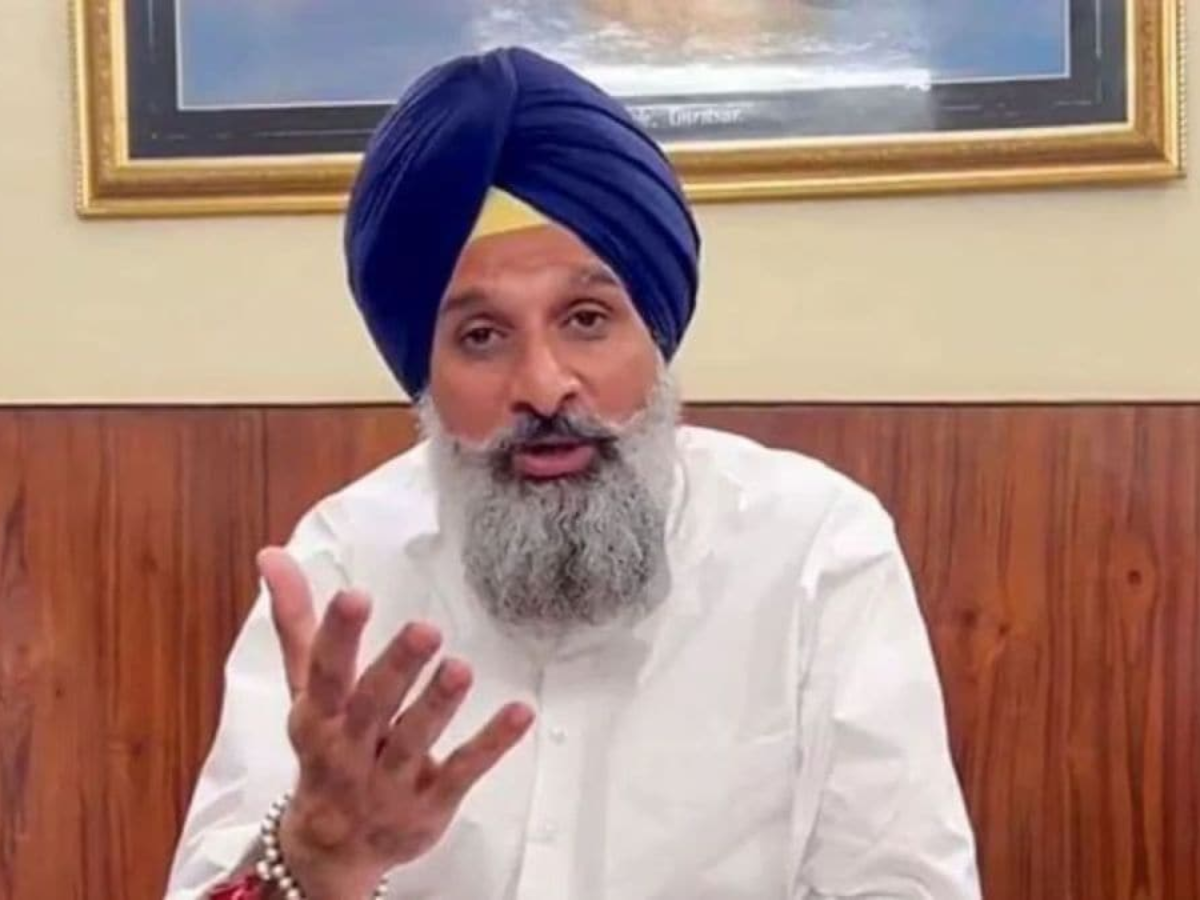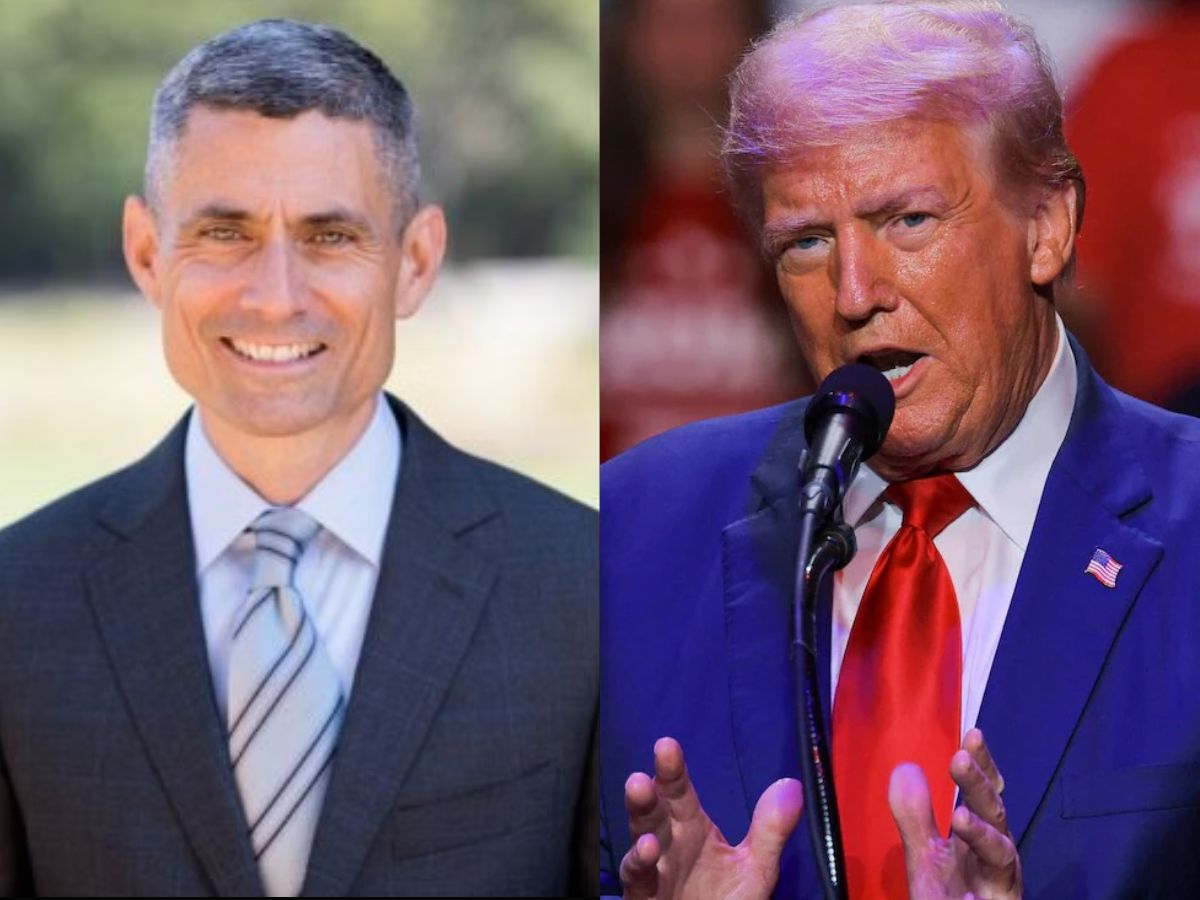
Indian-origin academic S. Paul Kapur has been confirmed by the US Senate as Assistant Secretary of State for South and Central Asian Affairs, replacing Donald Lu. His confirmation came through on October 7, even amid the ongoing US government shutdown.
The White House posted on X, “Paul Kapur, of California, as Assistant Secretary of State for South Asian Affairs.” He was among 107 nominees approved that day. He will now shape US diplomatic policy toward key nations, including India, Pakistan, Bangladesh, Afghanistan, and the Central Asian republics.
Who is Paul Kapur?
S. Paul Kapur is an Indian-origin scholar, author, and policy expert known for his deep insight into South Asian security and nuclear strategy. He is a professor at the US Naval Postgraduate School and a visiting fellow at Stanford University’s Hoover Institution.
Paul Kapur is well known for his research on Indo-Pacific geopolitics, nuclear deterrence, and US-India relations. During the earlier Trump administration, he served on the State Department’s Policy Planning Staff, where he helped shape US strategy in the Indo-Pacific region.
Paul Kapur’s Age & Education
Kapur is in his early 50s. He was born in New Delhi, India, to an Indian father and an American mother. His father hailed from Delhi, and his mother was from the United States. Though he spent his childhood in the US, he has often spoken about his connection to India, saying he “never imagined that my career would someday return me to the place where I was born.”
He earned his bachelor’s degree from Amherst College and a PhD in Political Science from the University of Chicago.
Paul Kapur’s Academic & Policy Career
Before joining government service, Kapur taught at Claremont McKenna College and Stanford University. He currently teaches national security affairs at the Naval Postgraduate School.
As a researcher, he has written extensively on nuclear deterrence, Islamist militancy, and South Asian security. His books include:
- Jihad as Grand Strategy: Islamist Militancy, National Security, and the Pakistani State
- Dangerous Deterrent: Nuclear Weapons Proliferation and Conflict in South Asia
- India, Pakistan, and the Bomb: Debating Nuclear Stability in South Asia
- He also co-edited The Challenges of Nuclear Security: US and Indian Perspectives (2024).
Views on Pakistan & Regional Strategy
Paul Kapur’s writings argue that Pakistan’s use of jihadist groups is a deliberate state policy, not a side effect of instability. This perspective signals a potential shift toward a tougher US stance on Islamabad under his leadership.
In Senate testimony, Paul Kapur stated that he would engage with Pakistan “where beneficial to US interests” and emphasised the importance of closer cooperation with India to promote a free and open Indo-Pacific.
A Broader Mission Ahead
Parul Kapur’s appointment comes at a crucial time for US foreign policy. With the growing influence of China and Russia in South and Central Asia, he is expected to balance security priorities with economic and strategic engagement.
His mix of academic insight and policy experience could help steer US diplomacy toward stronger regional partnerships, deeper energy and trade links, and more assertive engagement with India.