
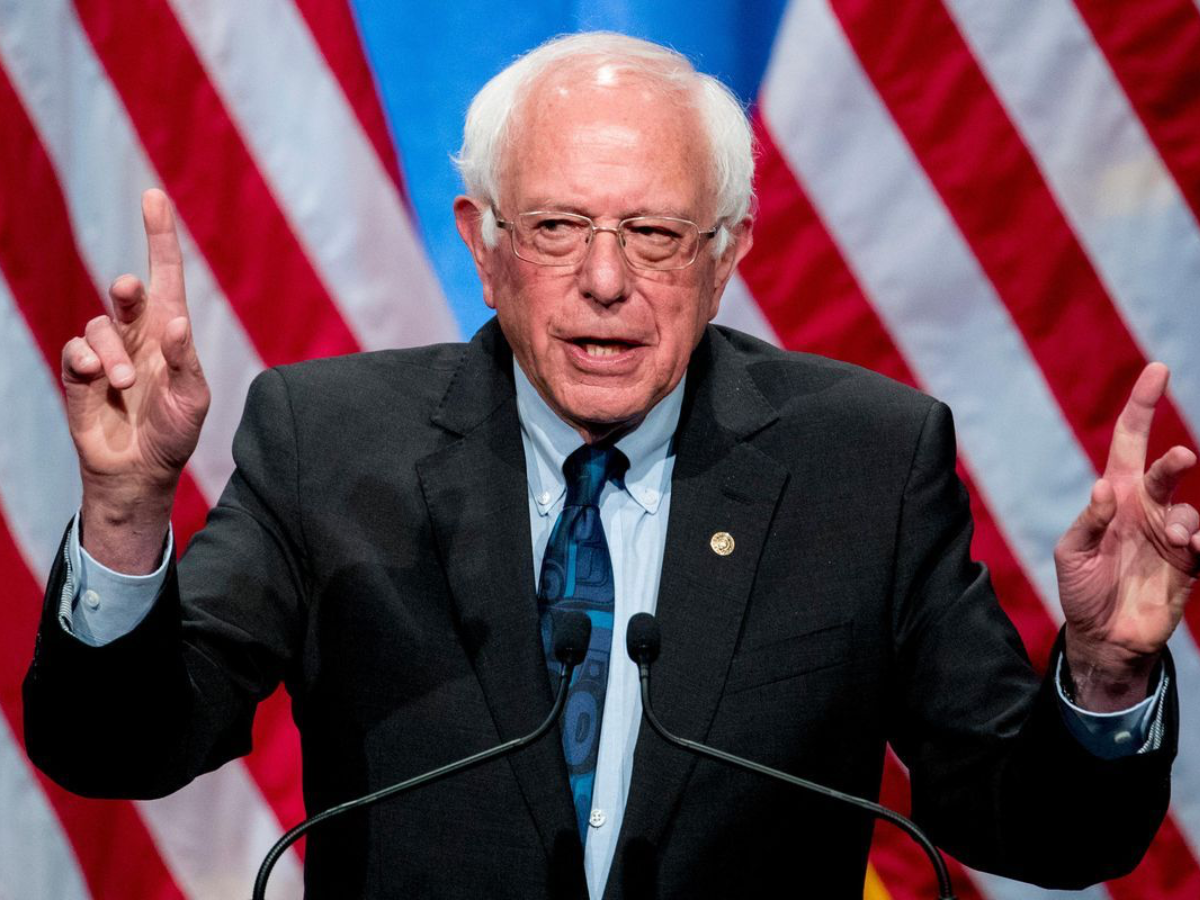
Bernie Sanders has spent over half a century shaping political debate in the United States. From his early days as a civil-rights activist to his role as the most influential progressive in modern politics, Sanders has remained rooted in a worldview centered on fairness, economic dignity and democratic participation.
His story embodies personal struggle, ideological clarity and institutional impact in a way few contemporary politicians can match.
Who is Bernie Sanders?
Bernard “Bernie” Sanders is the senior U.S. senator from Vermont and the longest-serving independent in congressional history. Though he is formally unaffiliated, Sanders teams with Democrats on legislation and is widely regarded as the catalyst for America’s progressive resurgence.
Bernie Sanders Age
Born on September 8, 1941, Sanders is in his early eighties and remains one of the most active and outspoken figures in national politics.
Bernie Sanders Education
Sanders attended Brooklyn College, then finished at the University of Chicago, graduating with a degree in political science. His college years shaped his worldview far more through activism than academics.
Bernie Sanders Wife
Sanders is married to Jane O’Meara Sanders, a long-time educator, former college president and they were married in 1988, when he was serving as mayor of Burlington.
Bernie Sanders Family
He has one biological son, Levi Sanders and considers his wife’s three children his own. His brother, Larry Sanders, lives in the United Kingdom and has been active in the Green Party there.
Bernie Sanders Career
Before he entered politics, Sanders had worked as a carpenter, a writer and a filmmaker. These early years helped anchor his understanding of working-class economic pressures.
Bernie Sanders Political Life
He started his political career with long-shot campaigns in the 1970s. He first picked up momentum in 1981, when he was victorious as an independent in the Burlington mayoral race. What followed was a steady climb from local politics into the U.S. House and onto the Senate.
Bernie Sanders: Vermont’s Independent Spirit
Sanders arrived in Vermont in the late 1960s, attracted by that state’s tradition of independence. That culture helped him build a political identity standing apart from both national parties.
Bernie Sanders: Congressional Pioneer
First elected to Congress in 1990, Sanders became a founding member of the Congressional Progressive Caucus and later the first independent in over a century to win a Senate seat from Vermont’s Class 1. His tenure includes key chairmanships and years of legislative influence.
Bernie Sanders Campaigns
His 2016 and 2020 presidential runs altered the face of U.S. politics. Powered by small dollar donors, his campaigns introduced a new model of grassroots fundraising and pushed previously marginal ideas into the Democratic mainstream.
Bernie Sanders Net Worth
He has amassed a net worth of approximately $2.5 million to $3 million, derived primarily from his book sales in the last decade.
How many houses does Bernie Sanders own?
Sanders has two properties as a primary home in Burlington and a lakefront summer home in North Hero. He once had a townhouse near Capitol Hill but sold it in 2021.
- Primary residence in Burlington, Vermont a four-bedroom home, bought in 2009 for about $405,000, now estimated at roughly $699,000.
- Lakefront summer home in North Hero, Vermont bought in 2016 for around $575,000, currently estimated at about $909,000.
- He previously owned a townhouse in Washington, D.C. (near Capitol Hill), which he sold in April 2021 for about $422,000.
Bernie Sanders Publications
- Our Revolution
- Bernie Sanders Guide to Political Revolution
- Where We Go from Here
- It’s OK to Be Angry About Capitalism
- Fight Oligarchy
- Multiple essays in major U.S. publications
Bernie Sanders Films & TV
- Sweet Hearts Dance (cameo)
- My X-Girlfriend’s Wedding Reception
- Saturday Night Live – guest appearance
- Referenced in Birds of Prey
Disclaimer: Information presented is for general reference only. Individual financial details, valuations and timelines may vary based on updated public records.