
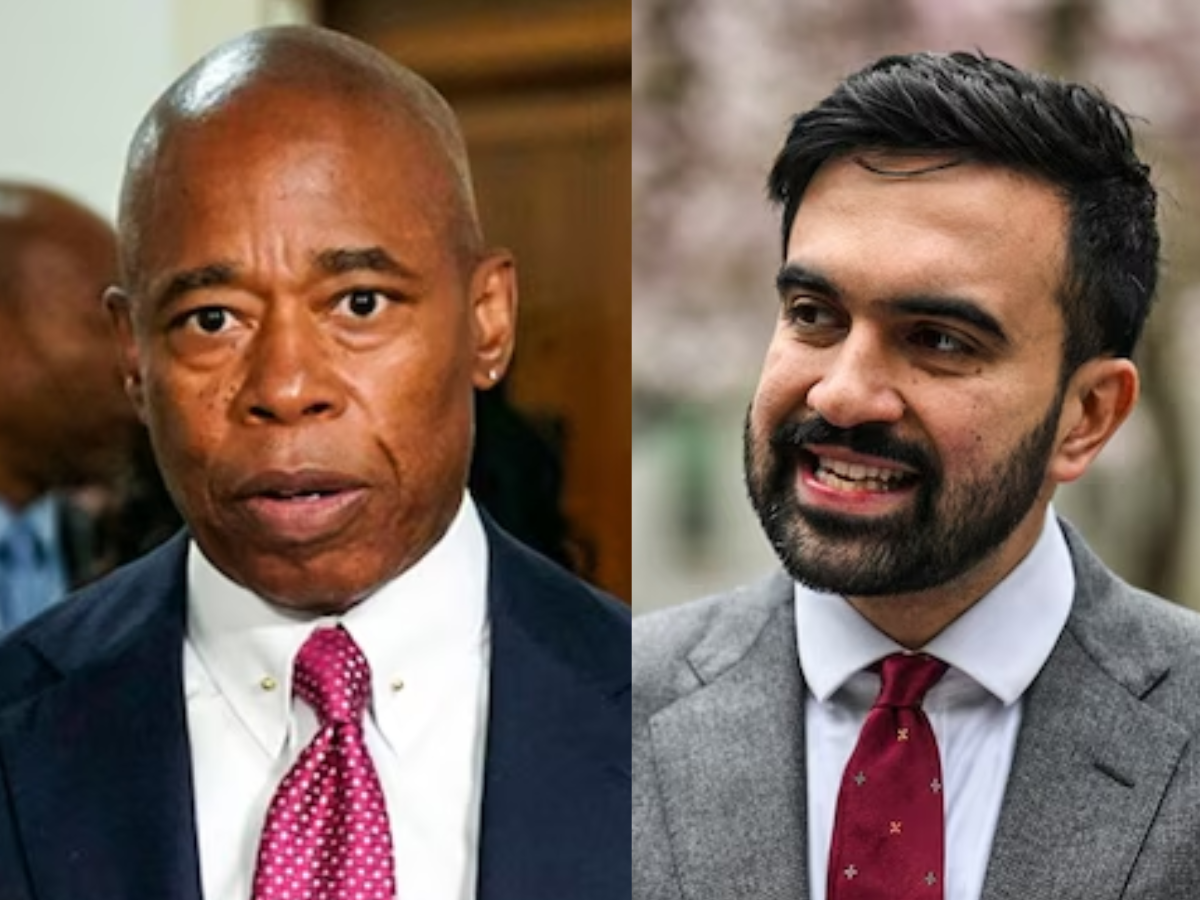
New York City Mayor Eric Adams has ramped up his battle with Democratic mayoral candidate Zohran Mamdani, attacking his backing for the decriminalization of prostitution and asking how the position is religious-friendly. The comments, associating sex work with trafficking and crime, have attracted criticism for appealing to religion during a political campaign.
Adams: “What Quran Is He Reading?
Addressing reporters, Adams condemned Mamdani’s sex work reform record, stating that legalisation would put women at risk and further energize trafficking networks.
“I couldn’t be clearer. I’m a man of God, as much as Mamdani claims to be a Muslim. I don’t know where in his Quran it says it’s acceptable for a woman to be out on the street selling their body,” Adams told the New York Post.
“I do not know what Quran he is using. It is not my Bible,” he said. “As a man who has professed he is of faith, I do not quite grasp what religion promotes prostitution.”
The mayor went on to caution that to decriminalize prostitution would exacerbate crime. “Sex trafficking is very much part of prostitution. No one should be on our streets selling their bodies. If that is his belief, it is a danger for our city.”
Mamdani Defends Record, Hits Back at Budget Cuts
Mamdani, 33, has himself been an ally of sex work reform for many years, originally running on the issue in 2020 in his successful state assembly campaign. He co-sponsored state legislation to decriminalise prostitution last year and as mayor vowed to champion reforms and instruct the NYPD to deprioritise enforcement.
His campaign immediately responded to Adams’ attack by charging the mayor with hypocrisy and causing harm to victims of trafficking.
“Mayor Adams’ irresponsible budget reduction took more than $3 million in funding away from Safe Horizon, endangering thousands of victims of prostitution and sex trafficking-related crimes,” a spokesperson for Mamdani stated. “As mayor, Zohran will make real public safety for all his top priority, including investing $40 million in victim services.”
A Polarising Debate
Reform advocates believe decriminalisation would safeguard sex workers from abuse by pimps, clients, and even police. Critics reply that experiences in Nevada and some of Europe demonstrate that trafficking increases when prostitution is legalised because demand energises criminal networks.
With the election season heating up, Adams’ pointed remarks linking faith to sex work policy may resonate with conservative voters but risk alienating progressives who see Mamdani’s platform as a path to social justice and public safety reform.
The clash highlights a central fault line in New York politics: whether sex work should remain criminalised or be brought into the legal framework as part of broader justice reforms.