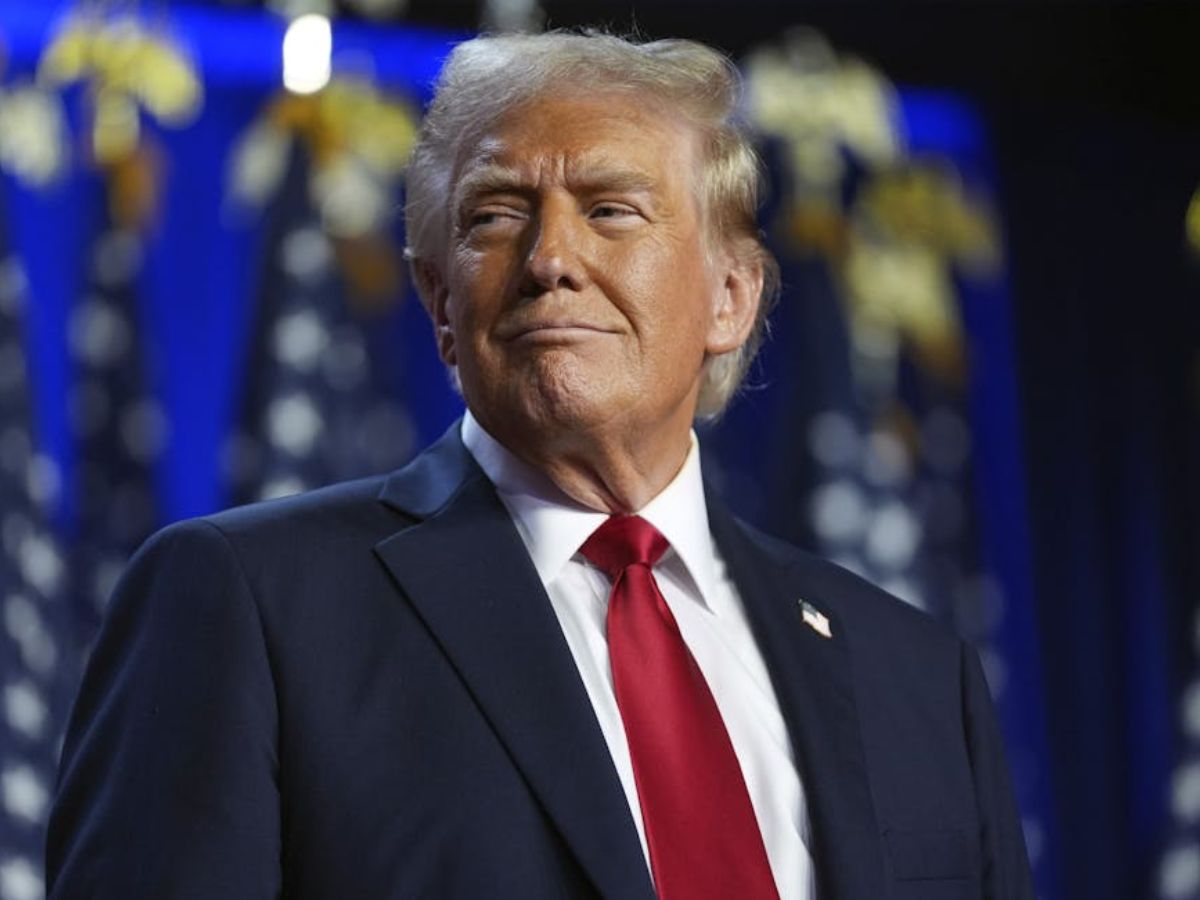
U.S. President Donald Trump announced a series of tariffs On September 25, 2025, effective from October 1, 2025. These include a 100% tariff on imported branded and patented pharmaceutical products, 50% on kitchen cabinets and bathroom vanities, 30% on upholstered furniture, and 25% on heavy trucks. Companies building U.S. manufacturing plants can avoid the pharma tariff.
“Starting October 1st, 2025, we will be imposing a 100% Tariff on any branded or patented Pharmaceutical Product, unless a Company IS BUILDING their Pharmaceutical Manufacturing Plant in America…” – President Donald J. Trump pic.twitter.com/z5EXQhw1xK
— The White House (@WhiteHouse) September 25, 2025
What Could Be the Impact Due to Trump’s Tariff?
The 100% tariff on pharmaceutical products could significantly increase costs for imported drugs, particularly branded and patented ones. U.S. pharmaceutical companies relying on imports may face higher production costs, which could be passed on to consumers. Potential consequences include:
-
Increased medicine prices in the U.S.
-
Supply chain disruptions and possible drug shortages
-
Reduced competitiveness of foreign suppliers in the U.S. market
-
Pressure on companies to invest in domestic manufacturing to avoid tariffs
How Will It Impact India?
India is a major supplier of generic drugs to the U.S., accounting for over 40% of the U.S. generic drug market. Exports of generic medicines to the U.S. were valued at approximately $10.5 billion in FY2025, marking a 20% increase from the previous year.
While the new tariffs focus primarily on branded and patented drugs, which India exports less of, there is concern that complex generics and biosimilars could face tariff barriers in the future. The immediate impact is expected to be minimal, but Indian companies may need to reassess strategies for U.S. market access.
Which Pharma Sector Companies Will Be Impacted?
The tariff primarily targets branded and patented pharmaceuticals, so multinational companies like Pfizer, Johnson & Johnson, Merck, and Amgen could be directly affected. These companies often rely on importing drugs or active pharmaceutical ingredients (APIs) from overseas.
Which Indian Pharma Companies Export to the U.S.?
Several Indian pharmaceutical companies are major exporters to the U.S. market, especially in the generic drugs segment. These include:
-
Sun Pharmaceutical Industries
-
Dr. Reddy’s Laboratories
-
Lupin Pharmaceuticals
-
Aurobindo Pharma
-
Zydus Lifesciences
-
Hetero Labs
-
Cipla
-
Biocon
-
Granules India
-
Ajanta Pharma
These companies are closely monitoring the tariff situation and may need to adjust their supply chains or invest in U.S.-based manufacturing to mitigate potential costs. Trump’s 100% tariff on pharmaceutical products is a significant policy shift aimed at boosting domestic manufacturing in the U.S. While the immediate effect on India’s generic drug exports may be limited, the global pharmaceutical market could see price increases, supply chain disruptions, and strategic shifts. Indian companies exporting to the U.S. will need careful planning to navigate these new trade barriers.
Also Read: “It Burns When I Pee”: Did Trump Really Say That at the United Nations General Assembly? Goes Vi