
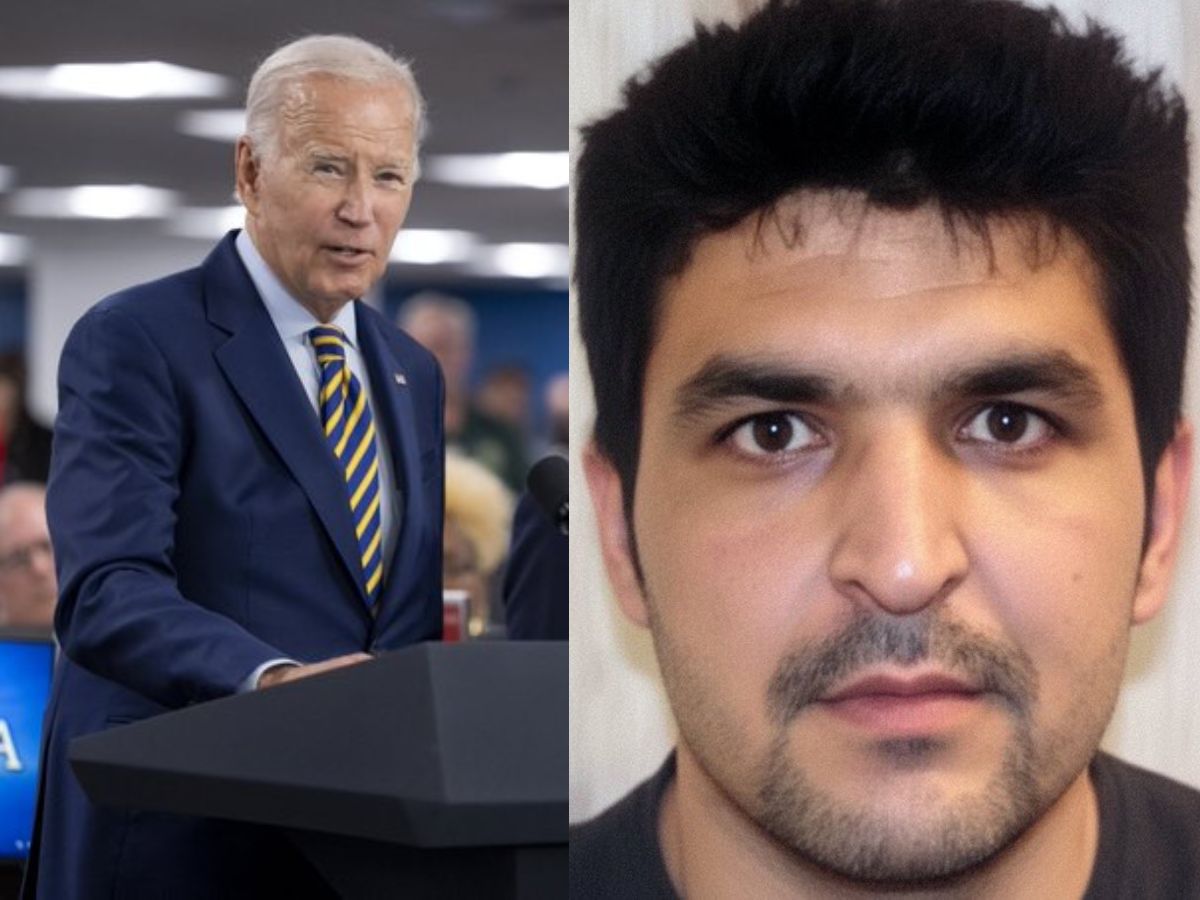
A Washington, D.C. shooting has revived national debate over America’s Afghan resettlement program after authorities confirmed that the suspect, Rahmanullah Lakanwal, entered the United States under Operation Allies Welcome. Law-enforcement officials said the 29-year-old Afghan national was taken into custody after he was shot by other guardsmen during the incident, as reported by CBS News.
Sources told the New York Post that Lakanwal was resettled in Bellingham, Washington, before he moved to the D.C. area. His background has triggered new scrutiny of the program that brought tens of thousands of Afghans into the US following the 2021 withdrawal from Afghanistan.
What is Operation Allies Welcome?
The Department of Homeland Security (DHS) launched Operation Allies Welcome (OAW) on August 29, 2021. The program aimed to coordinate the resettlement of Afghans evacuated after the fall of Kabul. DHS described the effort as a mission to protect “vulnerable Afghans,” including interpreters, embassy workers, and others who spent years supporting US forces.
The screening process included biometric and biographic checks by multiple agencies. These included the intelligence community, the Federal Bureau of Investigation (FBI), DHS, and the US Department of Defense (DoD).
According to Global Refuge, OAW brought tens of thousands of Afghan evacuees to the US under humanitarian parole or special visa pathways. Many were later relocated from temporary military bases to communities across the country.
Shooter’s Entry Revives Security Concerns
Officials confirmed that Rashmanullah Lakanwal entered the country under the OAW program. His presence in Washington, D.C. has renewed political and public pressure on the Biden administration over how thoroughly evacuees were vetted during the chaotic 2021 exit from Afghanistan.
Critics argue that the emergency evacuation compromised normal screening procedures. A recent independent review by the Department of Justice’s Office of Inspector General (OIG) stated that the rapid pace of arrivals made complete vetting “difficult,” and warned of a heightened chance that “bad actors” could enter the country.
These findings have fueled fresh criticism of now-former President Joe Biden and his handling of the resettlement operation.
Calls Grow for Overhaul of Refugee Vetting Systems
The Lakanwal case has revived a broader debate, whether America’s refugee and parole programs need deeper reform. Security experts and lawmakers are now urging the government to modernize its vetting tools, boost intelligence-sharing with foreign partners, and strengthen long-term monitoring of high-risk entrants.
Several analysts say the incident highlights a bigger gap—the lack of sustained post-arrival supervision for individuals admitted during emergency evacuations. They argue that once evacuees move into local communities, tracking and support systems become weaker, making intervention difficult until a crime occurs.