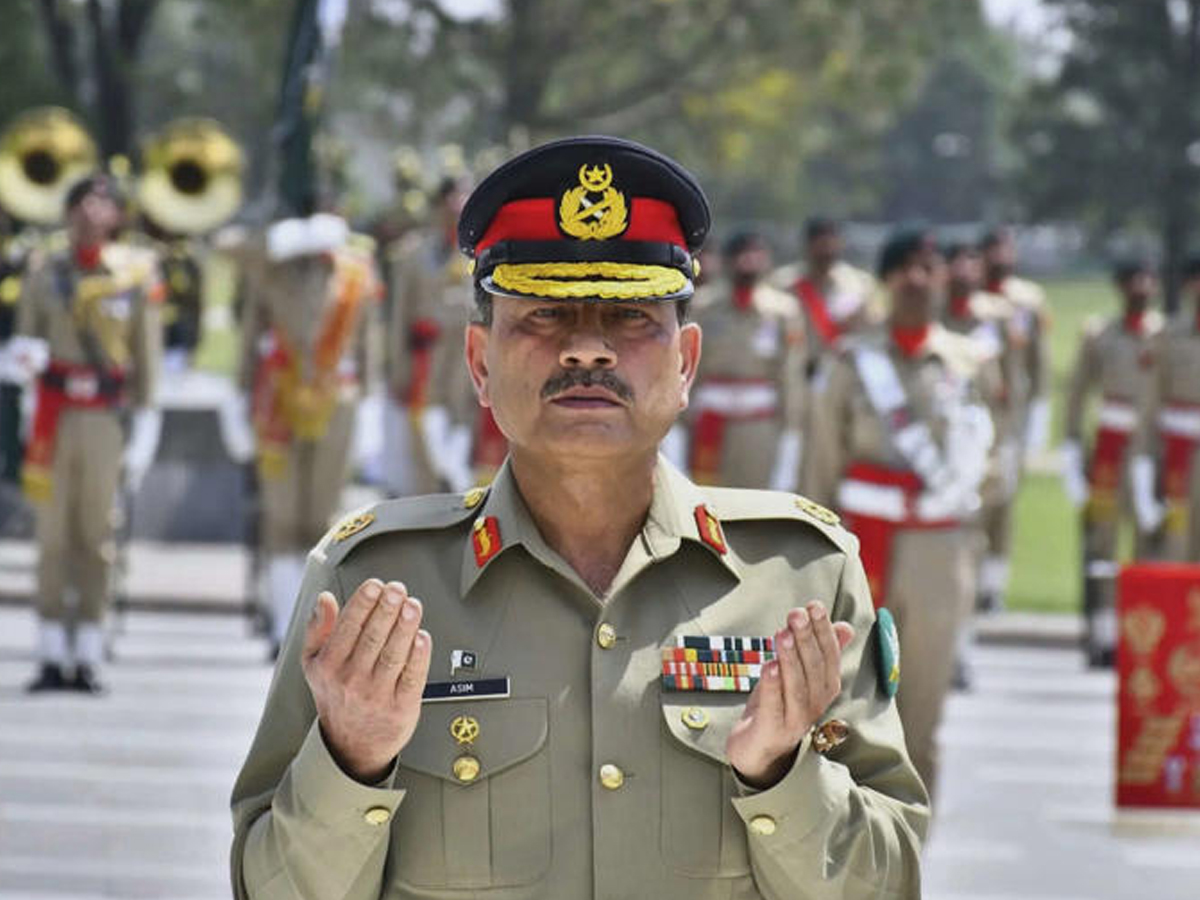
Amid escalating trade tensions between India and the United States, Pakistan Army chief Field Marshal Asim Munir is reportedly preparing for a second visit to Washington, DC, just two months after his last. Pakistani media outlets say the high-level visit reflects a growing warmth between Islamabad and Washington, especially as the US under President Donald Trump imposes sharp tariff hikes on Indian exports.
This development has added a new layer to the already tense geopolitical scenario, with Munir’s visit following closely after General Michael Erik Kurilla, the head of the US Central Command (CENTCOM), travelled to Pakistan in July. Further cementing the burgeoning strategic rapport, the government of Pakistan awarded the Nishan-i-Imtiaz (military) to Kurilla.
Trump Hits India with Heavy Tariffs Over Russian Oil
President Trump recently announced a 25% additional tariff on Indian exports, which fuels the tension, citing India’s continued purchase of Russian crude oil. With this new hike, total US tariffs on Indian goods now stand at 50%. Trump warned that other nations dealing with Russia could face similar trade penalties.
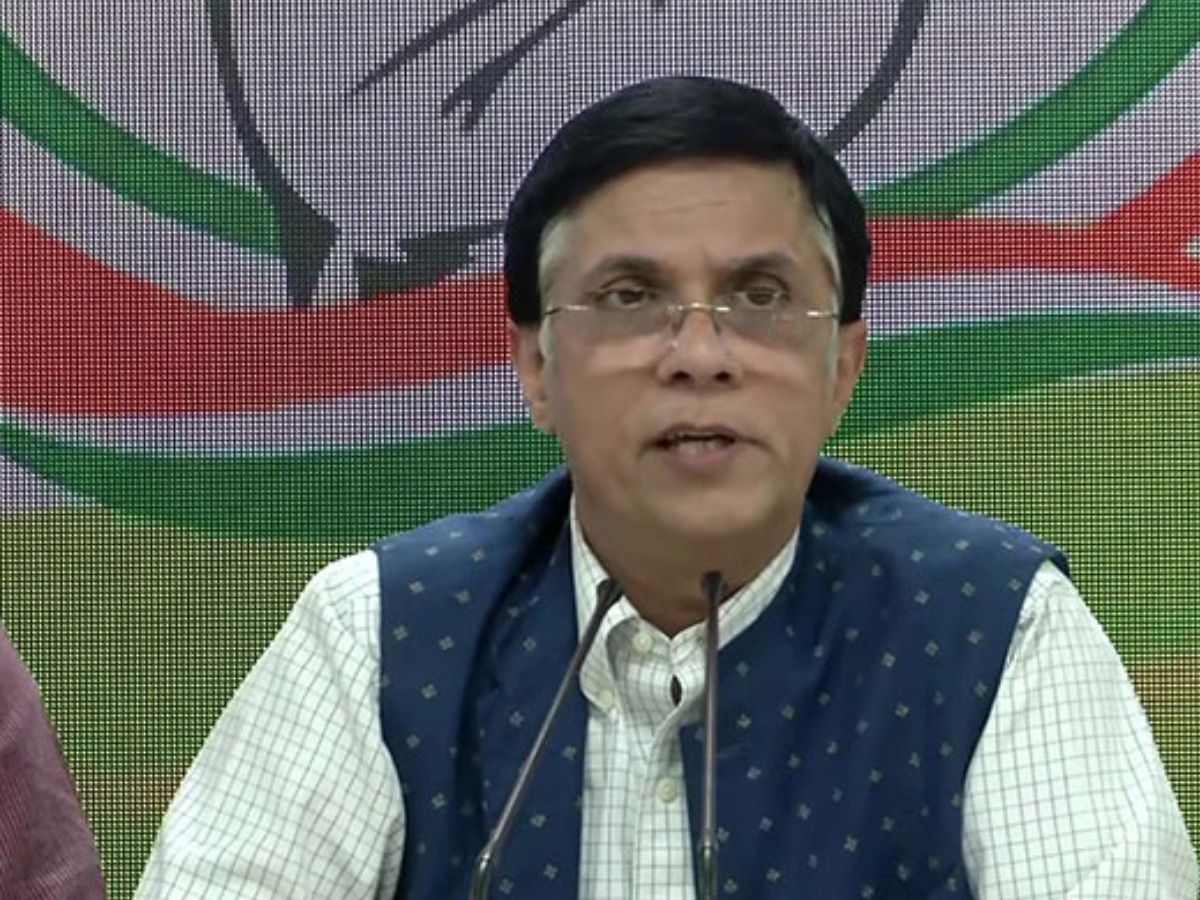
In response, India’s Ministry of External Affairs called the move “unfair, unjustified, and unreasonable,” defending its oil imports as necessary for the energy security of 1.4 billion citizens.
“We have already made clear our position on these issues, including the fact that our imports are based on market factors and done to ensure the energy security of 1.4 billion people…”
“It is therefore extremely unfortunate that the US should choose to impose additional tariffs on India… for actions that several other countries are also taking in their national interest,” said the official MEA statement.
Trump’s Trade Shift: Favoring Pakistan?
Adding to the controversy, Trump’s administration recently struck a trade agreement with Pakistan that includes preferential tariff rates and the potential exploration of oil reserves within the country. The shift has not gone unnoticed in New Delhi.
Munir’s upcoming visit comes in the shadow of that trade deal and builds on his June trip, where he was hosted for lunch at the White House. During that earlier meeting, he reportedly hinted at a return visit later in the year, now confirmed by multiple Pakistani media reports.
Operation Sindoor and Diplomatic Fallout
The souring of ties between India and the US can also be traced back to Operation Sindoor—India’s counterstrike after the Pahalgam terror attack, which claimed 26 lives. Trump claimed he brokered a ceasefire between India and Pakistan—a statement the Indian government firmly denied.
“We had said from day one that our action was non-escalatory. No leader in the world asked us to stop Operation Sindoor,” Prime Minister Narendra Modi told Parliament.
The deepening US-Pakistan engagement—coupled with punitive actions against India—suggests a reconfiguration of diplomatic equations in the region. As Munir prepares for his second US visit, questions continue to swirl about Washington’s shifting alliances and their long-term implications.
MUST READ: Trump Slaps 100% Tariff on Imported Semiconductors, Offers Exemptions to Boost Domestic Production