
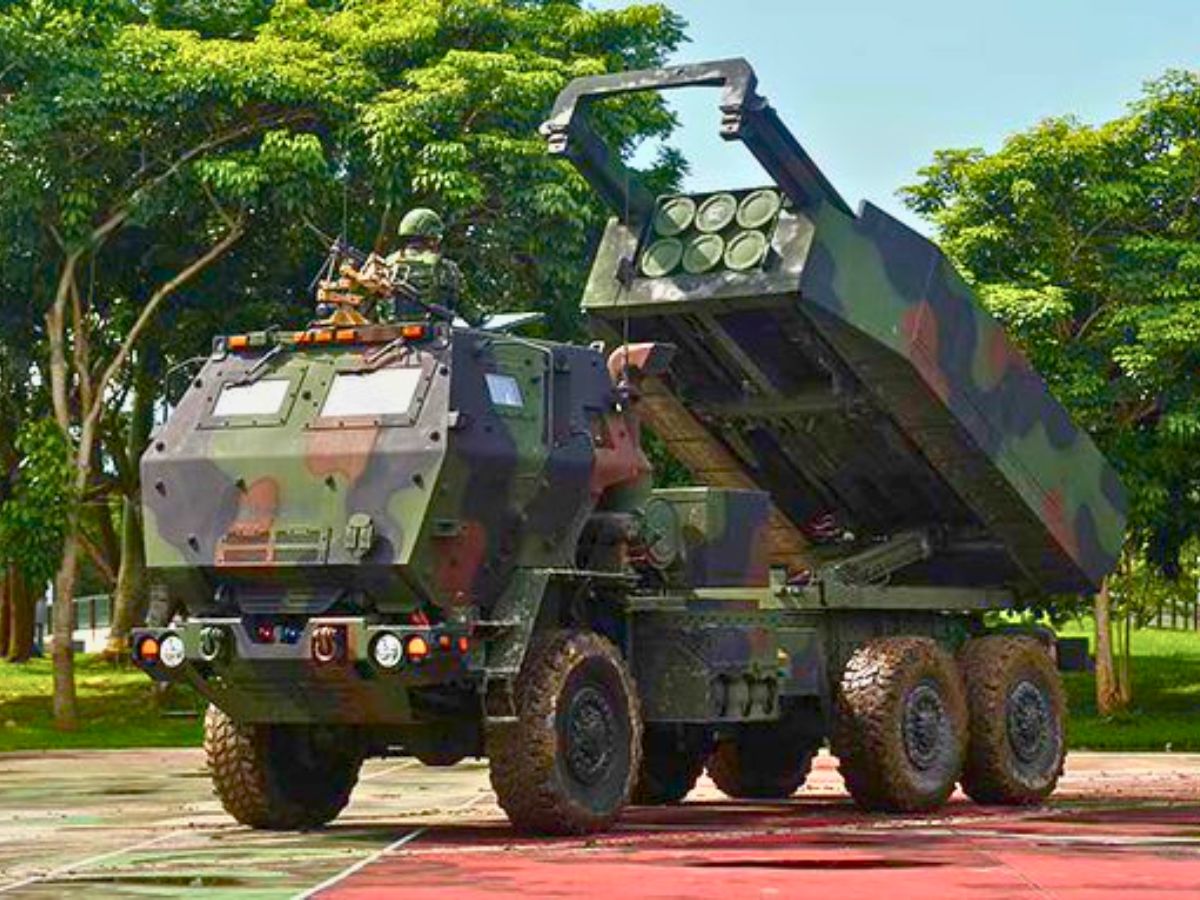
The US has cleared one of its biggest-ever defence sales to Taiwan, approving weapons and military equipment worth more than $11 billion. The move strengthens Taiwan’s defence capabilities and is expected to draw a sharp reaction from China, which claims the self-ruled island as its own territory.
The announcement came as Washington underlined its commitment to Taiwan’s security amid rising tensions in the Indo-Pacific region. The arms package includes advanced missile systems, artillery, drones and military software aimed at improving Taiwan’s ability to defend itself.
What is Included in the US Taiwan Arms Deal?
The defence package features a wide range of high-end military hardware. At its core are 82 High Mobility Artillery Rocket Systems (HIMARS) and 420 Army Tactical Missile Systems (ATACMS). These systems are designed to strike targets at long ranges with high precision.
The deal also includes self-propelled howitzer systems, drones, and advanced military software. In addition, the package covers Javelin and TOW anti-tank missiles, helicopter spare parts, and refurbishment kits for Harpoon missiles.
Together, these systems are meant to strengthen Taiwan’s land, air and coastal defence capabilities.
Why Did the US Approve the Arms Sale?
The US State Department said the sale aligns with Washington’s broader strategic goals in the region. In its statement, the department said the sales serve “US national, economic, and security interests by supporting the recipient’s continuing efforts to modernize its armed forces and to maintain a credible defensive capability.”
“The proposed sale(s) will help improve the security of the recipient and assist in maintaining political stability, military balance, and economic progress in the region,” the statement added.
US officials have repeatedly stressed that the weapons are defensive in nature and intended to deter aggression rather than provoke conflict.
How Does This Affect China–Taiwan Relations?
China views Taiwan as a breakaway province and has strongly opposed any foreign military support to the island. Beijing has warned that arms sales violate its sovereignty and threaten regional stability.
The latest deal is likely to heighten tensions between Washington and Beijing, especially at a time when military activity around Taiwan has increased. China has frequently conducted drills near the island and stepped up pressure through air and naval operations.
Why This Deal Matters for Regional Security?
Security experts say the size and scope of the deal send a strong political signal. It reinforces the US commitment to Taiwan’s defence under existing agreements, even as Washington maintains its “One China” policy.
The inclusion of long-range missile systems and drones suggests a focus on deterrence and rapid response. These capabilities could make it harder for any adversary to carry out a swift military action.
What Happens Next?
The deal still needs to move through the final stages of approval and implementation. Once completed, deliveries will take place over several years.
As tensions continue to rise in the Taiwan Strait, the arms sale is expected to remain a major diplomatic flashpoint. The move highlights the growing strategic competition between the US and China, with Taiwan at the centre of that rivalry.