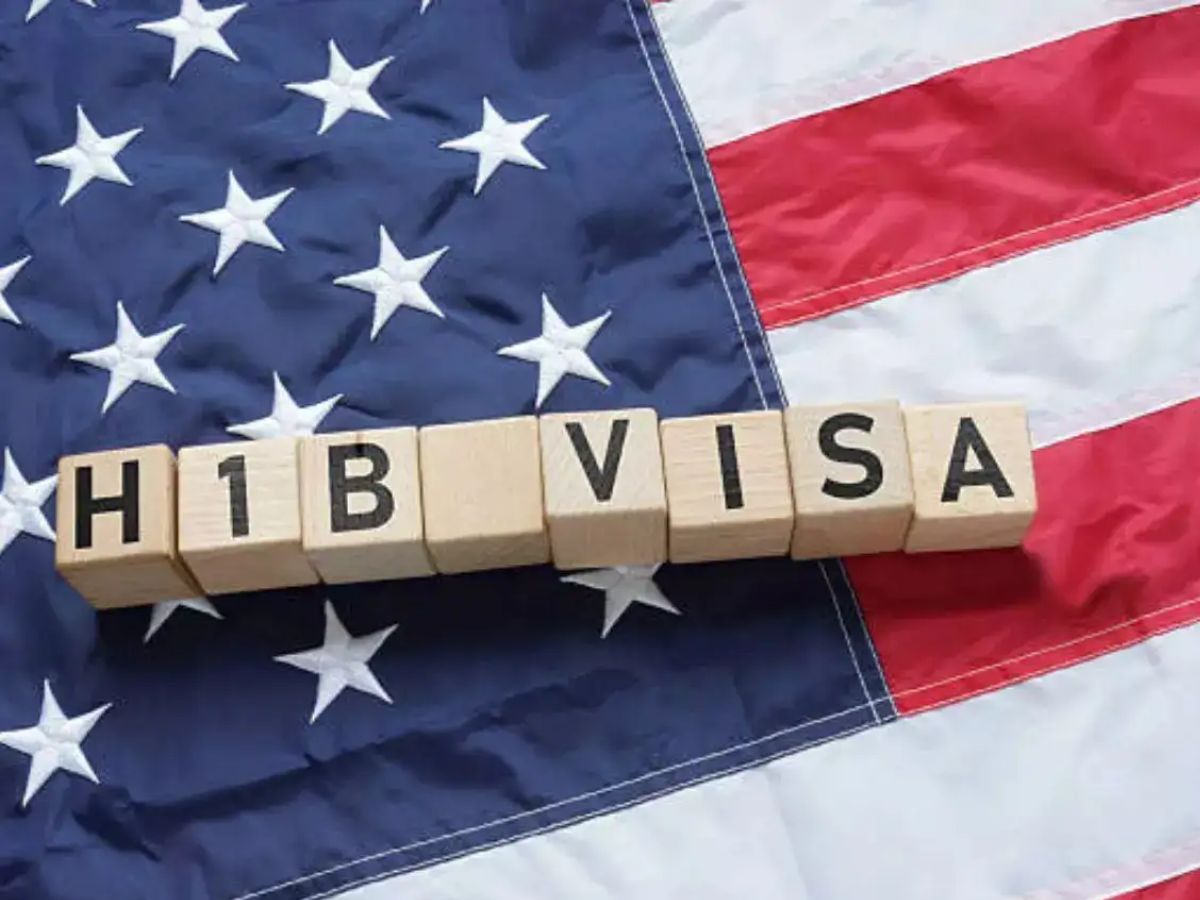
Google and Apple have alerted their employees on US work visas to reconsider international travel due to severe delays in visa stamping at US embassies and consulates. The warnings come as diplomatic posts worldwide face backlogs that could stretch up to 12 months, potentially leaving staff unable to return to the United States.
US Work Visa: Why the Travel Warning Was Issued?
Both companies legal teams circulated memos to employees relying on visas like H-1B, H-4, F, J and M, urging caution when planning trips abroad. The advice stems from an unprecedented backlog in visa appointments, meaning workers may not secure required visa stamps in time to re-enter the US.
In one memo seen by Business Insider, Google’s immigration counsel wrote:
“Please be aware that some US Embassies and Consulates are experiencing significant visa stamping appointment delays, currently reported as up to 12 months. You would risk an extended stay outside the US.”
Apple’s advisory, issued through its immigration partner Fragomen, urged employees without a valid visa stamp to avoid international travel and connect with internal teams before making any plans.
Which Visa Categories Are Affected?
The warning covers key categories used by tech sector workers and students:
- H-1B (speciality occupation work visas)
- H-4 (dependents of H-1B holders)
- F, J, M (students and exchange visitors)
These categories often require visa stamping abroad for re-entry, and the long wait times mean planned travel — even for short vacations or emergencies — now carries risk.
Root Cause: Embassies Backlogged by New Screening Rules
Officials and immigration law firms say the delays result from expanded social media and online presence screening protocols at US embassies. Under the new checks, consular officers now spend more time reviewing applicants’ profiles as part of a wider security vetting process.
A spokesperson for the US State Department confirmed that posts worldwide, including in major hubs like India and Ireland, are now placing greater emphasis on detailed vetting over speedy processing.
What Travel Plans Could Mean for Workers?
Employees are now weighing whether to travel for holidays, family visits or planned trips before the heavy backlog settles. Immigration attorneys warn that flights back home for stamping could turn into months-long absences, with no certainty of when an appointment might be available.
For those already abroad when consulates delay appointments, the risk is that they may remain stranded outside the US without a valid re-entry stamp.
Impact on Remote Work and Project Deadlines
The travel advisory also raises concerns about project continuity and remote work arrangements. Companies like Google and Apple depend on international teams dispersed across time zones. Extended absences due to visa delays could disrupt critical project timelines, especially in roles requiring physical presence in the United States.
Tech sector analysts say firms may need to reassess travel policies, team planning and remote work support while backlogs persist.
How Employees Are Responding?
Some workers are reconsidering family vacations, urgent travel, and overseas visits. Others are rescheduling personal plans altogether to avoid jeopardizing work commitments or visa status. Human resource teams at tech firms are reportedly increasing communication with legal partners to guide affected staff and help them make safer travel decisions.
What Experts Advise?
Immigration lawyers recommend employees:
- Verify whether they need a visa stamp before departing the US
- Consult employer immigration teams before booking travel
- Avoid non-essential international trips until backlogs ease
These steps aim to prevent workers from inadvertently becoming stranded abroad.
Visa Backlogs and Future Travel
With consulates prioritising deeper vetting over speed, delays may continue for months. Companies and employees alike are watching for shifts in policy or staffing that might shorten appointment waits. For now, travel advisories like those from Google and Apple could become a new normal for international workers on US visas.