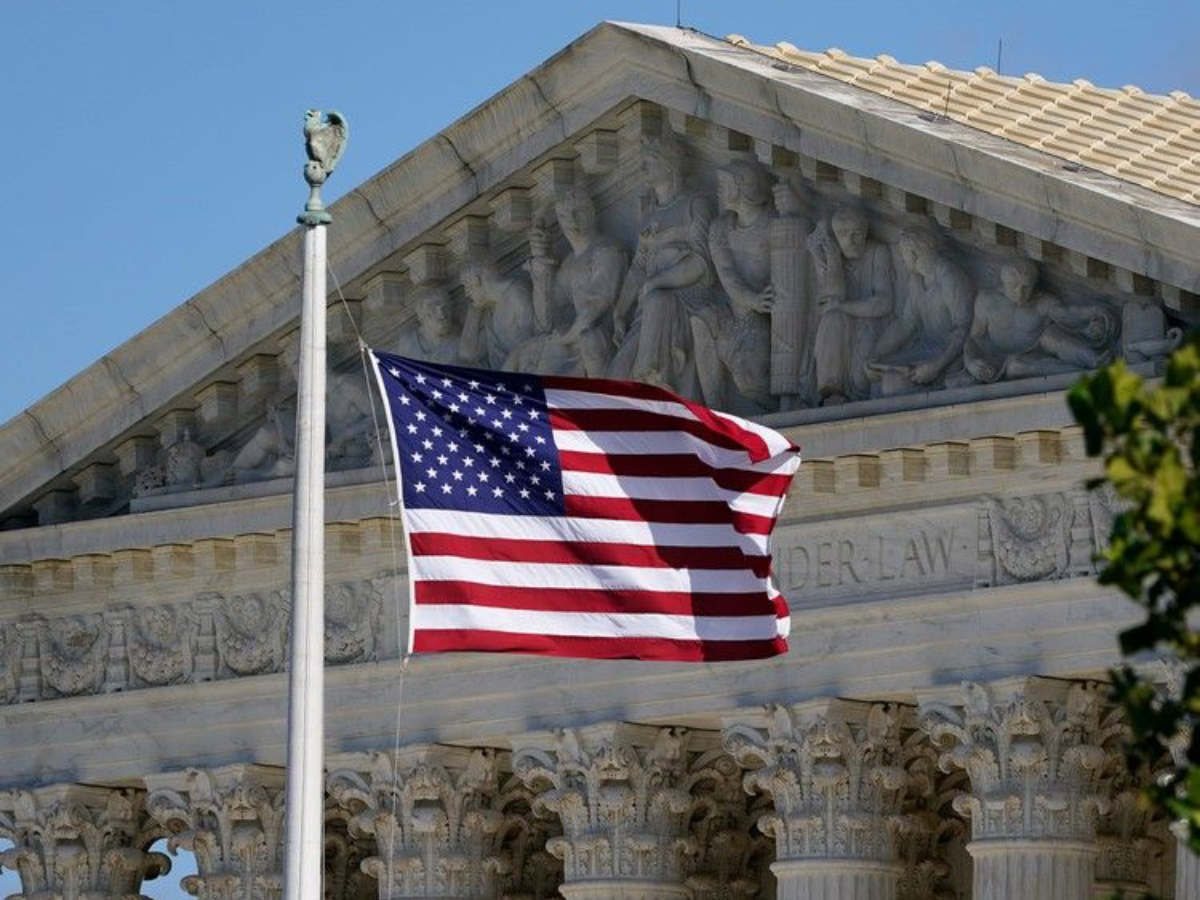
The U.S. Supreme Court raised serious doubts on Wednesday over the extent to which U.S. President Donald Trump was justified in imposing broad tariffs globally under a law that was designed for national emergencies.
In arguments that ran for almost three hours, both conservative and liberal members of the bench pushed the administration’s legal team to defend the extent of presidential powers to act unilaterally in matters of trade.
The case has significant ramifications for Trump’s legacy on economic policy and for how much any president can reach beyond Congress when it comes to fiscal policy decisions.
What is the heart of the legal dispute was
At the heart of the debate lies the International Emergency Economic Powers Act, a 1977 law granting the president limited authority to regulate imports and exports during national emergencies. The law does not explicitly mention tariffs, but Trump used it to impose sweeping trade levies in his second term with the first U.S. president ever to do so. Lower courts struck down the move, ruling that the act does not extend to taxation or tariffs, which constitutionally are at the discretion of Congress.
ALSO READ: Fact Check: Did Obama Back Zohran Mamdani’s Historic NYC Mayoral Run?
Chief Justice John Roberts emphasized that taxation is the core power of Congress, signaling the court’s concern over executive overreach. Justice Elena Kagan echoed that view, telling Solicitor General D. John Sauer that the statute doesn’t give you what you want, referring to the lack of tariff authority in IEEPA’s language.
Economic & Political Consequences
Trump’s tariff policies have stirred a significant debate in Washington and throughout the U.S. economy. His team, including Treasury Secretary Scott Bessent, Commerce Secretary Howard Lutnick and Trade Representative Jamieson Greer, maintain that the tariffs shield American industries but many economists and voters believe otherwise.
Recent polling shows widespread discontent with the policy’s consequences: 63% of registered voters say Trump’s economic performance has failed to live up to expectations, with many blaming tariffs for higher consumer costs. The stakes of the Supreme Court’s decision extend beyond trade it’s a test of whether emergency powers can justify long-term, global economic interventions.
ALSO READ: Zohran Mamdani Makes History with All-Female Transition Team for NYC Win
What are the Future Suggestion
The justices questions suggest skepticism toward Trump’s interpretation of presidential authority under IEEPA. Justice Neil Gorsuch questioned whether allowing such powers would effectively let Congress abdicate all responsibility for regulating foreign commerce or even declaring war. The court’s final ruling, expected in the coming months, could reshape the balance of power between the White House & Congress on trade and redefine the limits of executive authority for years to come.
If it rules against Trump, the court may reaffirm that no president can unilaterally wield Congress’s taxing power even in times of economic uncertainty.
Disclaimer: This article is based on official reports and public court proceedings. It does not express or imply any political bias or personal opinion.