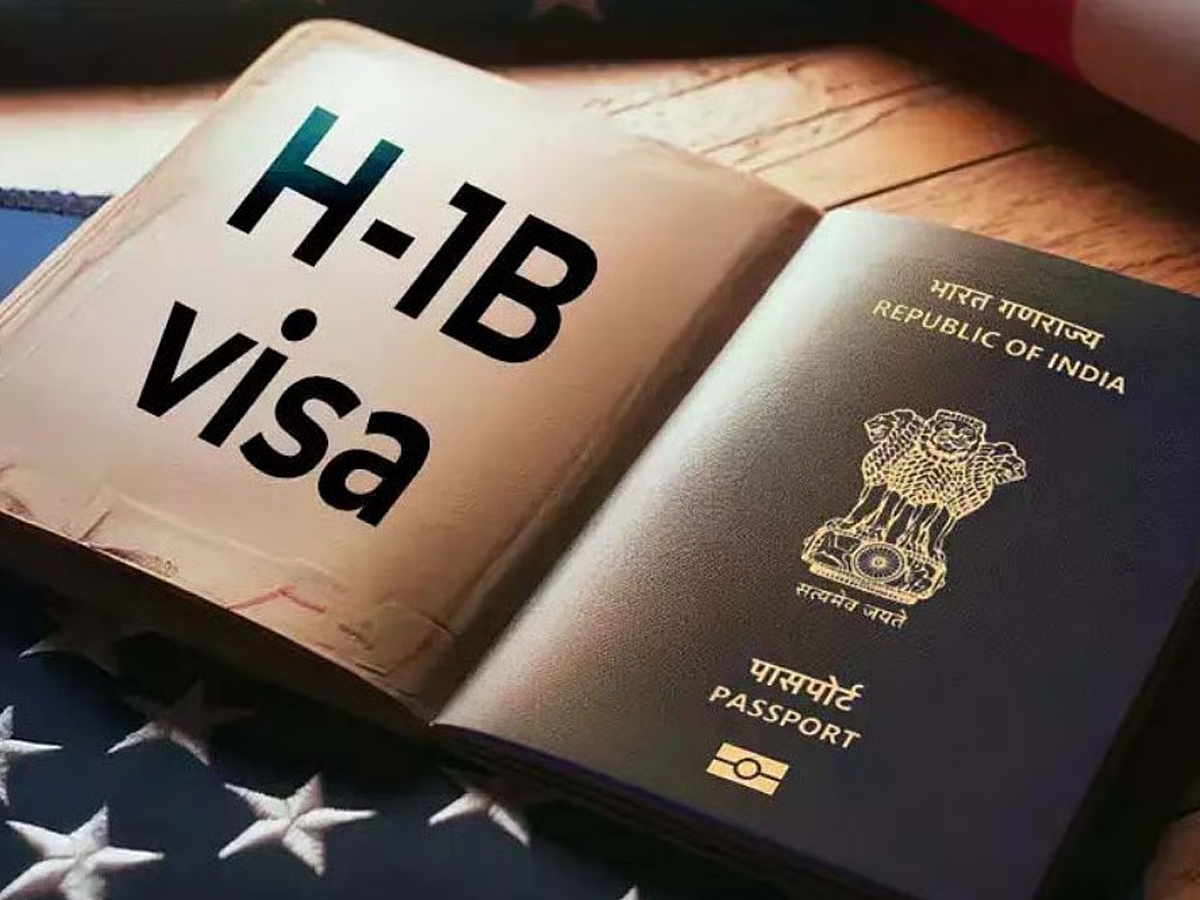
The United States has tightened its immigration checks once again, and this time, the focus is on what visa applicants post online. From December 15, all H-1B visa applicants and their dependent H-4 applicants must undergo mandatory social media screening as part of the US visa vetting process. The move marks a major shift in how employment-based visas are assessed and has raised fresh concerns among foreign workers, especially Indians.
The new rule comes amid a broader immigration crackdown under the Donald Trump-led administration, which has repeatedly stressed that entering the US is a privilege, not a right. Officials say the measure aims to flag applicants who may be “inadmissible” due to security or public safety concerns.
What Is the New US Visa Social Media Rule?
The decision stems from an order issued by the US State Department on December 3. Under the directive, visa officers must review the online presence of H-1B applicants and their H-4 dependents. Until now, such screening has applied mainly to students and exchange visitors.
To enable this review, applicants must set all their social media profiles to “public” before attending their visa interviews. The department said it would use online activity as part of a broader assessment to identify risks.
“The state department uses all available information in visa screening and vetting to identify visa applicants who are inadmissible to the United States, including those who pose a threat to US national security or public safety,” the order said.
It added that “a US visa is a privilege, not a right” and described every visa decision as a “national security decision.”
Who Will Be Affected by the Screening?
The rule applies to:
- H-1B work visa applicants
- H-4 dependent visa applicants
- Other non-immigrant categories, such as F, M, and J visas
However, employment-based visa holders are expected to feel the biggest impact, as delays and denials can directly affect jobs and income.
Why Indians Face the Biggest Impact
Indian nationals form the backbone of the H-1B programme. They account for more than 70 per cent of all H-1B visas issued by the US. In contrast, Chinese nationals make up around 11–12 per cent.
Around 300,000 Indian professionals currently work in the US on H-1B visas, mainly in technology, IT services, and consulting roles. Any disruption in visa processing puts their careers at risk.
Visa Delays and Interview Rescheduling
Even before the rule came into effect, US embassies had begun rescheduling visa appointments. Many applicants in India found their interviews pushed back without warning.
The US Embassy in India issued a clear message: “Arriving on your previously scheduled appointment date will result in your being denied admittance to the Embassy or Consulate.”
As a result, several professionals remain stuck in India, unable to return to their US jobs.
Risk of Job Loss and Visa Revocations
Immigration lawyers warn that delays could lead to job losses. Ellen Freeman highlighted the problem on LinkedIn, saying employers may not wait months for employees to return.
“We have to plead with employers to let them either work from India or take a prolonged leave of absence for as many as 5 months. In this economic environment and the pressure, many employers will not be able to wait,” she wrote.
Some visa holders have also seen their visas “prudentially revoked” due to past police interactions, even without convictions. Experts stress that this step is temporary but still disruptive.
What Applicants Should Do Next
Applicants are advised to review their social media history carefully, ensure transparency, and prepare for longer processing times. Immigration experts recommend staying in touch with employers and seeking legal advice if delays stretch on.