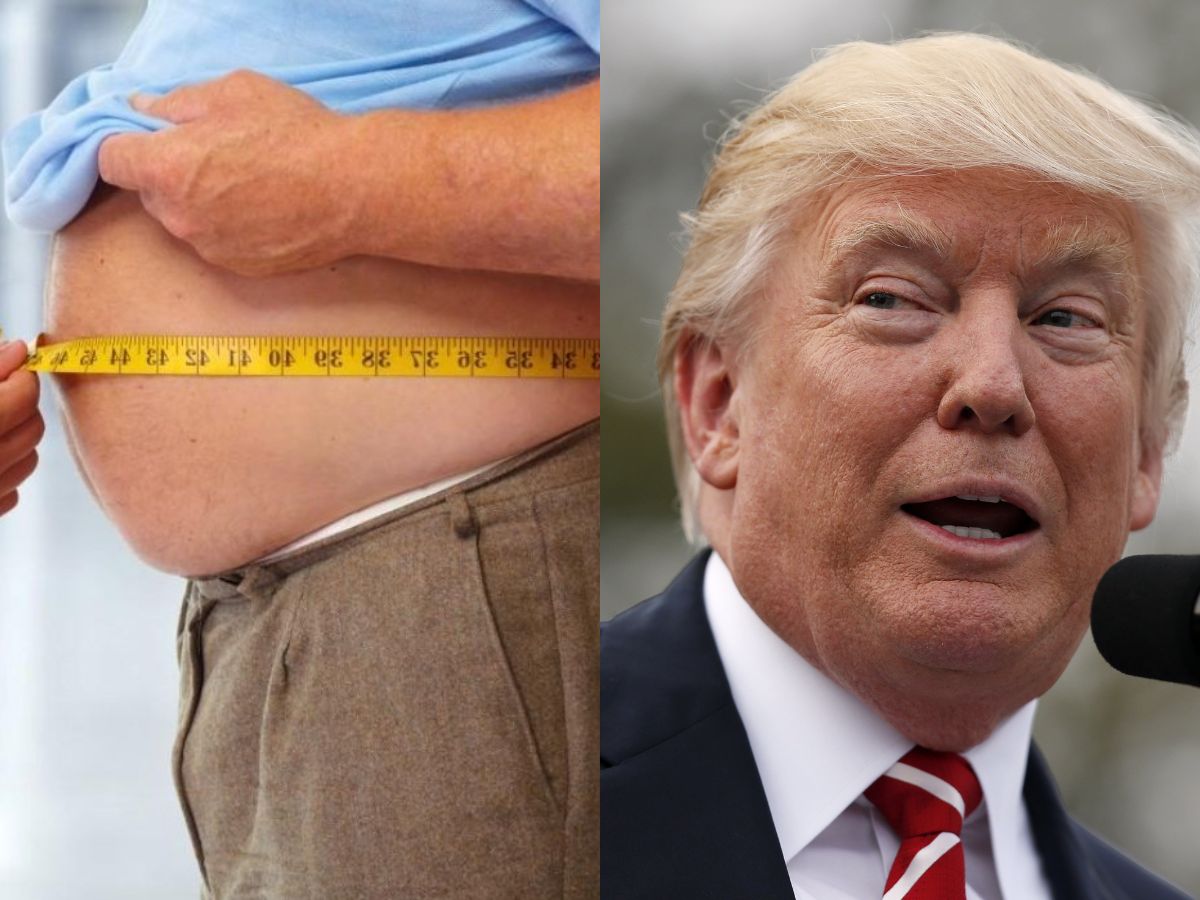
The United States has invoked a new rule that may resist entry or permanent residency to foreign nationals if they have pre-existing chronic diseases such as diabetes, obesity, heart disease, and cancer. According to the government, this reinforces the century-old “public charge” rule. The move has caused widespread concern among international students, especially those applying for F-1 student visas.
Expansion of the Public Charge Rule
The US State Department has given new guidelines to its embassies and consulates worldwide to instruct visa officers to scrutinize applicants with health conditions that are likely to lead to high medical expenses. The memo lists cardiovascular diseases, respiratory ailments, cancer, diabetes, neurological and mental health disorders, and obesity for their potential to require “hundreds of thousands of dollars’ worth of care.”
Health screenings during the visa process have traditionally been limited to infectious diseases like tuberculosis. But the new rule signals a dramatic turn in tying visa eligibility to chronic and often non-infectious health conditions, indicating that medical expenses could be a determining factor in visa applications.
Student Visas Under Scrutiny
While the guidance does apply broadly to all visa categories including visitor (B-1/B-2) and student (F-1) visas, it is primarily for those seeking permanent residence. However, there could be even stricter scrutiny over individuals applying for F-1 visas too.
The new rule instructs officers to assess whether an applicant can pay for any possible long-term healthcare costs “over his entire expected lifespan without seeking public cash assistance or government-funded institutionalisation.”
This implies that even when students can show adequate tuition and living expenses, their chronic health conditions may still raise red flags about their future financial self-sufficiency.
Immigration Experts Sound Alarm
Immigration experts and advocacy groups have raised red flags over the new directive, which they say gives too much power to consular officers who are not medically trained to make subjective judgments about an applicant’s long-term health risks.
According to TNN, experts say this could disadvantage older applicants and those with prevalent chronic conditions, allowing “only the healthiest and wealthiest” applicants. For international students, especially from countries like India, the prevalence of metabolic diseases could add an extra layer of complication other than academic and financial eligibility.
The added uncertainty about how this policy will be interpreted by consular staff contributes even more complexity to an already intensive application process.
Implications for Future Applicants
As the US begins to enforce this expanded health-based review, universities and international applicants may have to reconsider their strategy in presenting financial and medical documentation. Due to the uncertain degree of enforcement, applicants with chronic conditions may now have to present detailed medical reports or evidence of comprehensive health insurance to prevent possible rejection.
“The new rule doesn’t ban applicants with health issues,” say experts, “but it raises the bar to prove financial capability and independence in the long term.”
A Tougher Road for International Students
The updated guidance reflects a shift toward stricter screening in US immigration policy-one that has health and financial independence as central criteria. In this case, the F-1 student could face increased uncertainty in securing a visa despite their academic and monetary requirements.
As one immigration lawyer put it, “The question is no longer just whether you can afford your education, but whether your health profile might cost the US government in the long run.” In other words, this could mean that studying in America will become significantly more difficult for international students with chronic conditions, changing the face of global education mobility.
Also Read: Top 10 Indian Cities With Hazardous Air: Delhi Leads, NCR Struggles With Smog