
A U.S. federal judge has temporarily halted the Trump administration’s effort to deport dozens of unaccompanied Guatemalan youths, citing grave concerns for their safety and legal rights. The decision comes against a backdrop of increasing tensions about immigration policy and humanitarian protections for vulnerable children.
Emergency Legal Action
The ruling, made Sunday by District Court Judge Sparkle Sooknanan, was in response to emergency appeals from immigrant rights groups. The groups claimed the children as young as 10 years old were in immediate danger of being deported while immigration cases are pending.
Approximately 600 children were reported to be at risk of being put on planes in Texas and sent back to Guatemala, filings say. Lawyers argued the practice broke U.S. laws intended to safeguard unaccompanied minors, who deserve due process before deportation.
Judge Sooknanan then countered with a temporary restraining order to stop the deportation of a group of 10 children, subsequently broadening it to all the unaccompanied children in the matter. The order is for 14 days pending the course of the case.
Guatemalan Families Left in Limbo
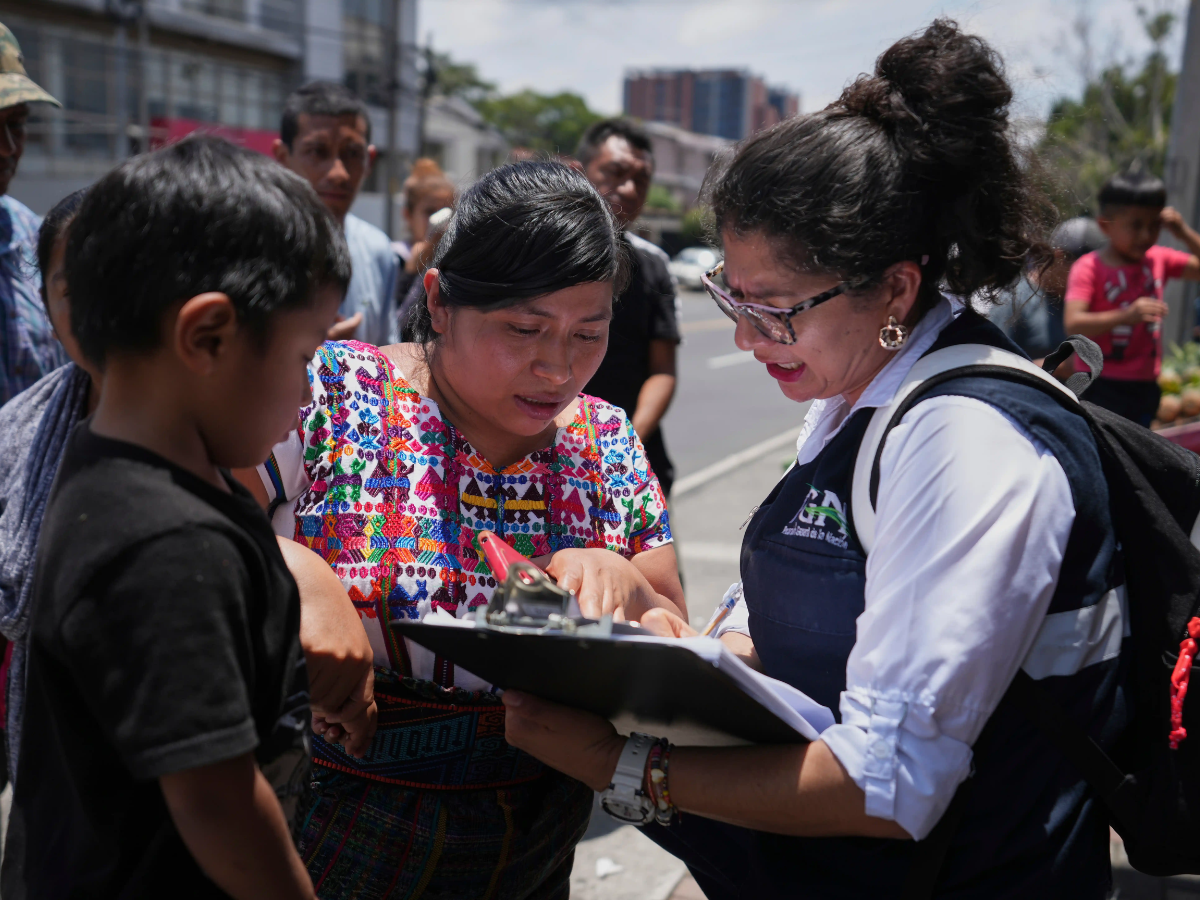
Word of the intervention by the court caused a stir in Guatemala, where dozens of parents had congregated in the capital, Guatemala City, to wait for the children to arrive.
Xiomara Lima, whose 17-year-old son Gerson had called her at 01:00 local time to inform her that he was being repatriated, said families were left in the dark. “Now we don’t know when he will come back,” she explained to Prensa Libre.
Another parent, Gilberto López, was upset upon learning his nephew would not be arriving as scheduled. He described how his nephew had traveled from Guatemala to find employment and contribute to the family, who have health issues and live in poverty.
Government and Legal Arguments
The Trump administration stood its ground, with Deputy Assistant Attorney General Drew Ensign informing the court that the flights were meant to be “family reunifications” and not deportations. He added that both the Guatemalan government and family members had asked the children be returned home.
Guatemalan President Bernardo Arévalo supported this position, denouncing the ruling and promising to persist in attempts to repatriate the children through a pilot program he had spoken with President Trump about.
However, advocacy groups dismissed this assertion, asserting that numerous children had legitimate fear of persecution if they were sent back. They also maintained that some still had active immigration cases awaiting decisions in U.S. courts.
Wider Immigration Crackdown
This decision follows on from wider initiatives by President Trump in his second term to ramp up deportations of unauthorized immigrants a mainstay of his presidential election campaign.
In June, the U.S. Supreme Court gave the administration the power to restart the deportations of migrants to third nations without complete hearings about the risks they may encounter, which was greeted with controversy by human rights groups.
White House immigration adviser Stephen Miller denounced the latest decision, asserting that it prevented children from being reunited with their parents in Guatemala. Critics do maintain, however, that the administration’s move puts minors at serious risk and erodes long-standing child protection policies.
What Happens Next
Judge Sooknanan’s temporary restraining order gives time for additional legal arguments. A final hearing is anticipated in the coming weeks to decide if the Trump administration is able to continue with its plan.
Meanwhile, hundreds of Guatemalan children are still in U.S. custody, stuck between legal battle, political agendas, and hopes of families waiting on both sides of the border.