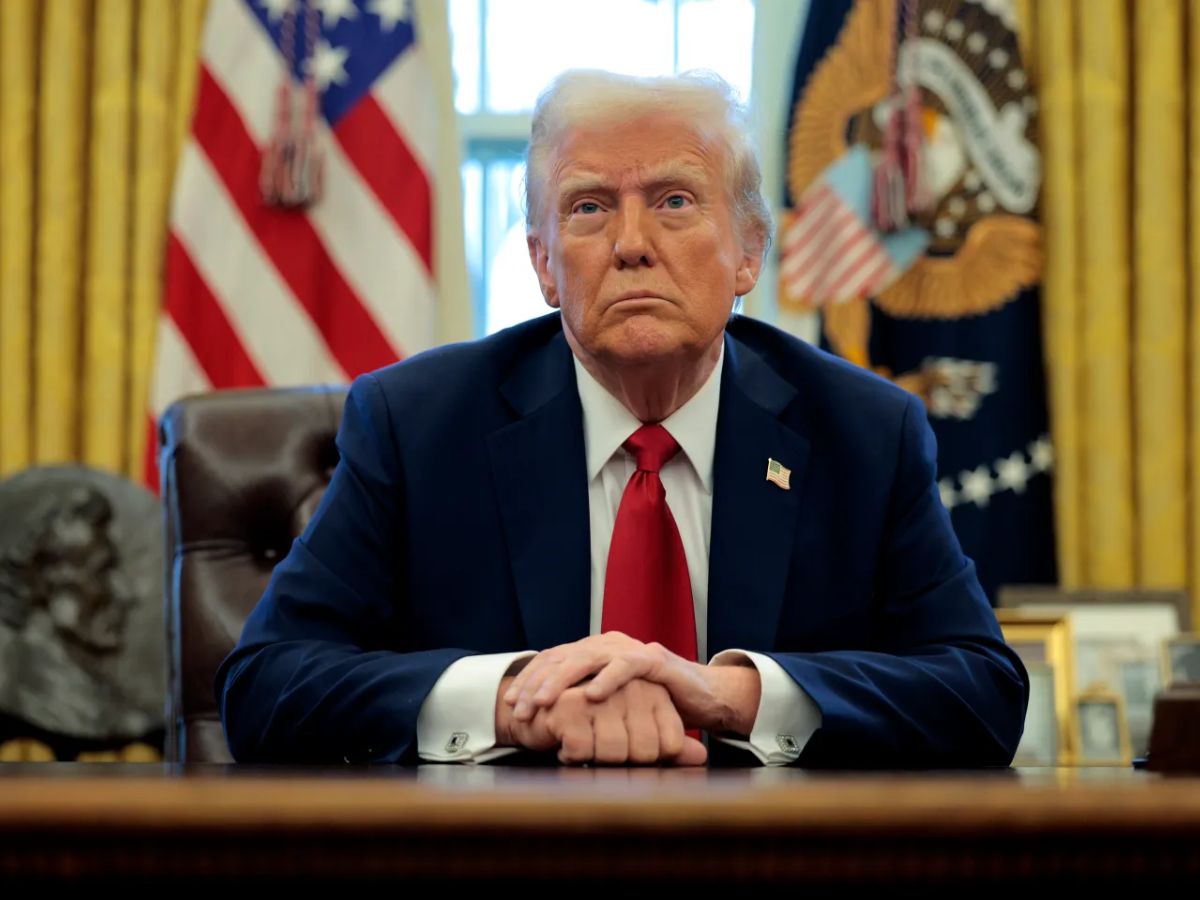
Imports into the United States fell by 8.4% year-over-year in June, according to data released Friday by the National Retail Federation (NRF). This decline surpassed earlier forecasts, signaling a growing strain on retailers as President Donald Trump’s sweeping tariff policies take effect.
NRF reported that U.S. ports handled 1.96 million 20-foot equivalent containers (TEUs) in June, a slight 0.7% increase from May but significantly below expectations. Initially, the trade group predicted 2.06 million TEUs for June, which was a 5.9% increase from May but a 3.7% decrease from the previous year.
Looking ahead, NRF anticipates that import cargo volume at major U.S. container ports will finish 2025 about 5.6% below 2024’s levels, suggesting ongoing disruption tied to tariffs and trade uncertainties.
Tariffs Intensify Supply Chain Challenges
Several tariffs ranging from 10% to 50% on imports from countries including India, Brazil, and Switzerland went into effect as of August 7, marking a major escalation in Trump’s trade policy. Since April’s “Liberation Day” announcement of a baseline 10% tariff, the administration has frequently adjusted rates, temporarily easing tensions with China in May but resuming hikes in July.
Retailers are already feeling the impact. Due to tariff-related difficulties, apparel firms such as Deckers Outdoor and Under Armour have diversified their supply chains to avoid areas affected by tariffs. To cut costs, many now source or transport commodities through Southeast Asian nations like Vietnam.
Also Read: Trump’s Billion-Dollar Ultimatum: Will UCLA Pay the Price to Reclaim Federal Funding?
Retailers Warn of Higher Prices and Reduced Holiday Options
Jonathan Gold, NRF’s vice president for supply chain and customs policy, highlighted the uncertainty that tariffs create for retailers trying to schedule their holiday stock. He cautioned that rising tariffs will push prices higher for consumers, reduce product variety, and disrupt availability during the critical shopping season.
“Tariff uncertainty complicates forecasting for holiday orders and shipments,” Gold said. “As tariffs increase, consumers will ultimately face higher prices and less choice.”
Gold also emphasized the broader economic risks, warning tariffs could slow hiring, cut business investment, and hamper overall economic growth.
Calls for Stable, Binding Trade Agreements
The NRF and retail leaders call for binding trade agreements that lower tariffs and open markets, rather than raising barriers that hurt consumers and businesses. In order for businesses to plan efficiently and maintain the flow of commodities, they implore politicians to establish clarity and stability.
In light of inflation concerns and a recovering economy, analysts warn that U.S. consumers may have to deal with a season of higher prices, fewer products on store shelves, and limited economic momentum if such actions are not taken.