
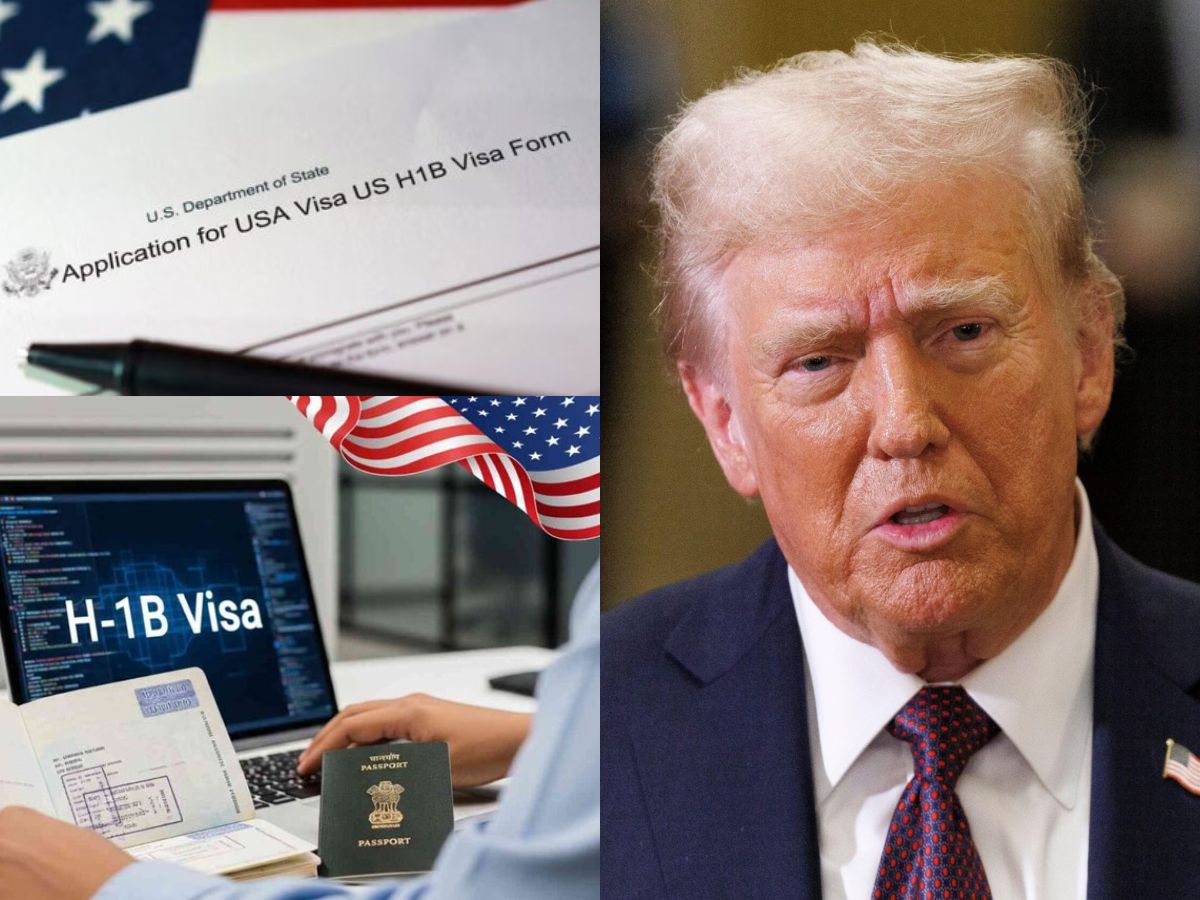
The US government under Trump has introduced a sweeping new visa policy. It orders consular officers to reject visa applications from anyone who worked in online content moderation, fact-checking, or trust & safety roles. The move threatens to block many skilled tech workers, especially those from India, from US entry.
New US Visa Rule: What does the Visa Directive Say?
Under the new guideline, any applicant linked to “censorship or attempted censorship of protected expression in the United States” can be denied a visa. That includes individuals who moderated or fact-checked user content, flagged misinformation, or enforced compliance with online safety rules.
The directive spans all visa types, work, tourist, or journalist visas, but its greatest impact likely lies on H-1B visas, which tech professionals commonly use. Consular officers will examine applicants’ work history, publicly visible social-media profiles, and even LinkedIn pages for signs of involvement in content moderation or “online-safety” operations. If they detect such activity, they may reject the visa application.
New US Visa Rule: Who Will Be Hit the Hardest?
Tech professionals from countries such as India face a heavy blow. Many Indian workers in global tech companies handle content moderation, compliance, trust & safety, and user-safety roles serving customers worldwide. Under the new rule, these individuals could find the US off-limits.
The changes may also affect journalists, translators, and freelancers whose work touches on content oversight or fact-checking. Even roles aimed at combating harassment, child-safety abuses, or hate speech — often lauded as socially responsible work — may now be grounds for denial.
New US Visa Rule: Adm Justifies Move as Free Speech Protection
According to a State Department policy note, the administration frames the ban as a defense of free expression on US soil. A spokesperson reportedly argued the US will not “allow foreigners to lead this type of censorship” and that permitting such roles would “insult and injure the American people.”
Supporters say the policy prevents overseas actors from determining what Americans can and cannot see. But critics warn the move conflates necessary content-safety work with “censorship,” endangering efforts to fight child abuse, fraud, hate speech, and other harmful content.
New US Visa Rule: Warnings From Tech & Safety Experts
Industry officials and online-safety professionals fear dire consequences. Many warn that this ban could cripple global trust-and-safety operations at social-media and tech firms. These operations often rely on staff around the world — including India — to monitor content, enforce rules, and protect users from harmful materials.
One safety executive said she was “alarmed that trust and safety work is being conflated with ‘censorship.’” She added that such jobs are vital for protecting children, preventing scams, and ensuring secure online spaces — work that now risks being blocked from US access.
New US Visa Rule: What’s Next? Impact on Visas, Workforce & Content Safety
- H-1B & tech visas shrink: Skilled Indian tech workers may lose a major route to US jobs.
- Content-safety teams suffer: Global trust-and-safety workforces may shrink, weakening moderation standards.
- Journalists & fact-checkers at risk: Foreign journalists covering US digital media may face new entry barriers.
- Broad ripple effects: The ban may deter global talent from working in content moderation — increasing load on remaining staff and slowing down fight against online abuse.