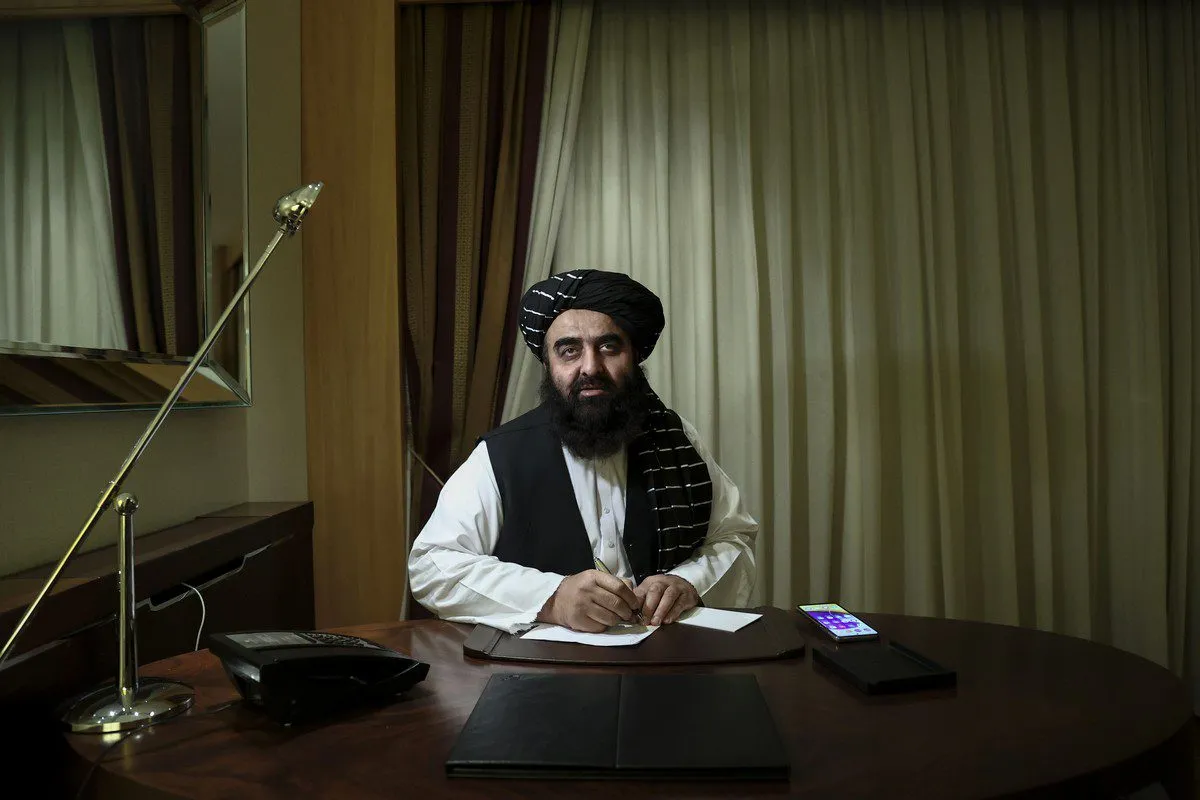
The unexpected cancellation of Foreign Minister Amir Khan Muttaqi’s visit to Islamabad, Pakistan, was precipitated by the U.S.’s failure to grant approval for a United Nations Security Council (UNSC) travel exemption. Therefore, it was but an abrupt halt to the strengthening of ties between the two countries after Deputy Prime Minister Mr. Ishaq Dar’s recent visit to Kabul, which was brokered through China.
Sanctions and Travel Bans
Accordingly, under UNSC Resolution 1988 (2011), internationally sanctioned persons linked to the Taliban, including Mr. Muttaqi, are subjected to travel bans unless specifically exempted by the sanctions committee.
Diplomatic sources told Dawn that the Washington decision was delayed until the very last minute when it directly turned down the waiver for Mutakki, thereby officially canceling the August 4 visit.
ALSO READ: SIGAR Final Report: Taliban Has Stripped Afghan Women of Their Rights
Strategic Concerns Drive Decisions
Reports suggest that growing concerns over Taliban alignment with China influenced the U.S.’s position. This strategic concern seems to have been a significant aspect in Washington’s refusal to endorse the travel exemption, notwithstanding other ongoing diplomatic maneuverings in the region.
Official Responses and Ambiguity
While the U.S. State Department refused to comment on this case, they called in the questions “rumors.”
There was no explicit acknowledgment by the Pakistan Foreign Office of any U.S. role, only procedural issues cited for the delay. Spokesperson Shafqat Ali Khan stated that once procedural matters are settled, Islamabad looks forward to hosting Muttaqi.
Global Tensions at the UNSC
The event also highlights broader tensions and disagreements in the UNSC sanctions committee, particularly with respect to the U.S., which usually pits its interests against those of China and Russia. Washington has pushed for tough sanctions; the latter two have proposed easing travel restrictions for Taliban officials in a bid to further their conflicting geopolitical interests.
Unsurprisingly, this halted visit reflects the precarious balancing act in international diplomacy vis-a-vis Afghanistan‘s future and the power games between global players vying for influence in the region.
ALSO READ: US Report: Taliban Stripped Afghan Women of Basic Rights