A fresh diplomatic rift has opened between the United States and Europe after Washington imposed visa bans on five European citizens linked to efforts against online hate and disinformation.
The move has sparked sharp reactions across the European Union, France, Germany, and the United Kingdom, raising fears of a deeper transatlantic divide over free speech, tech regulation, and digital governance. The decision has turned a long-running policy disagreement into a political flashpoint.
Why Did the US Impose Visa Bans on Europeans?
The US administration announced the visa bans on December 24. It accused the five individuals of supporting censorship and unfairly targeting American technology companies.
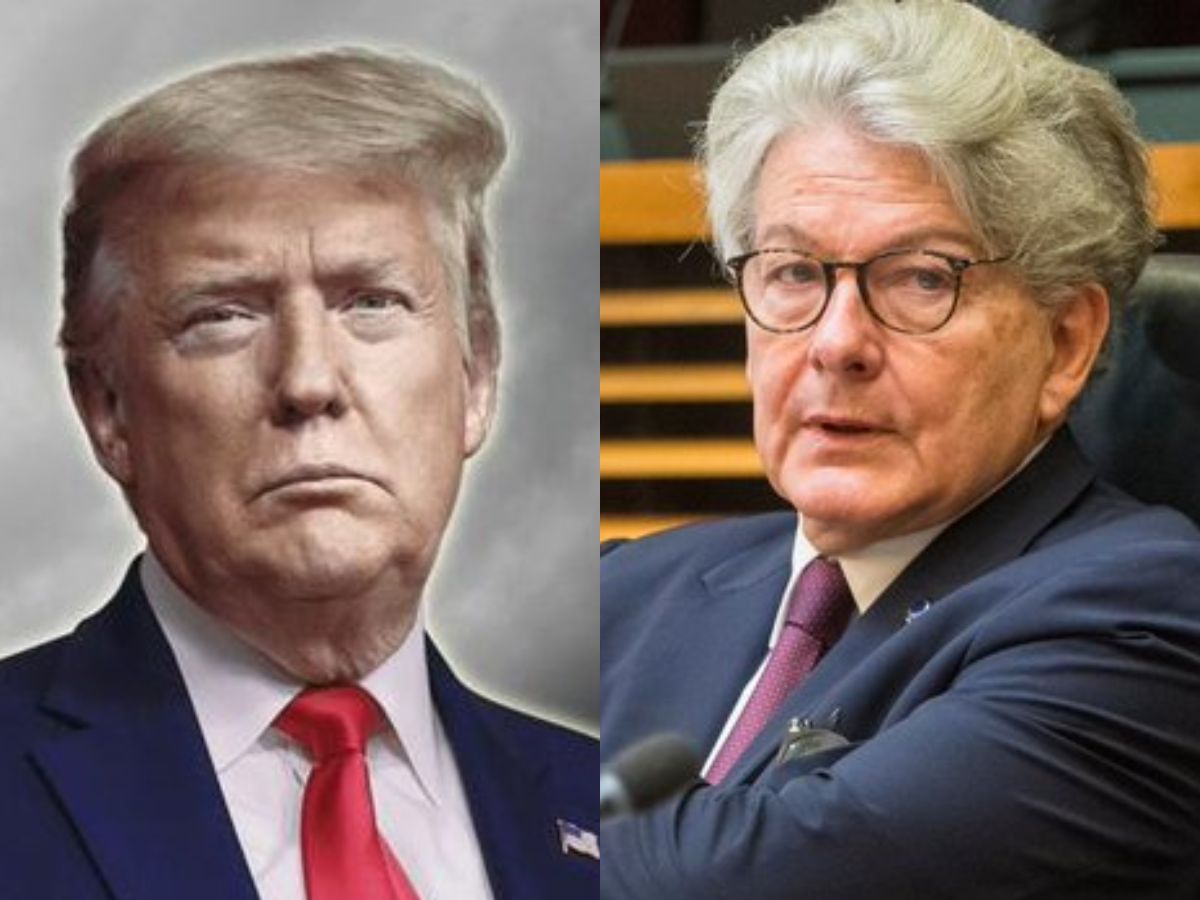
Among those targeted is Thierry Breton, former European Union internal market commissioner and a key figure behind strict EU digital laws. US officials claim these regulations restrict free speech and place heavy compliance burdens on US-based tech firms.
Washington has increasingly criticised Europe as over-regulated and hostile to free expression, especially online.
Who is Thierry Breton and Why is He Targeted?
Thierry Breton served as the EU’s internal market commissioner from 2019 to 2024. He played a central role in shaping the Digital Services Act.
The law forces online platforms to remove illegal content, including hate speech and child sexual abuse material. European leaders see it as essential for public safety. The US administration sees it as censorship.
Tensions worsened after European regulators fined Elon Musk’s X platform €120 million for breaking content moderation rules.
Europe Pushes Back: ‘We Will Not Give Up’
European leaders responded swiftly and strongly. A European Commission spokesperson said the bloc “strongly condemns the US decision,” adding, “Freedom of expression is a fundamental right in Europe and a shared core value with the United States across the democratic world.”
The spokesperson warned that the EU could “respond swiftly and decisively” to what it called “unjustified measures.” French President Emmanuel Macron also spoke out in support of Breton. “We will not give up, and we will protect Europe’s independence and the freedom of Europeans,” Macron wrote on X.
Germany and the UK React to US Visa Ban
Germany said the visa bans were unacceptable. The justice ministry backed the two German activists targeted and defended their work against online hate.
“Anyone who describes this as censorship is misrepresenting our constitutional system,” the ministry said. “The rules by which we want to live in the digital space in Germany and in Europe are not decided in Washington.” The UK also criticised the move while reaffirming its commitment to free speech.
“While every country has the right to set its own visa rules, we support the laws and institutions which are working to keep the internet free from the most harmful content,” a British government spokesperson said.
Free Speech or Political Pressure?
Beyond regulation, analysts see the visa bans as a political signal. They reflect Washington’s growing frustration with Europe’s independent digital policies. A spokesperson for the Global Disinformation Index called the decision “an authoritarian attack on free speech and an egregious act of government censorship.”
“The Trump Administration is, once again, using the full weight of the federal government to intimidate, censor, and silence voices they disagree with,” the spokesperson said. “Their actions today are immoral, unlawful, and un-American.” The dispute now risks reshaping how allies cooperate on technology, democracy, and online safety.