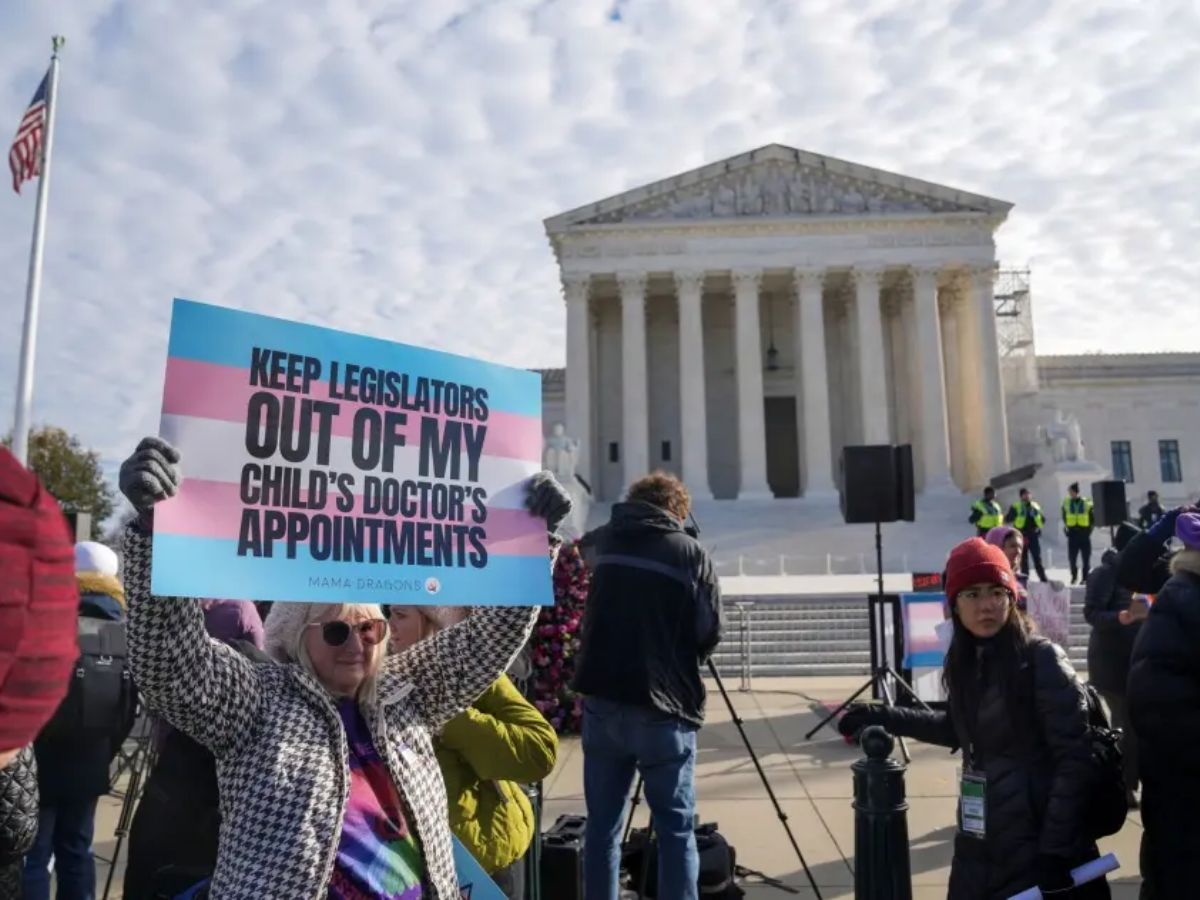
The U.S. Department of Health and Human Services (HHS) unveiled sweeping regulatory proposals Thursday that would effectively bar access to gender-affirming medical care for transgender minors nationwide, using the financial leverage of federal healthcare programs to enforce the restriction. The proposed rules would cut off Medicare and Medicaid funding to hospitals providing such care to children and prohibit federal Medicaid dollars from covering these treatments, marking the Trump administration’s most aggressive federal action on the issue to date.
What Specific Treatments Would the HHS Proposal Restrict?
The proposed rules target the core medical interventions for treating gender dysphoria in minors. According to the federal notice, the restrictions would apply to:
- Puberty Blockers
- Hormone Therapy
- Surgical Interventions
The funding prohibitions would extend to the State Children’s Health Insurance Program (CHIP), threatening the financial viability of hospitals that provide this care. “This is not medicine, it is malpractice,” HHS Secretary Robert F. Kennedy Jr. stated. “Sex-rejecting procedures rob children of their futures.”
How Would This Impact Hospitals and State Programs?
The financial threat is significant because nearly all U.S. hospitals participate in Medicare and Medicaid. For hospital operations, losing access to these payments could have disastrous consequences. Access in almost two dozen states where such therapies are still permitted and occasionally paid by state Medicaid plans may be impacted by this federal action, which might supersede state regulations.
Key Immediate Impacts:
- Hospitals face a choice between offering care and losing vital federal reimbursements.
- Many providers have already halted services in anticipation of the rules.
- State Medicaid programs using federal funds would be forced to exclude this coverage.
What Other Regulatory Actions Were Announced?
Secretary Kennedy announced a multi-pronged approach beyond funding cuts. In a significant policy shift, the HHS Office of Civil Rights will propose a rule excluding gender dysphoria from the federal definition of a disability under anti-discrimination law.
Simultaneously, the Food and Drug Administration (FDA) issued warning letters to a dozen companies, including GenderBender LLC of California and TomboyX of Seattle, marketing chest-binding garments. The FDA stated these products can only be legally marketed for approved uses like post-mastectomy recovery, not for managing gender dysphoria.
How Does This Conflict with Established Medical Guidance?
The proposed rules directly contradict the positions of every major U.S. medical association, including the American Medical Association (AMA) and the American Academy of Pediatrics. These groups contend that legislative or regulatory prohibitions are detrimental to patient health and defend age-appropriate, customized, gender-affirming care as medically essential and evidence-based.
Care for minors typically involves extensive psychological evaluation and social transition; medical interventions like puberty blockers are reversible, and surgeries are exceedingly rare for patients under 18.
Also Read: India Shuts Visa Centers in Bangladesh, Summons Envoy Over Security Concerns
What is the Legal and Political Context?
This HHS action is part of a coordinated push from the Trump administration and congressional Republicans. It follows an executive order recognizing only two sexes and efforts to bar transgender athletes from school sports. On Wednesday, the U.S. House passed a bill that could imprison healthcare providers for treating transgender minors.
Currently, 27 states have laws restricting or banning this care, though federal judges have struck down bans in Arkansas and Montana. The proposed HHS rules are not yet final and will undergo a formal public comment period, with immediate legal challenges expected from civil rights and medical groups. However, experts warn the announcement alone will further chill healthcare provision for transgender youth across the country.