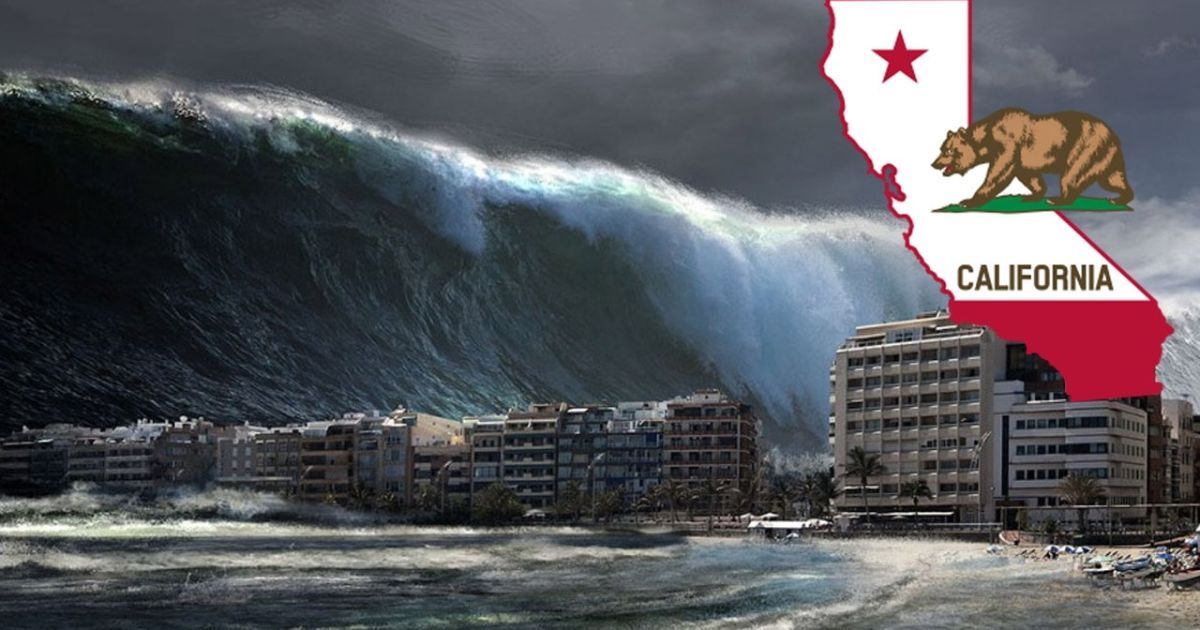
Tsunami waves were reported to have reached California late Tuesday, after a huge 8.8-magnitude earthquake off Russia’s Kamchatka Peninsula. The waves have already hit Hawaii and Alaska earlier during the day. Water levels increased in Crescent City, close to the Oregon border, by late evening as more than 1-foot waves were reported. The National Weather Service (NWS) reported that the first wave struck California.
Further waves were predicted to occur after midnight, with Southern California harbours such as Los Angeles, Newport Beach, La Jolla, and Oceanside to experience the brunt in the early morning hours on Wednesday. NWS specialists cautioned that the impact of the tsunami may be felt for several hours, or even more than a day, depending on wave patterns.
Wave Timeline Along California Coast
After travelling thousands of miles from the Pacific, the tsunami arrived first at California’s northern shore. Crescent City measured high water marks, with confirmation of waves a foot or more high. These heights are set to increase.
According to the National Weather Service’s most recent forecasts, Los Angeles Harbour might experience waves by 1:00 AM PDT, Newport Beach and La Jolla at around 1:10 AM PDT, and Oceanside at 1:15 AM PDT
Emergency authorities stay on high alert as these moments draw near. Authorities are keeping a close eye on wave pattern shifts through ocean gauges and tide sensors.
Not Just One Wave: Tsunami to Linger
Dave Snider, the coordinator of tsunami warnings at Alaska’s National Tsunami Warning Centre, explained that a tsunami is always multiple waves. “It’s a series of strong waves over a long time,” he explained to the Associated Press. He described tsunami waves as propagating at jet-like speeds over deep ocean water. But once they reach coastal areas, they slow and pile up, increasing coastal flooding danger.
Snider said the ocean will keep “moving back and forth” for hours. That sustained movement boosts the risk for harbour-side and low-lying communities. Some coastal areas may still feel the effects well into Wednesday.
Vulnerable Coastal Infrastructure in the Spotlight
The tsunami has renewed controversy about California’s ageing coastal infrastructure. Although the West Coast tends to prepare for seismic activity, its preparedness for long-duration wave threats is mixed. Small ports, beach communities, and waterfront structures are at increased risk from even slight sea surges.
Crescent City, for example, has experienced tsunami damage in the past—in 2011, a port there was badly damaged by waves from the Japan earthquake. California’s ports, piers, and evacuation plans must change to accommodate extended wave activity and increased ocean levels, experts contend.
Pacific Still Under Watch
As tsunami waves are active and aftershocks are still probable, the National Weather Service remains on the lookout. Warnings are still in effect throughout the Pacific basin. Hawaii and Alaska continue to report wave activity, and California is now completely in the cross-hairs of the active disturbance.
Although the greatest danger may subside by Wednesday afternoon, West Coast communities need to exercise vigilance. Authorities continue to urge evacuation of harbours, avoidance of beaches, and response to evacuation notices where necessary.