
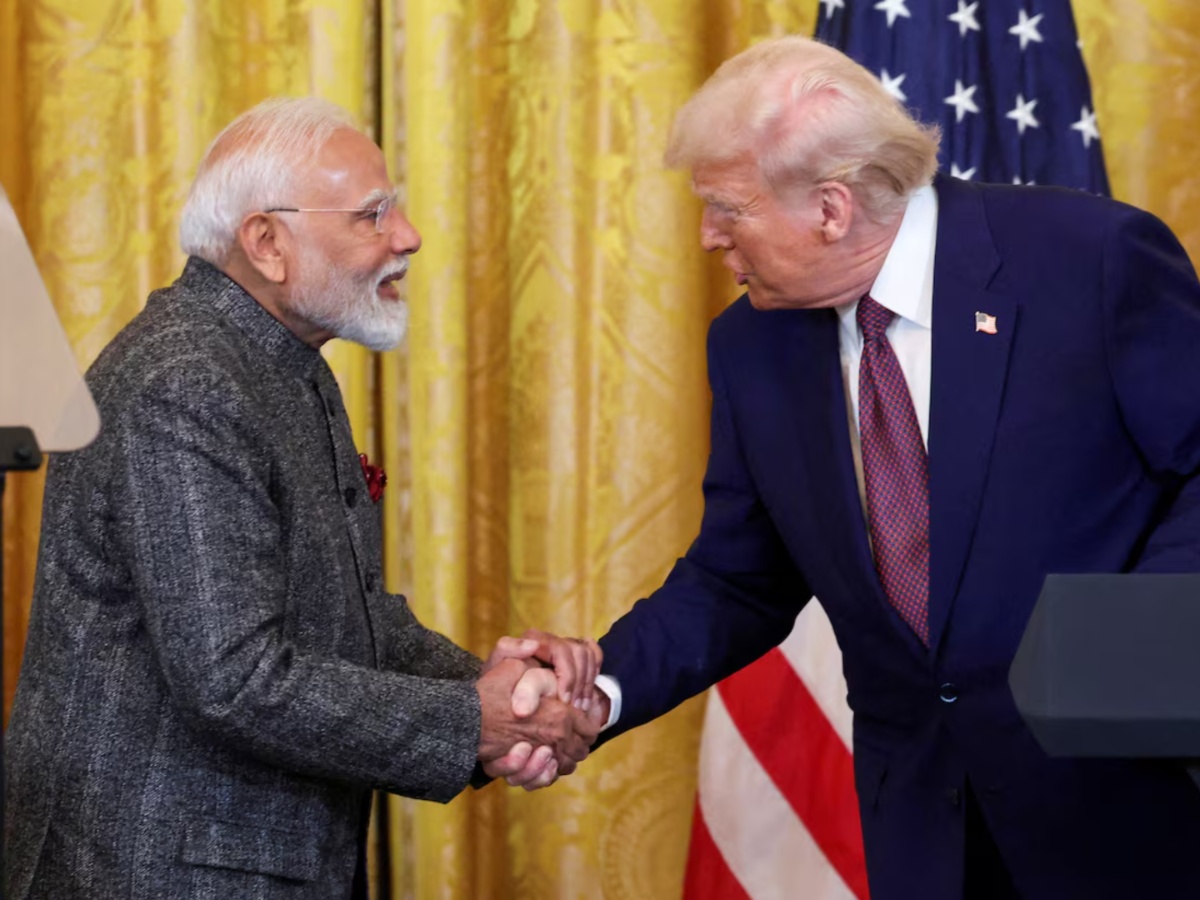
Donald Trump’s sharp attack on India’s trade practices has not only rattled New Delhi but also triggered a possible thaw between India and China. By announcing a 25% tariff and threatening harsher penalties over India’s oil trade with Russia, Trump has jeopardized a bilateral relationship that took two decades to build, and his remarks have stirred strong reactions from both India and China, who appear to be converging on a shared stance of defiance, as Trump alienates key allies, Beijing has shown public support for India’s position, pointing to a dramatic shift in regional alignments.
What Trump Said and Why it Matters?
The controversy began when Trump accused India of having “strenuous and obnoxious” trade barriers and imposed a 25% tariff. He followed it up by calling India a “dead economy” and condemned its defense ties with Moscow. Trump claimed India is Russia’s biggest energy buyer besides China and warned of “substantially” higher tariffs over oil imports from Russia.
Trump’s tone was confrontational. He insisted that India takes more from the US than it gives. He even told CNBC that America’s trade deficit with India and New Delhi’s “business with Russia” had forced his hand. Critics believe his aggressive stance is aimed at appeasing his MAGA voter base, which often blames Indians for job outsourcing.
Read More: India Not a ‘Dead Economy’, RBI Hits Back at Trump Amid Rising US Tariff Threats
India’s Strong but Measured Response
India responded with calm, but firm diplomacy and the Ministry of External Affairs called the tariff threat “unjustified and unreasonable.” It emphasized that oil imports were a necessity created by global market disruptions, not a political preference.
India also called out the West’s hypocrisy. The MEA pointed to Europe’s €67.5 billion goods trade and the US’s continued imports of Russian uranium, palladium and fertilizers. New Delhi reminded the world that the US initially encouraged Indian imports of Russian oil to help balance global markets.
China Aligns with India — for Now
China wasted no time in criticizing Trump’s coercive tone. Its foreign ministry issued a strong rebuke, saying, “Coercion and pressuring will not achieve anything.” Chinese diplomats highlighted America’s double standards, noting that the US also trades with Russia.
Chinese media backed India’s independent foreign policy. Tsinghua University’s Qian Feng noted India’s energy imports were economic decisions, not geopolitical defiance. He said India needs affordable energy and Russian oil suits that need best.
Is a Thaw in India-China ties Possible?
Tensions between India and China have remained high since the 2020 Galwan clashes. But Trump’s recent threats appear to have prompted a diplomatic shift. Both countries have restarted military talks, reopened the Kailash Manasarovar Yatra, resumed tourist visas and begun discussions on direct flights.
While mistrust remains, analysts believe a limited reset is underway. A Foreign Policy report suggests Trump may be warming up to Pakistan, causing India to recalibrate its China strategy. In turn, Beijing appears keen to distance New Delhi from Washington’s orbit.
The Road Ahead
It’s unclear if this India-China thaw will last. But Trump’s policy has certainly changed the status quo. He has pushed two adversaries into cautious engagement, while undermining America’s bond with a key Asian ally. As Trump doubles down, the world watches the diplomatic fallout reshape Asia’s future.
Read More: How Many Trump Towers Are in India? Real Estate Brand Expands Post-Presidency