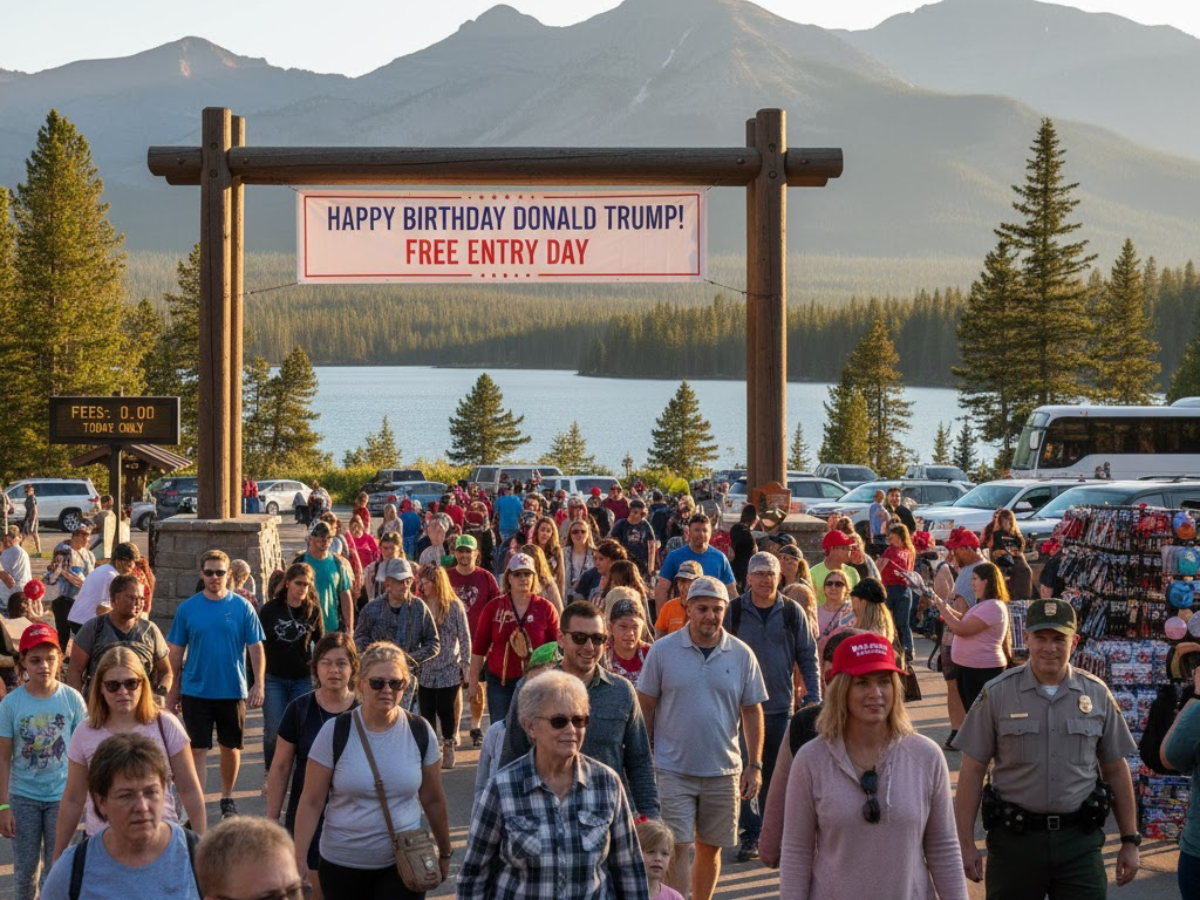
Beginning next year, Americans can visit some of the country’s most iconic national parks free of charge on President Donald Trump’s birthday. Places like the Grand Canyon and Yosemite will open their gates at no charge under a decision that mixes public outreach with political symbolism.
The United States has long granted free entry on days it connects to milestones over civil rights, but adding a president’s birthday is a shift in tone and intention.
Traditions Meet a New Political Era
For years, visitors could depend on fee waivers for Martin Luther King Jr. Day and Juneteenth, moments connected to the unfinished march toward equality for this country. This became a tradition imbued with a clear purpose: to acknowledge themes of social progress and collective memory.
Now, that slate of free-entry days is being revised. Starting January 1, the Trump administration will seek to tie national park access closer to patriotic themes and personal milestones linked to the president.
Rising Fees & Growing Concerns
The timing is controversial because the National Park Service plans to increase entrance fees. For U.S. residents, it will cost $80 per year by 2026; for nonresidents, the price will be $250.
ALSO READ: Fact Check: Will Trump Remove Kristi Noem? Reports Link Decision to Alleged Lewandowski Affair
On top of that, international visitors accessing many of the most popular parks will have to pay an additional $100 if they don’t have a pass. With over 330 million visits in 2024, some worry that increasing fees on top of symbolic actions will further the access gap rather than shrink it.
A Broader Push to Rebrand Public Symbols
The free-entry move fits into a wider trend. Recently, the White House floated the idea of naming a future NFL stadium for the Washington Commanders after Trump. A handful of Republican lawmakers even suggested putting his face on the $100 bill.
ALSO READ: Social Security December 10 Payments: How Much Will Retirees, SSDI & Survivors Receive?
The proposals reflect an effort to cement his image in American institutions but also expose a widening divide about what national symbols should represent.
Public Spaces & Public Values
National parks are among the few places where Americans from all walks of life gather with a shared purpose. Adjusting policies related to such places naturally stirs strong reactions. Supporters argue the changes highlight patriotism. Critics worry they shift attention away from the historical and cultural roots that earlier free-entry days honored.
As the country prepares for the fee increase, the conversation comes down to one simple question: What message should public lands send about who we are and what we value?
ALSO READ: Europe Rallies Behind Zelensky While Questioning US Proposal to End Ukraine War
Disclaimer: This article offers independent analysis of public policy changes and does not endorse any political figure or government decision.