
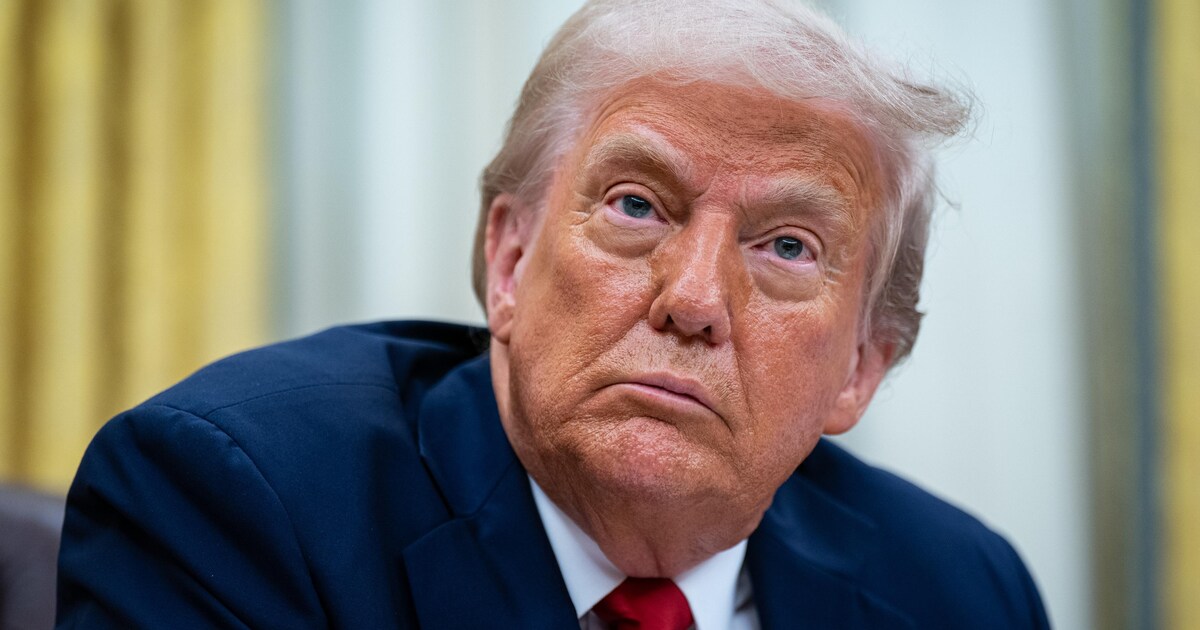
Trump imposed high duties on dozens of trading partners, including 35% on Canadian goods, 50% on Brazilian goods, 25% on Indian goods, 20% on Taiwanese goods, and 39% on Swiss goods.
Trump, the former president of the U.S., recently initiated a reciprocal tariff program that will change the tenor, ambience, and atmosphere of global trading negotiations as of August 7. From his vantage point, levies ranging from 10% to 50% on goods from over 70 countries are deemed very necessary to rectify the trade distortion in favor of other countries.
The executive order’s new tariffs, which range from 10% to 41%, will go into force in seven days. The ruling stipulated that a default 10% US import duty would be applied to any nation not included in an annex.
Meanwhile, the effects are already being felt; various economies are re-evaluating their trade positions and foreign ministries have been instructed to initiate diplomatic outreach to Washington.
Top 10 countries hit hardest
-
Syria – 41%
-
Laos – 40%
-
Myanmar (Burma) – 40%
-
Switzerland – 39%
-
Iraq – 35%
-
Serbia – 35%
-
Algeria – 30%
-
Bosnia and Herzegovina – 30%
-
Libya – 30%
-
South Africa – 30%
Targeting Political Pressure?
In contrast to trade measures conducted earlier that were considered in remedial blanket terms, now the tariffs seem to be purposefully tiered. Higher rates are imposed on allies India, Canada and Taiwan (25-35%) while lower penalties are attacked on countries willing to renegotiate their deals. Trump’s action shows a switch to transactional diplomacy, where trade is used as leverage to obtain geopolitical issues and concessions beyond the economic. This might create fissures among old allies that are already cautious about U.S. unpredictability in foreign policy, according to observers.
Impact on Global Supply Chains
The first to feel that heat are those economies that are export oriented. India, one of the main U.S. exporters of pharmaceuticals and IT goods, may find that price competitiveness is a hard thing to maintain. Canada, suffering under a 35% tariff, has termed the action ‘unprovoked’ and has indicated it will retaliate. The worry is protectionism will incite trade wars, creating instability for already fragile supply chains trying to recover from post-pandemic disruptions.
Other industry groups in the United States have raised legal challenges, arguing that the tariffs violate international norms and are an overreach of presidential power. A successful challenge could reverse these tariffs, which would be their ultimate undoing; until then, uncertainty is likely, so companies will adjust prices and source from other places to minimize damage. In the long term, this may produce regional trade alliances that steer clear of U.S. reliance altogether.
Trump affirmed that the US would continue to impose a 25% tariff on Mexican automobiles, a 50% tax on Mexican steel, aluminum, and copper, and a 25% tariff on commodities that are not included by the USMCA but are nevertheless subject to penalties linked to fentanyl.