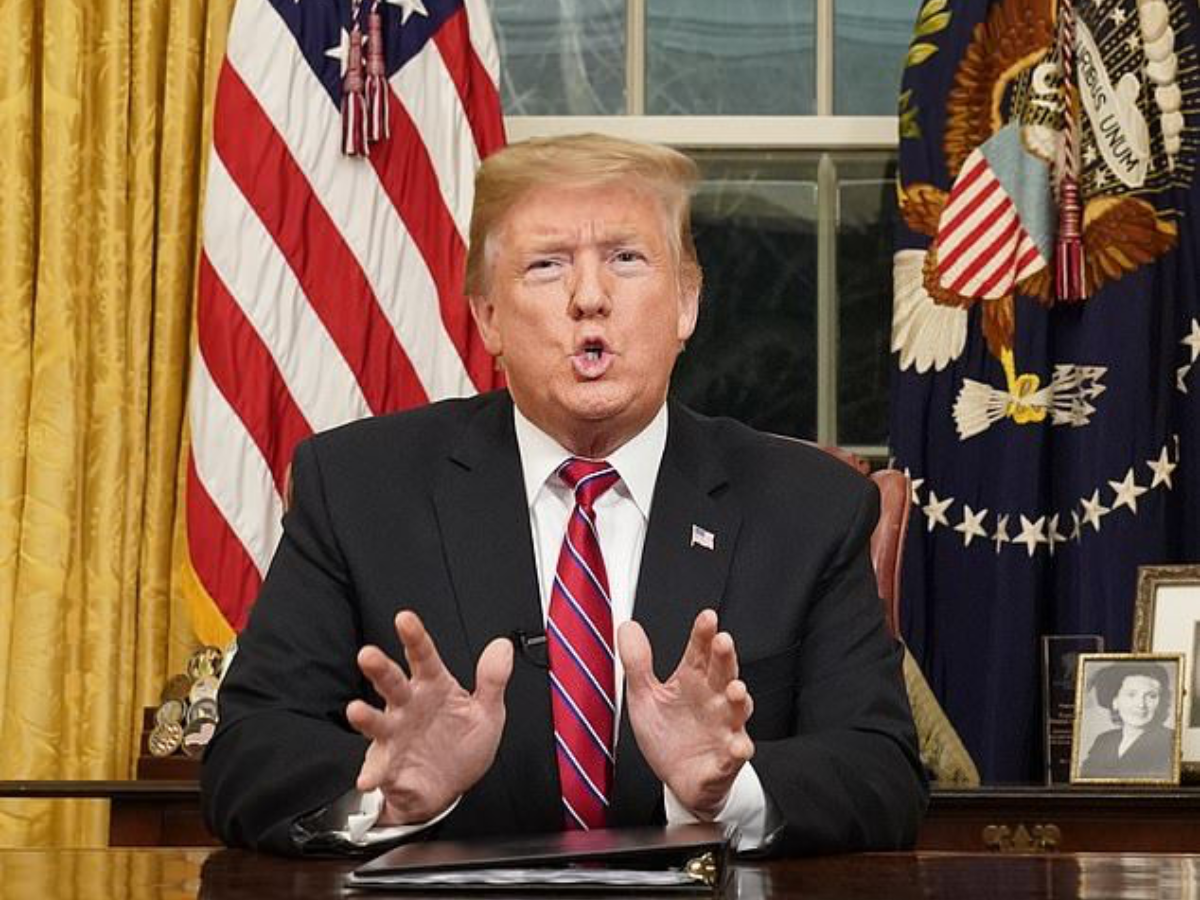
This rapid rise of AI has pushed governments around the world to reconsider how emerging technologies should be regulated. The debate has heated up in the United States after President Donald Trump announced his desire to centralize AI regulation under federal authority.
He says that if the nation wants to maintain its leading edge in the global competition over the technology, it needs a single national approach. This latest move signals urgency in Washington over AI leadership but also opens the door to new political friction, court challenges and questions about how innovation should be managed in a democracy.
What is the Push for a Single National Framework
In a post on his Truth Social account, Trump said he intends to sign an executive order that would bar individual states from creating their own rules for AI. He added that piecemeal regulations could slow development and erode the country’s competitive advantage.
ALSO READ: What is Dream Act 2025? Giving Permanent Residence to ‘Documented Dreamers’; Legal Status, Eligibility Process, & More
Trump declared that only one rulebook can protect the United States position at the forefront of AI innovation. Trump argues that allowing 50 different states to impose their own approval processes would undermine progress before the technology achieves its potential. The order is being framed as a preemptive move to ensure momentum in an increasingly fluid global environment.
Divisions in Congress & Growing Skepticism
Trump’s formula meets Capitol Hill resistance: Lawmakers from both parties have raised red flags on potential risks from the advent of AI, such as lost jobs, misinformation, privacy violations and social instability. Congress has already beaten back two attempts to permit federal preemption over state-level AI laws.
ALSO READ: Trump Imposes New Visa Ban on ‘Fact Checkers’ & ‘Content Moderators’, Indians Among Most Affected
To many legislators, states must be free to react to local concerns particularly when a new technology brings unpredictable consequences. For these elected policymakers, centralizing authority may seem less like a safety measure than a way to fast-track innovation without due accountability.
Repercussions on the Political Front & Legal Battles Ahead
The proposed executive order could stoke new political fights. States with stringent consumer-protection laws are likely to battle efforts to preserve their regulatory authority. Law scholars also foresee legal disputes over constitutional limits-to say nothing of federalism or federal vs. state authority.
As the administration argues that national leadership in AI demands consistent rules, critics view federal overreach as an invitation to undermine accountability. The coming months may shape not only how the United States regulates AI but how it balances innovation with democratic checks and public trust.
Disclaimer: This article is for informational purposes only and does not represent legal or political advice. Interpretations of policy developments may evolve over time.