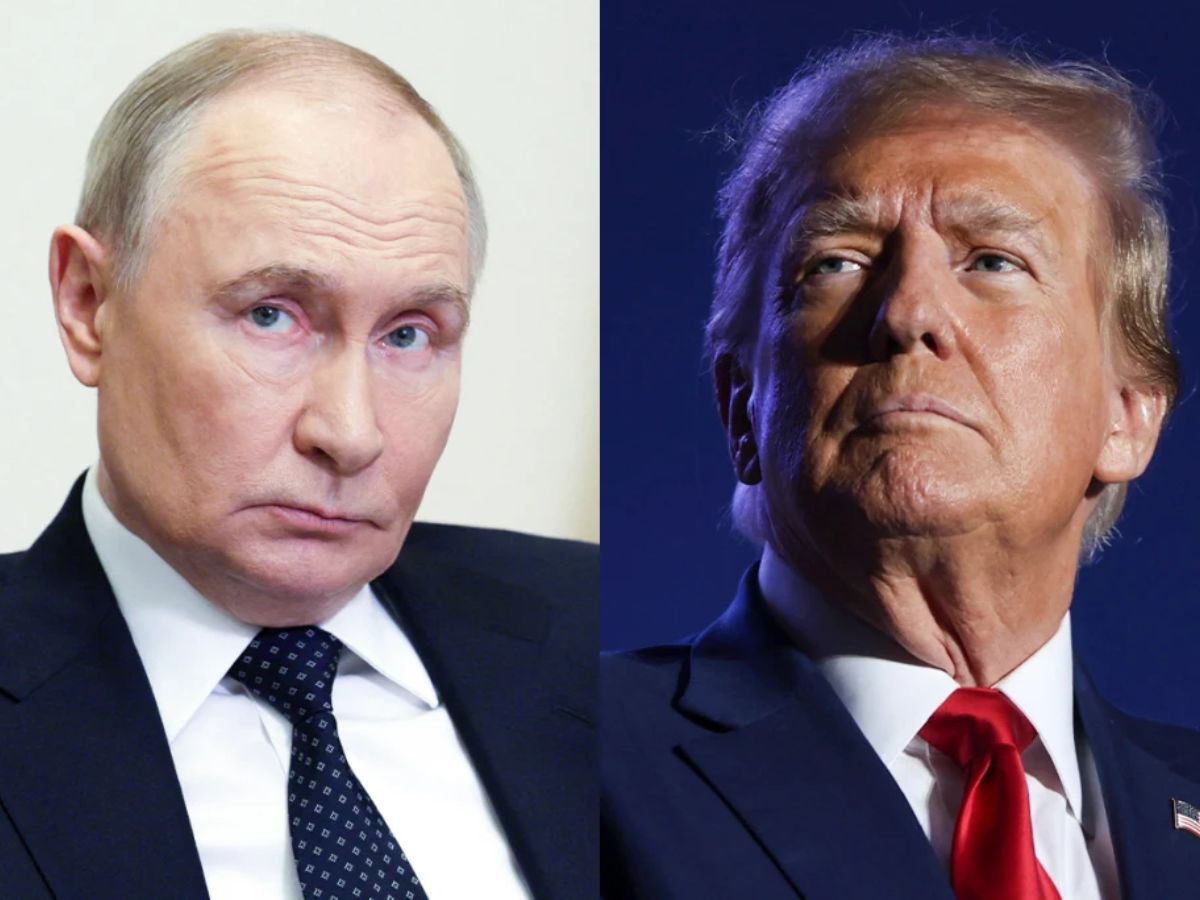
The Alaska meeting between US President Donald Trump and Russian President Vladimir Putin carried great expectations but delivered little. It was the first in-person engagement between the leaders of the two countries since Russia’s full-scale invasion of Ukraine in 2022. Many hoped the talks would set the stage for a ceasefire or at least outline a framework for peace.
Instead, the summit ended early and without a concrete deal. Both leaders spoke of “progress,” but neither explained what that meant. For Putin, just standing on US soil again was a victory. For Trump, it was a chance to claim statesmanship. For Ukraine, it was another day of war without relief.
Trump Sets the Stage in Alaska
The summit opened with heavy symbolism. Fighter jets flew overhead. A red carpet stretched across the tarmac. The slogan “Pursuing Peace” greeted the delegations. Trump framed it as his chance to bring peace where others had failed. For Putin, the reception marked his return to the US after a decade and years of global isolation.
ALSO READ: Putin Gains Recognition — Did Trump Come Back Empty-Handed From Alaska Summit?
The choice of Anchorage was also deliberate. The US is not a member of the International Criminal Court, so Putin faced no risk of arrest despite an active ICC warrant over war crimes. But as the leaders exchanged smiles, reports of Russian drone strikes in Ukraine reminded the world that war raged on.
Inside the Closed-Door Talks
The meeting format changed at the last minute. Originally billed as a one-on-one with interpreters, both sides brought senior aides into the room. US Secretary of State Marco Rubio and envoy Steve Witkoff joined Trump, while Putin came with his top officials. The discussion lasted under three hours, shorter than expected.
Trump claimed many points had been agreed upon, though he refused to name them. Putin echoed him, saying the two had paved a path to peace. Still, no ceasefire emerged. Trump later shifted responsibility toward Ukrainian President Volodymyr Zelenskyy, saying Kyiv needed to “make a deal.”
Putin’s Symbolic Victories
Although no deal came, Putin walked away with wins. He stood again on US soil, shaking hands with the American president. Russian state media celebrated the moment as proof that Moscow had broken through isolation.
He also deepened his rapport with Trump, who described their relationship as “fantastic.” Putin even rode briefly with Trump inside the presidential limousine, “the Beast,” a powerful symbol of trust. By leaving Alaska without concessions, Putin showed strength at home and abroad.
ALSO READ: Why Trump Applauded Putin Three Times on the Red Carpet in Alaska ?
Trump’s Political Gains
Trump used the summit to push his political narrative. He dismissed investigations into Russian interference in 2016 as a “hoax.” He positioned himself as the only leader who could bring Putin to the table.
Even without a ceasefire, he argued progress had been made. Putin invited him to Moscow, and Trump responded with interest, hinting at a possible follow-up summit. That invitation, if accepted, would be historic and controversial.
Ukraine Left Waiting
The biggest loser was Ukraine, Zelenskyy was not invited to Anchorage and watched events unfold from Kyiv. He warned that Moscow had no real intention to end the war. During the summit itself, Russian forces launched new attacks.
Trump said he would call Zelenskyy later, but he made it clear that compromise was necessary, even on territorial questions. Putin, however, still refuses to negotiate directly with the Ukrainian leader. For now, Ukraine faces the same reality: more fighting, more uncertainty, and no ceasefire.
ALSO READ: Did Putin Send a ‘Body Double’ for Alaska Summit With Trump?
Next Steps for Ukraine
The Alaska summit ended without peace but not without impact. Putin returned to global relevance. Trump gained political theatre. Ukraine remained in limbo.
The world saw history in the handshake and the limo ride, but no roadmap to end the war. For now, Trump’s own words linger: “There’s no deal until there’s a deal.”