US-EU Negotiations
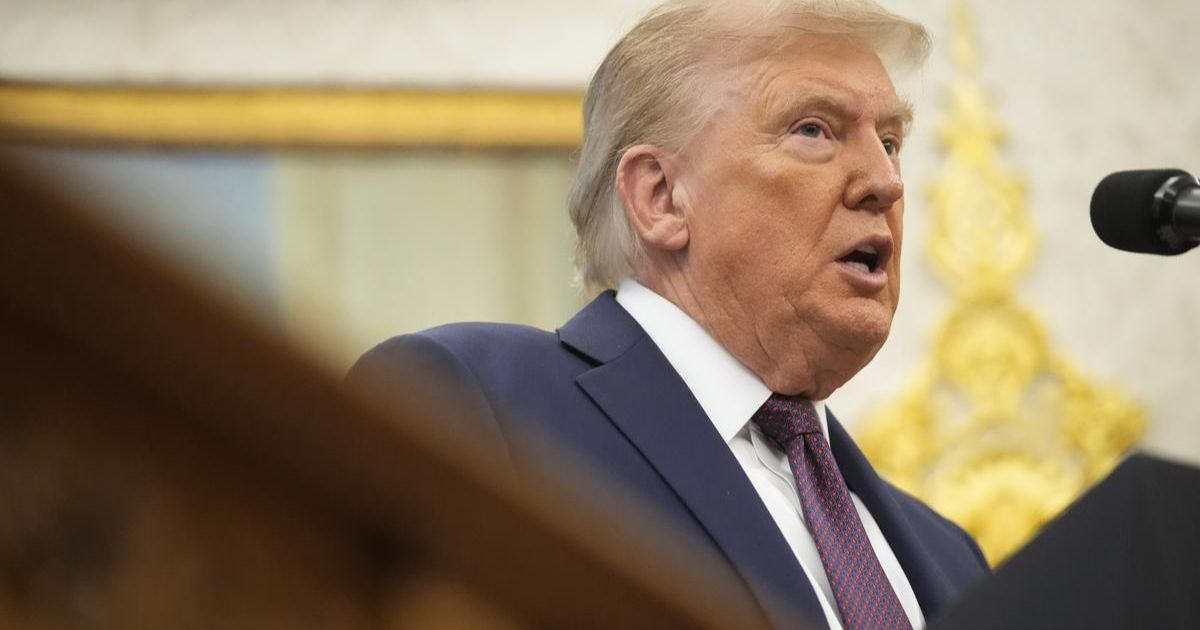
US President Donald Trump on Tuesday called on European Union officials to look for the possibility of putting tariffs of as much as 100% on China and India as part of a bid to isolate Russia’s economy during its ongoing invasion of Ukraine. The call was made in a conference call with EU sanctions envoy David O’Sullivan and other officials, a US source and an EU diplomat said.
Trump’s proposal would mark a departure from the EU’s long-standing policy of targeting sanctions over broad trade barriers and could fundamentally change global economic relations if adopted. The US said it would do the same on its own if the EU agreed to move, a sign that there might be a collective move toward more aggressive measures against Russia backed nations.
China and India Push Back
China quickly dismissed the notion, with its foreign ministry declaring itself against using tariffs as economic leverage and protesting being mentioned in connection with Russia. India, the other major buyer of Russian oil, also stands to suffer heightened tensions in international trade if the proposal goes through.
Trump has at one point threatened tariffs against both countries for their imports of Russian oil, although only small hikes on India some 25 percentage points have been enacted so far. China and India’s energy imports are still key to continuing Russia’s revenue flows, which are supporting its current war against Ukraine that broke out in 2022.
ALSO READ: Trump Tariffs: US Supreme Court To Decide Legality Of Tariffs, Billions At Stake
Balancing Trade and Diplomacy
Later on Tuesday, Trump put the message toward India, hinting at potential trade expansion between the US and India and painting efforts to roll back trade barriers. He spoke of looking forward to talks with Indian Prime Minister Narendra Modi, indicating that economic pressure is an option but cooperation is possible as well.
The initiative emphasizes Trump’s constant emphasis on aggressive economic action as a foreign policy instrument in contrast to Europe’s need for selective sanctions. It further emphasizes the complex global dynamic of energy dependency, trade, and diplomacy in the midst of the conflict in Ukraine.