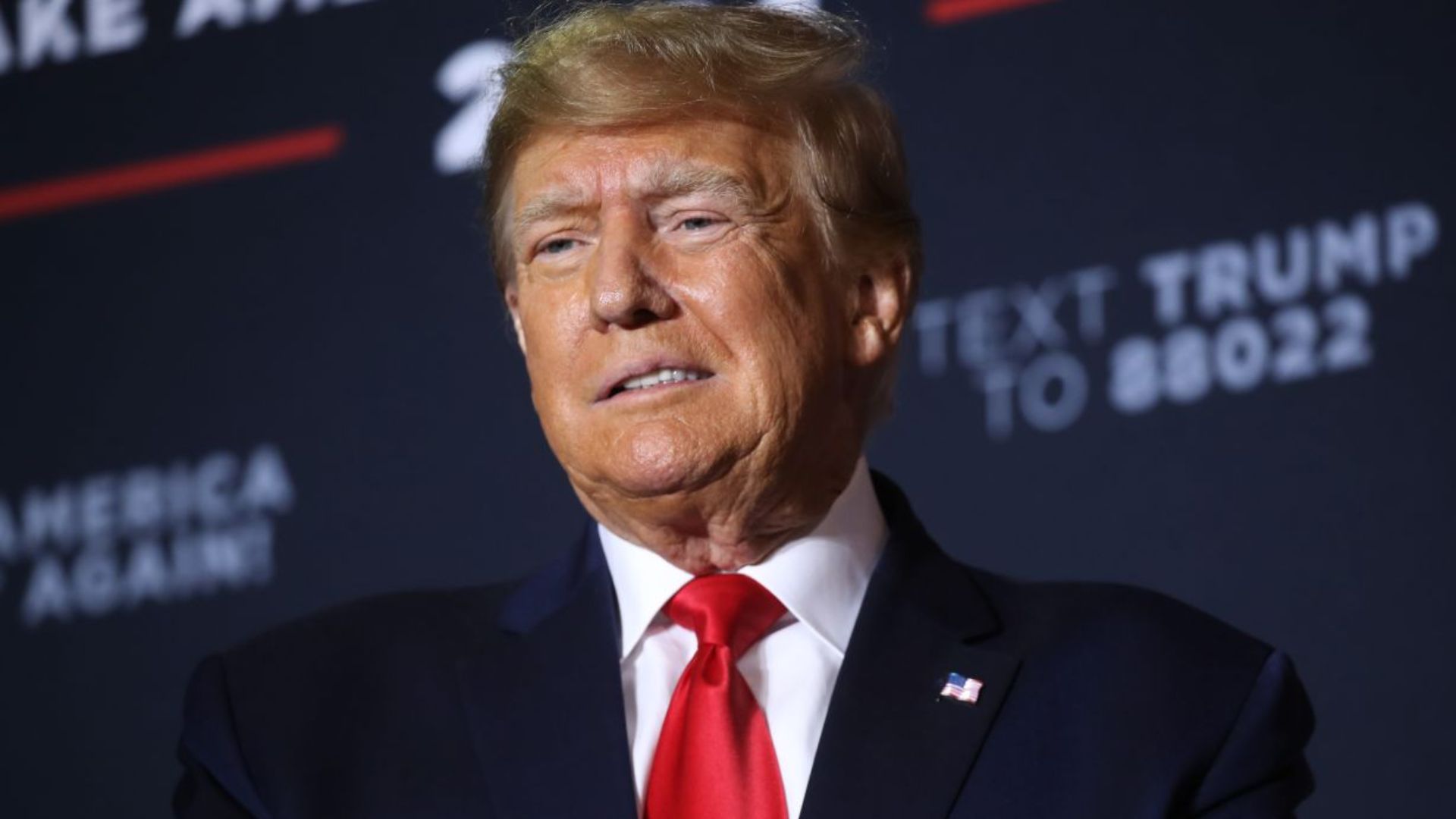
US Senator Lindsey Graham has revealed that former President Donald Trump is planning strict economic action against countries that continue to purchase oil from Russia. In an interview with Fox News, Graham said Trump wants to impose a 100 per cent tariff on oil-related imports from India, China, and Brazil.
Targeting Russian Oil Revenues
Graham explained that these three countries are buying most of Russia’s crude oil and, in doing so, are indirectly funding the war in Ukraine.
“Trump is going to impose tariffs on people that buy Russian oil – China, India, and Brazil,” he said.
According to Graham, these nations are responsible for about 80 per cent of Russia’s oil exports. That revenue, he claimed, is helping Russian President Vladimir Putin to continue the war against Ukraine.
Holding Nations Accountable
Graham described Trump’s plan as a way to hold nations financially responsible for supporting Putin’s regime.
“President Trump’s going to put a 100 per cent tariff on all those countries, punishing them for helping Putin,” he declared.
He warned that countries choosing to side with Russia would suffer serious economic consequences.
“You have played President Trump at your own peril. You made a major league mistake, and your economy is going to continue to be crushed,” Graham said.
Military Support for Ukraine
While discussing global reactions, Graham reaffirmed US commitment to Ukraine.
“We’re flowing weapons to Ukraine, so Ukraine will have the weapons to fight Putin back,” he said.
Accusations Against Putin
Graham also accused Putin of trying to rebuild the Soviet Union by forcibly taking over nearby countries.
“Putin is trying to reclaim countries that are not his,” he stated.
He criticised Putin for breaking international promises and ignoring peace deals.
A Broken Promise
Graham brought up a major past agreement involving Ukraine. In the 1990s, Ukraine gave up more than 1,700 nuclear weapons in return for a security pledge. Russia had promised to respect Ukraine’s borders and sovereignty.
“Putin shattered that promise,” Graham said, calling the act a betrayal of global trust. He described it as a direct attack on the post-Cold War peace system.