417
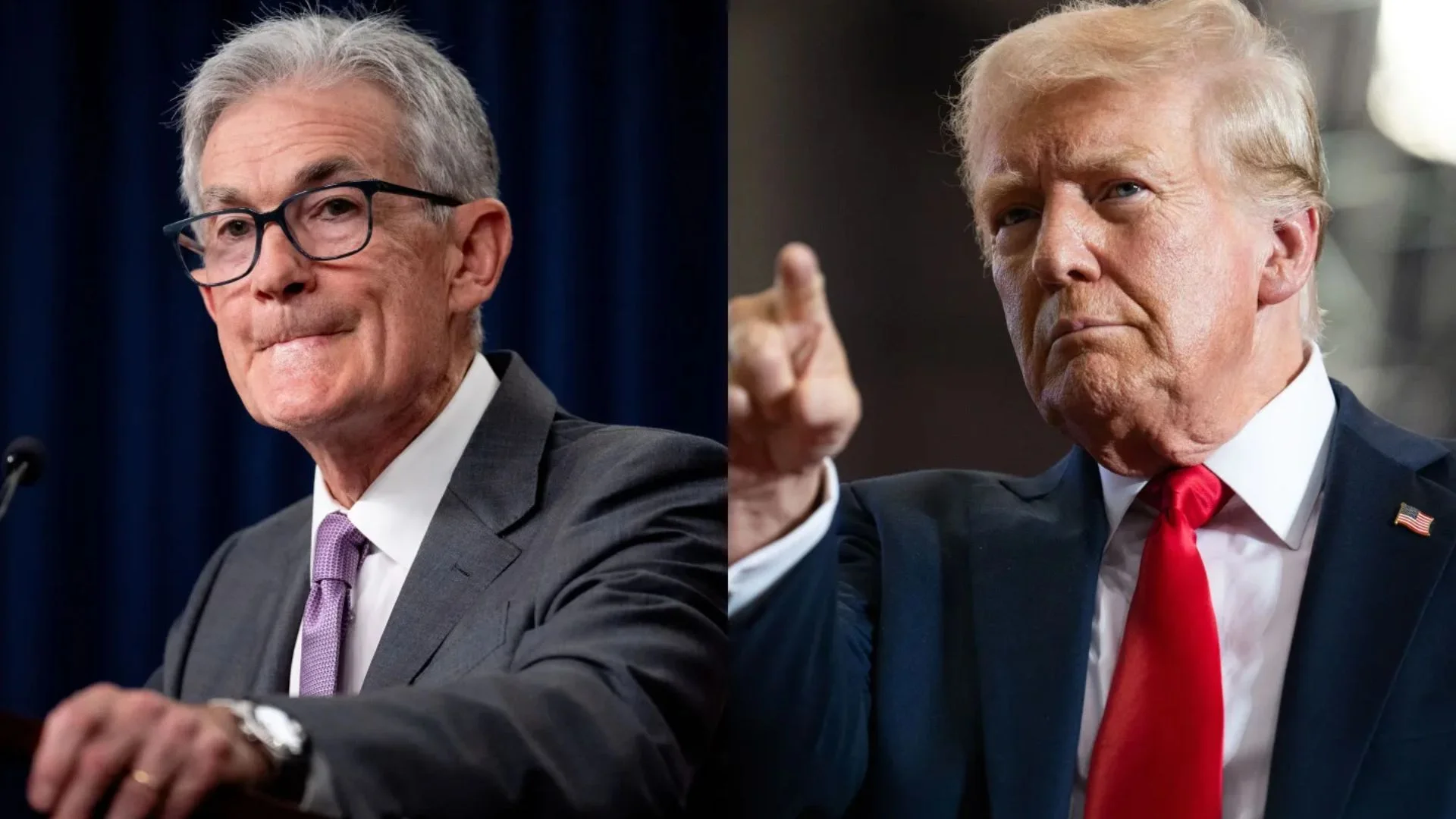
In a step that would overthrow over a century of tradition in central banking, US President Donald Trump is said to be planning to fire Federal Reserve Chairman Jerome Powell and install someone more supportive of his economic policies. If carried out, the move would be the first time in US history that a sitting president has ousted the head of the Federal Reserve, an office intended to function free from political interference.
As The New York Times and Bloomberg reports, Trump has talked with GOP lawmakers in private about firing the president and even presented them with a draft letter of termination. Trump voiced a strong interest in moving to fire Powell, according to sources, frustrated with the Fed’s unwillingness to lower interest rates as aggressively as he desires.
Whereas Powell has continually underscored the Fed’s adherence to evidence-based choices and its political independence, Trump has continually taken issue with him for failing to align monetary policy with the economic objectives of the administration. Ousting Powell would initiate shockwaves across financial markets worldwide and destabilize confidence in the stability of the US financial system.
Bloomberg also quoted a White House official as confirming the president’s intention and stating that some Republican members of Congress have expressed support for the proposal. If implemented, the action would substantially reduce the institutional autonomy of the central bank, opening the way to politically motivated economic policy.
Legally, the Federal Reserve Act permits the president to fire the Fed Chair “for cause,” although the law does not specify what would be such a cause. Legal history indicates that cause would involve inefficiency, neglect of duty, or misconduct and not policy differences. However, Trump can press on, reportedly believing that any attempt at legal challenge could be shut down by the Supreme Court, which is conservative in bent and not just three justices appointed under his first term.
Economists and analysts have sounded alarms over the implications of making such a move. Disrupting the Fed’s independence risks unstable monetary policy, which is more guided by political expediency than by long-term economic well-being.
As speculation mounts, markets are preparing for possible turmoil. Trump’s next step could establish a perilous precedent for presidential incursion into what has been historically regarded as a nonpartisan, technocratic agency vital to the economic stability of the United States.