436
The Trump administration’s broad reductions in US foreign aid have canceled dozens of water and sanitation projects worldwide, leaving unfinished critical infrastructure and vulnerable populations open to new risks, a Reuters investigation has found.
Interviews with 17 sources and internal reports indicate that at least 21 water and sanitation projects in 16 nations were left unfinished mid-construction. Most of these suspended projects were not previously made public. The cuts in funds, which started in January, resulted in contractors abandoning worksites, leaving half-excavated trenches, exposed materials, and unfinished systems that were supposed to bring clean water and sanitation to millions.
In Mali, water towers intended for clinics and schools have been abandoned. Nepal experienced more than 100 clean water projects cancelled, leaving 6,500 bags of cement and other materials stranded. Lebanon’s solar-powered water utility project was cancelled, laying off dozens and compelling utilities to use expensive diesel alternatives.
In Kenya’s Taita Taveta County, unfinished irrigation canals have heightened the community’s vulnerability to ruinous floods. Community leaders say it would take $2,000 twice the area’s average yearly income to lower the threat of the unplastered canal walls. “I am not protected from the flooding the canal will now bring,” 74-year-old farmer Mary Kibachia explained, whose mud hut was recently inundated with thigh-deep water.
The dismantling of USAID water and sanitation programs has undermined life-saving work in many conflict-ridden countries. In Congo, where civil conflict is continuing, derelict water kiosks are playgrounds for kids. Mother of nine Evelyne Mbaswa remembered that her adolescent son never came home after he went out to fetch water a sad result of weak infrastructure in an unsafe area.
The withdrawal of aid, critics say, can undo decades of development advances. For Mercy Corps CEO Tjada D’Oyen McKenna, the impacts extend beyond water: “This isn’t the withdrawal of aid it’s the unwinding of progress, stability, and human dignity.”
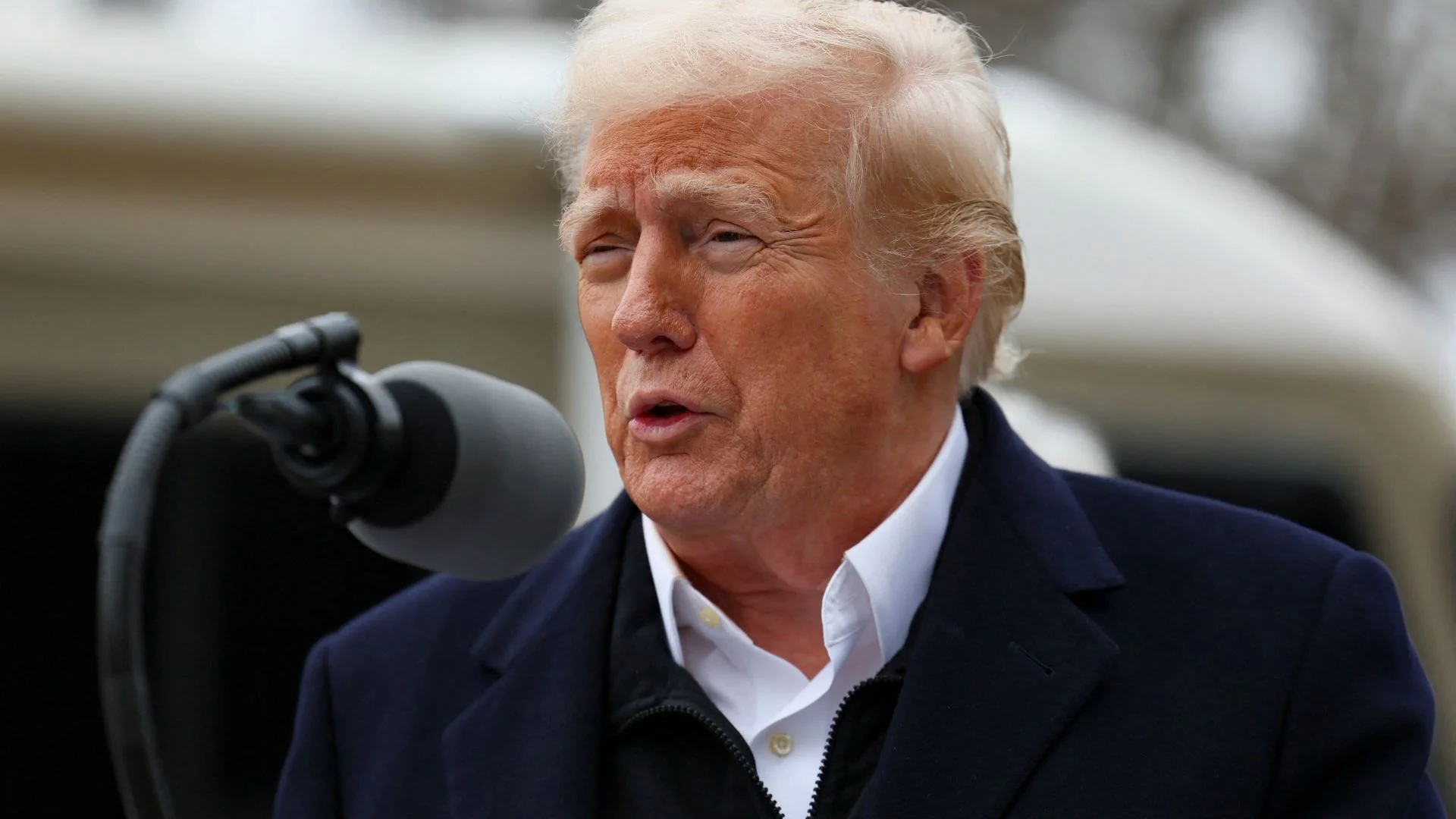
The Trump administration maintained its stance, claiming that American taxpayers’ money should be spent at home first, rather than overseas. But the reductions in foreign aid targeting a fraction of the $61 billion budget of US foreign assistance had disproportionate worldwide effect. Initiatives to assist 1.7 million individuals in nations such as Nigeria, Congo, and Afghanistan were stalled or cancelled.
Except for one, a $6 billion desalination plant in Jordan has been revived as the result of a diplomatic plea from King Abdullah. Still, projects pending before Ethiopia, Tanzania, and other countries hang in limbo.
Internal memos from the US embassy in Nairobi warn that unfulfilled US commitments could damage America’s credibility and potentially bolster extremist recruitment. In regions already grappling with terrorist threats, such as Kenya, the collapse of US-backed infrastructure may have far-reaching consequences.
Local leaders and locals alike now urge their governments and foreign donors to complete what the US began. In the meantime, vulnerable groups are still exposed to increased threats from illness and displacement to abuse and death all due to the water that never arrived.