
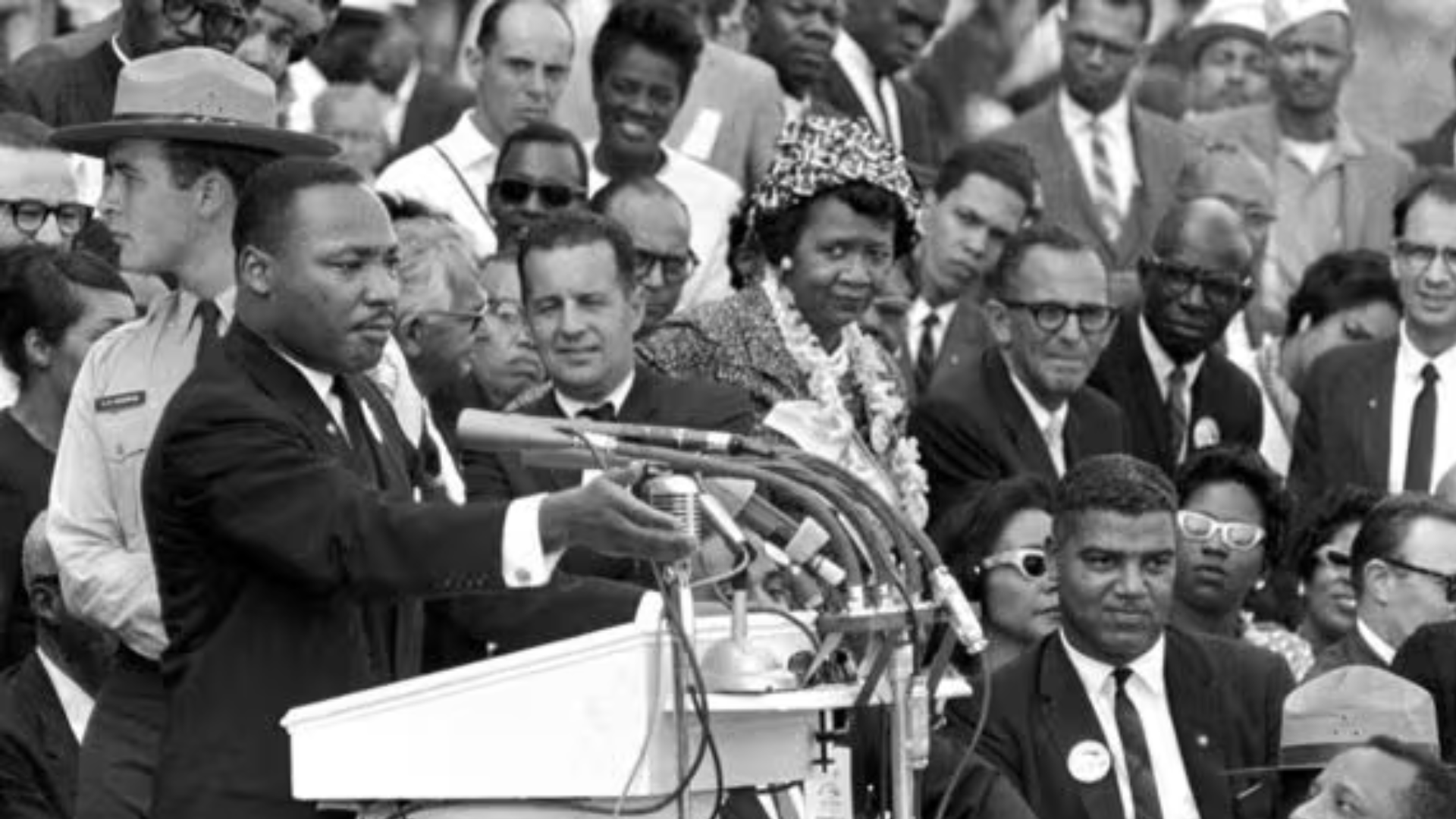
The Trump administration has made public a large collection of FBI surveillance records on Dr. Martin Luther King Jr., totaling more than 240,000 pages. These documents had been sealed since 1977 and stored at the National Archives for decades. They were released digitally, despite strong objections from King’s family and the Southern Christian Leadership Conference (SCLC), the civil rights organization he once led.
King Family Opposes Release
Martin Luther King III and Bernice King, the civil rights leader’s children, called the release a deeply personal and painful moment. They reminded the public that their father’s 1968 assassination still causes ongoing grief. In a statement, they urged readers to approach the files with “empathy, restraint, and historical context.”
The family previewed the documents before their release. They also repeated their belief that James Earl Ray, the man convicted of killing King, might not have acted alone or may not have been responsible at all.
At the time of their father’s death, Bernice was only five years old, and Martin III was ten.
A Controversial Decision
The declassification comes as part of a 2017 executive order from President Donald Trump, which directed the release of files connected to the assassinations of Martin Luther King Jr., John F. Kennedy, and Robert F. Kennedy.
Director of National Intelligence Tulsi Gabbard’s office described the move as “unprecedented.” While some see it as a step toward government transparency, critics argue it’s a distraction from ongoing controversies surrounding Trump, including his handling of the Jeffrey Epstein case.
Alveda King, MLK’s niece and a known conservative voice, thanked Trump for making the documents public. However, many civil rights figures, such as Reverend Al Sharpton, criticized the decision, calling it a political tactic rather than a genuine act of justice.
FBI’s History of Targeting King
The Southern Christian Leadership Conference strongly opposed the release. They highlighted the FBI’s troubling history of illegal surveillance and harassment campaigns against King and fellow civil rights activists.
Under the direction of J. Edgar Hoover, the FBI wiretapped King’s phone lines, planted listening devices in hotel rooms, and used informants to monitor and attempt to discredit his work.
King’s children condemned these actions. They described the FBI’s efforts as a “relentless and disturbing” attempt to ruin their father’s reputation and damage the wider Civil Rights Movement. While they support historical openness, they cautioned against using the files to rewrite history or spread misleading narratives about King.
King’s Broader Mission
In his final years, Martin Luther King Jr. extended his activism beyond racial justice. He began speaking out against the Vietnam War and focused on economic inequality. These positions made him unpopular among many political leaders and further raised suspicion from the FBI, which labeled him a threat to the political order.
King was assassinated in Memphis in 1968 while supporting striking sanitation workers. His final campaign reflected his deep commitment to both social and economic justice.