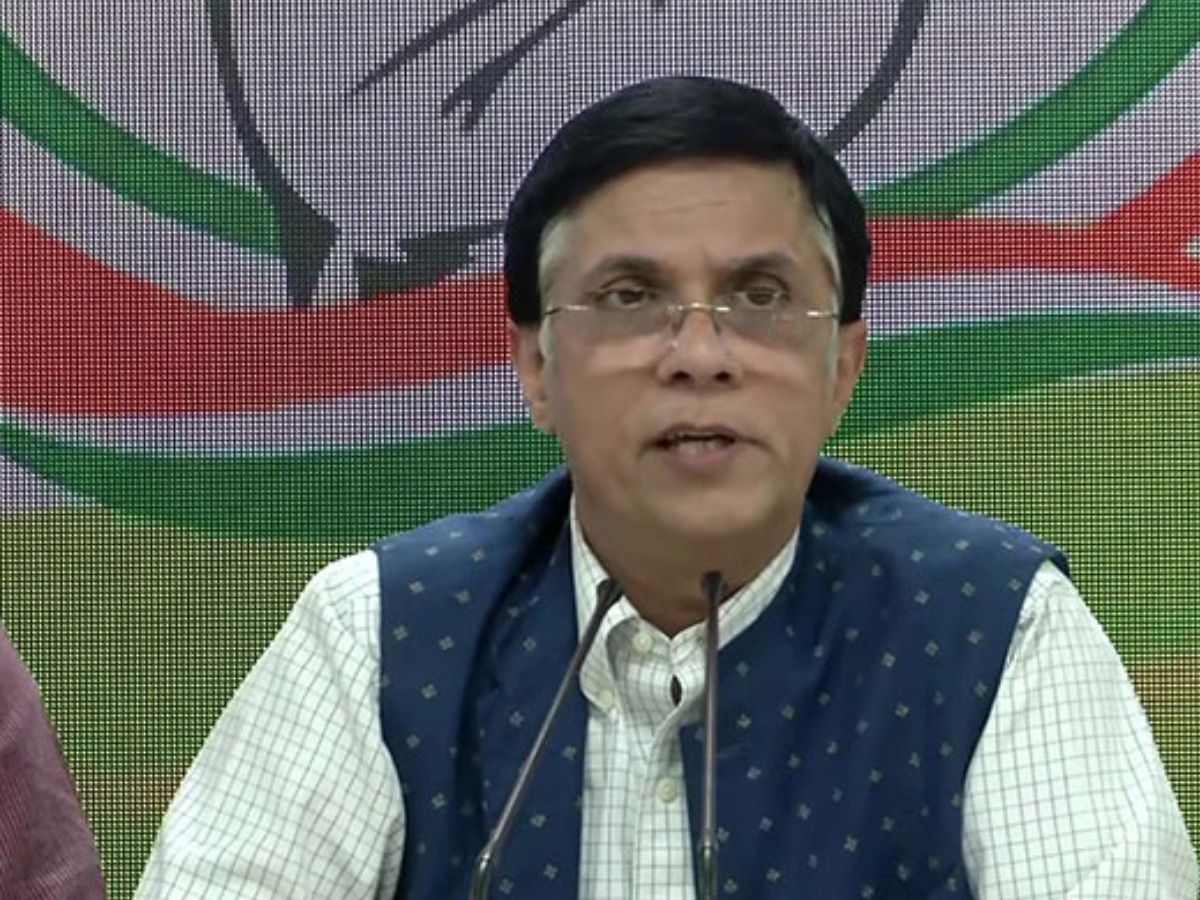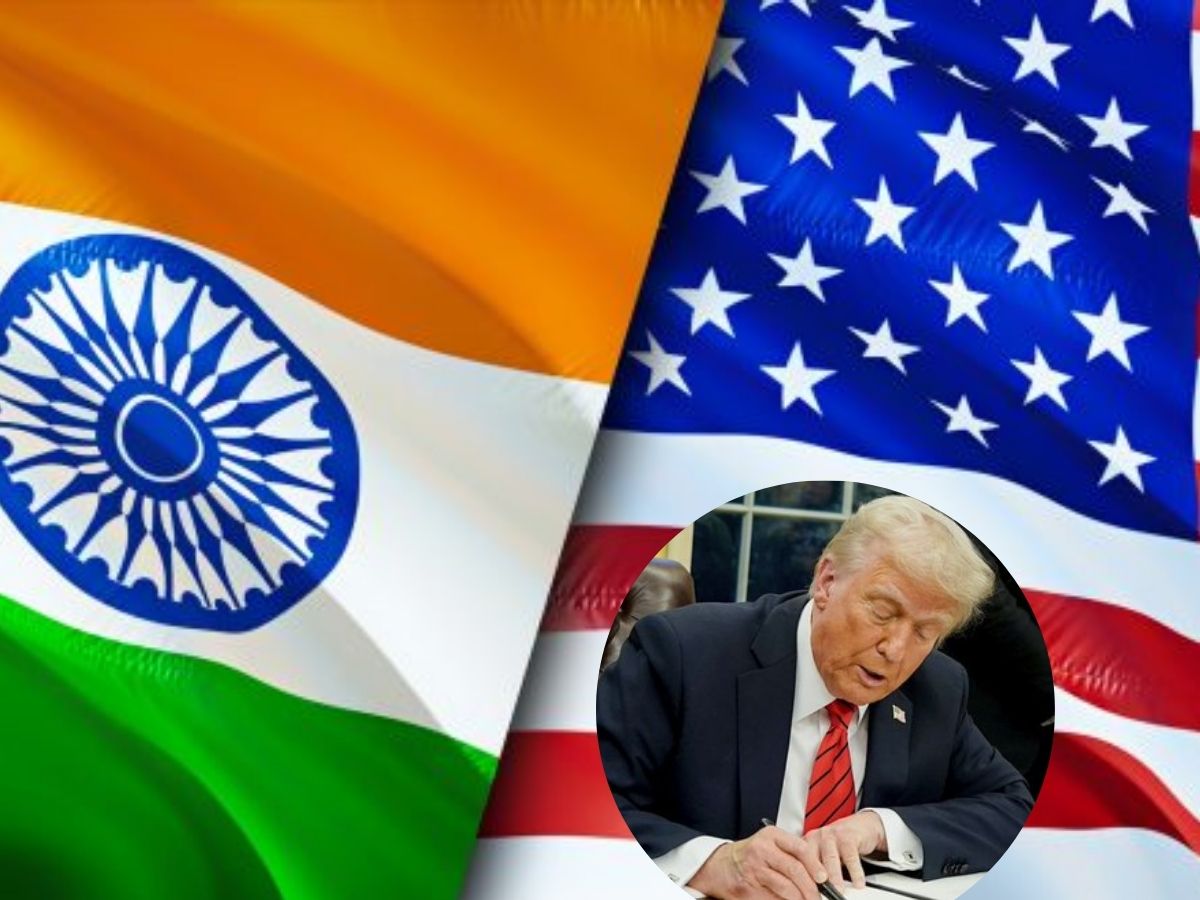
American economist Richard Wolff has strongly criticized the Trump administration’s decision to double tariffs on Indian imports, calling it a move that makes the U.S. look like the “world’s tough guy” while ultimately “shooting itself in the foot.”
The U.S. on Wednesday raised tariffs on Indian goods to as high as 50 per cent, citing New Delhi’s continued purchase of Russian oil. This now places India on par with Brazil among Washington’s most penalized trade partners. Economists warn the decision could slow growth, disrupt jobs, and increase costs for American consumers.
Wolff: Tariffs Will Push India Closer to BRICS
In an interview with Russia Today, Wolff argued that these tariffs will accelerate BRICS integration, saying: “If the United States shuts itself off to India by big tariffs, India will have to find other places to sell its exports. Just as Russia found another place to sell its energy, India will sell its exports no longer to the United States but to the rest of the BRICS nations.”
He stressed that India, now the world’s most populous country, has longstanding ties with Russia and growing clout in BRICS. Wolff added that Washington’s strategy may backfire, as it only strengthens alternative economic blocs. Journalist Rick Sanchez echoed Wolff’s view during the discussion, noting: “The world just changed.”
White House Advisors Target India
Meanwhile, White House trade advisor Peter Navarro went further, controversially calling the Russia-Ukraine war “PM Modi’s war.” He claimed India’s oil purchases from Moscow are forcing the U.S. and Europe to fund Ukraine’s defense. Navarro added, “Everybody in America loses because of what India is doing. Consumers and businesses lose, workers lose, because India’s high tariffs cause jobs, income and higher wages. The taxpayers lose because we have to fund Modi’s war.”
He also criticized New Delhi for being “arrogant” in prioritizing its own energy security and urged it to “side with democracies.”
India’s Response
New Delhi has rejected the U.S. tariffs as “unjustified and unreasonable,” stressing that it will take all steps to safeguard national interests. Officials argued that the move violates WTO principles and risks disrupting global trade rules. India may consider raising the issue at the WTO, as it has done in past disputes.
At the same time, policymakers highlighted India’s economic resilience, backed by strong foreign reserves, reforms, and rising FDI inflows. To reduce reliance on the U.S. market, India is deepening trade ties with Gulf nations, ASEAN, Africa, and BRICS partners, ensuring broader access for its exports.
An Indian official said, “India supports open trade but will not accept pressure that undermines our sovereignty.”
Also Read: US Democrats Slam Trump For Targeting India On Russian Oil While Sparing China
Impact on India and the U.S. Economies
The tariff hike is a double-edged sword:
-
For India: Losing U.S. market access could initially hurt sectors like textiles, IT, and pharmaceuticals, where America is a key buyer. However, it also creates urgency for India to diversify exports toward BRICS, ASEAN, and Global South markets.
-
For the U.S.: American consumers and businesses may face higher prices, while exporters risk losing footholds in India’s growing economy. Economists argue this weakens Washington’s long-term leverage.
India’s Trade Opportunities Beyond the U.S.
Despite the tariffs, India has strong alternatives:
-
BRICS Trade: India’s trade with BRICS members touched nearly $335 billion in 2023–24, with exports at $95 billion. This bloc offers a huge market for India to expand.
-
ASEAN Markets: India-ASEAN trade reached $131.6 billion, and India is pushing to close its export-import gap.
-
Energy Advantage: Russia now supplies around 40% of India’s crude oil, keeping input costs manageable and giving New Delhi leverage in negotiations.
-
Sectoral Expansion: India’s pharma exports one-third of which go to the U.S. can be scaled up in BRICS and Africa. Similarly, IT services, agri products, and auto components are in demand in Brazil and Southeast Asia.
-
Brazil and Others: India–Brazil trade continues to grow, crossing $16.8 billion in 2022, with steady expansion in chemicals, IT, and agricultural goods.
The U.S. tariffs on India may prove to be a strategic miscalculation. Instead of isolating New Delhi, they could push India deeper into alternative trade blocs like BRICS and ASEAN, where opportunities for growth are already rising. For India, this is a chance to widen its export horizons, while for the U.S., it risks losing influence in one of the world’s fastest-growing economies.
Also Read: US Warships And Submarine Near Venezuela: Stir Fears Of Hidden Agenda And Global Concern