
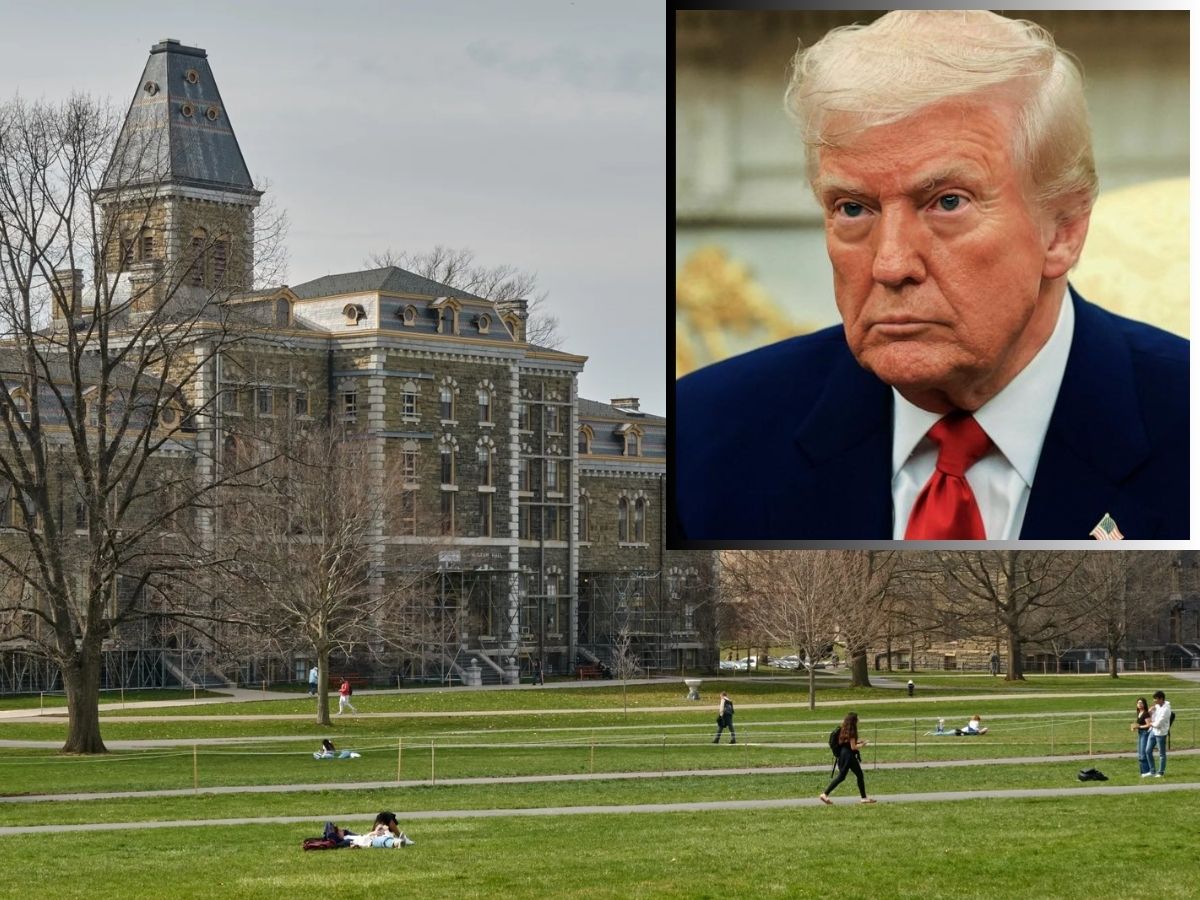
In a significant move that ends a high-stakes financial standoff, Cornell University has successfully negotiated a deal with the Trump administration to restore approximately $250 million in federal funding. This agreement makes Cornell the fifth major university, and the fourth from the Ivy League, to settle with the White House after it pulled funding from several prominent institutions. The resolution involves a substantial financial commitment from the university and firm promises from the government regarding academic independence.
What Was the Core of the Agreement?
The central terms of the deal are a careful balance of financial concessions and protected freedoms. The White House has agreed to release the $250 million in federal grants that it had previously frozen. In return, Cornell University has committed to a two-part financial package. First, the university will invest $30 million over the next three years specifically into agricultural research. Second, and more notably, Cornell will pay a separate $30 million directly to the U.S. government as a settlement to resolve pending claims of wrongdoing, becoming only the second school after Columbia University to agree to a direct fine.
Why is Cornell Calling This a Victory for Independence?
Despite the financial penalty, Cornell’s leadership is framing the agreement as a decisive win for the university’s self-governance. President Michael Kotlikoff emphasized this point in a letter to the university community. He stated that the deal explicitly recognizes Cornell’s right to independently set its own policies, make its own hiring and admissions decisions, and determine its curriculum without requiring government approval or facing intrusive monitoring. This aspect is crucial, as it distinguishes the deal from other settlements that imposed independent government monitors on campus activities.
How Did the White House Frame This Settlement?
The Trump administration hailed the agreement as a major victory for its broader reform agenda targeting higher education. A spokesperson for the administration, Liz Huston, released a statement celebrating the outcome. She declared that the deal is a sign that “academic excellence, merit, and accountability will continue to be restored across America’s universities.” This aligns with the administration’s stated campaign to pressure several elite universities into aligning with its principles by withholding critical federal research and operational funds.
What is the Bigger Picture Behind These Deals?
The Cornell agreement is not an isolated incident but part of a wider pattern. The Trump administration has deliberately paused federal funding to leading universities like Columbia, UPenn, and Cornell. This move pushed these institutions into negotiations. Though each agreement differs, together they mark a major change—linking federal aid to policy compliance and accountability.