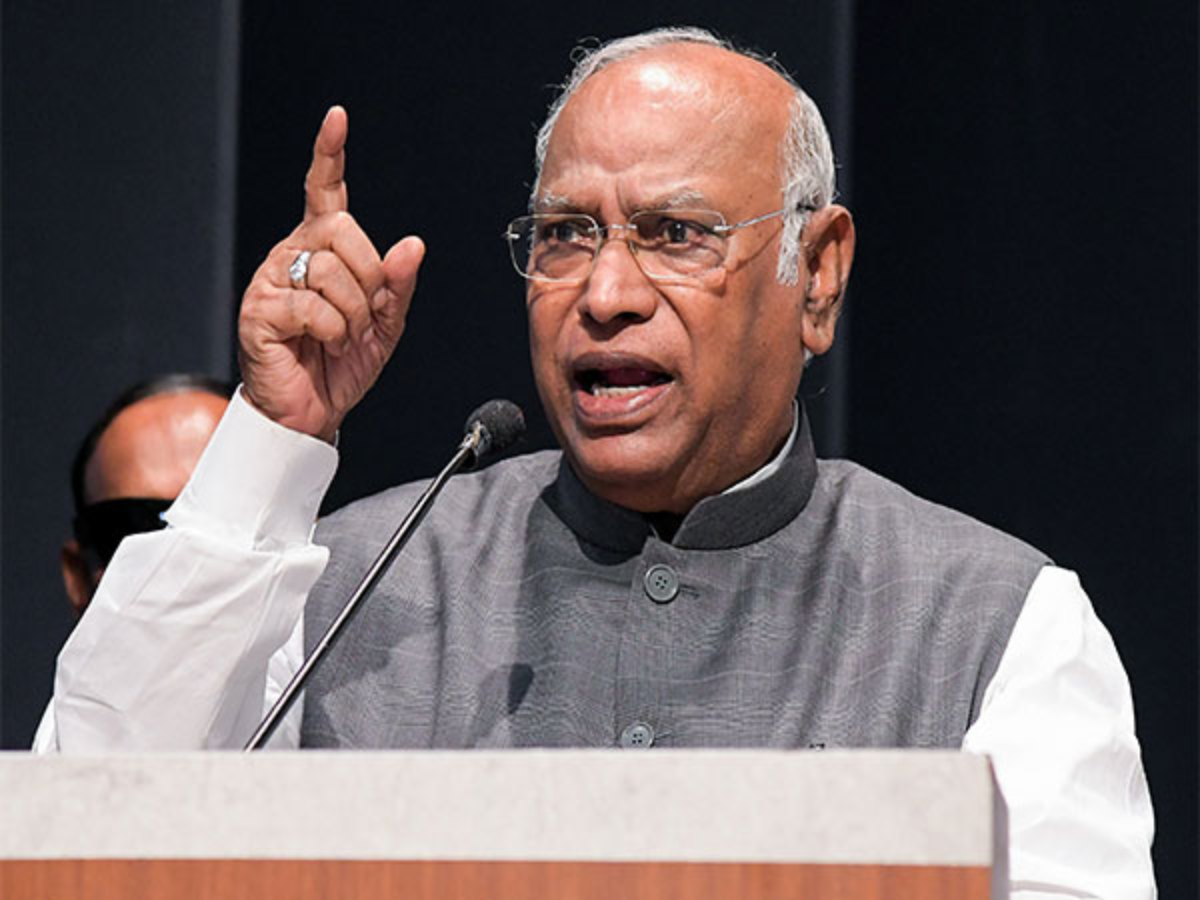
Texas Democratic lawmakers who traveled out of state to thwart Republican redistricting efforts reported Monday that they have returned to the Capitol “victorious.” Following weeks of political brinkmanship, the legislators said their maneuver had redefined the national debate on voting rights and redistricting leading up to the 2026 elections.
Democrats Say Fight Is Far From Over
The Democrats departed Texas last summer to prevent Republicans from having the quorum necessary to pass their suggested voting maps. The action temporarily halted Governor Greg Abbott’s redistricting plans that have been criticized as intended to make the Republican majority in the U.S. House of Representatives stronger.
“We killed the crooked special session, withstood unprecedented intimidation and monitoring, and mobilized Democrats across the country to come together on this survival struggle for equal representation,” declared Gene Wu, chairman of the Texas House Democratic Caucus. He went further to say that Democrats are now “more dangerous to Republicans’ agendas than when we departed” and are getting ready for a strong legal case to fight the maps in court.
Republicans Push Back
Governor Abbott, on the other hand, berated the legislators for leaving behind other urgent issues, such as relief funds for flood-stricken areas. “Texans are entitled to leaders who show up, not leave their responsibilities behind,” Abbott stated, maintaining that Republicans will proceed with their plans to redistrict in the next legislative session.
The chances of Democrats filibustering the maps outright are low in light of the Republican control, but they contend the suggested districts are unconstitutional and in breach of the 1965 Voting Rights Act. They maintain the new maps reduce the political influence of Black and Latino communities by eliminating decades of advancement.
National Stakes in Redistricting
The Texas dispute is part of a larger, high-stakes battle over congressional control. Each U.S. House seat is tied to a district, typically redrawn once every decade following the Census. However, both parties are now moving mid-decade to secure advantages ahead of the 2026 midterms.
Democratic-governed states like California, New York, New Jersey, New Hampshire, and Maryland are gearing up responses to counter Republican gains. California Governor Gavin Newsom recently announced he will submit new voting maps to voters’ approval. If passed, his proposal would gain at least five Democratic seats equaling the number Texas Republicans aim to provide for Donald Trump supporters.
Although the initial standoff in Texas is broken, Democrats say their next move will be in the courts, claiming Republican gerrymandering disrespects fair representation. As both parties are now redrawing maps in influential states, the 2026 elections are set to be characterized as much by redistricting wars as by debate over policy.