
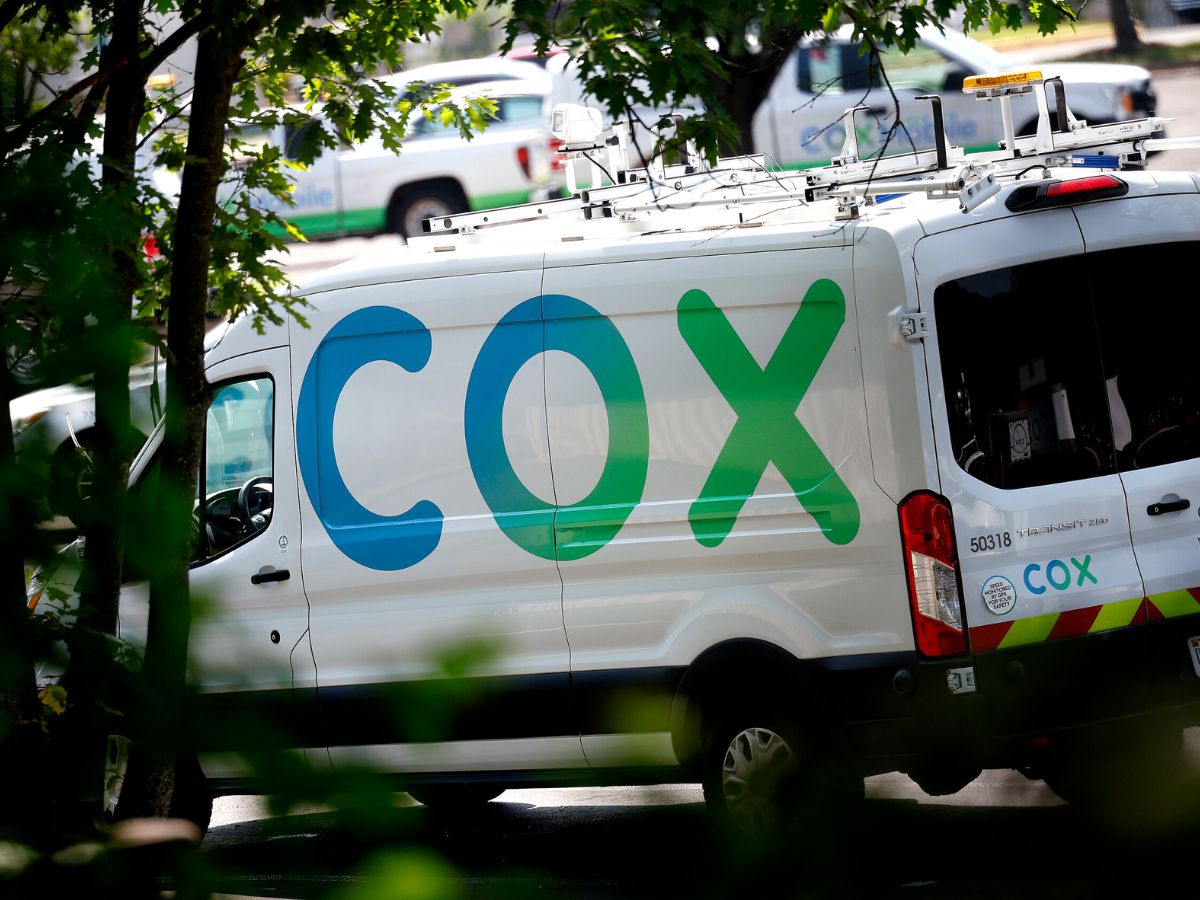
The U.S. Supreme Court justices wrestled on Monday with a high-stakes copyright dispute that could reshape internet service provider (ISP) liability. At the center is a bid by Cox Communications to avoid a potential $1.5 billion penalty for allegedly enabling its customers to pirate thousands of songs owned by major record labels.
Why Are the Record Labels Suing Cox?
The labels — Sony Music, Warner Music, and Universal Music, say Cox ignored widespread piracy. They argue the ISP failed to respond to thousands of copyright complaints and didn’t cut off repeat offenders. In 2019, a Virginia jury ruled against Cox and awarded the labels $1 billion. An appeals court later ordered a new trial to review the damages but upheld the key finding of “contributory infringement,” meaning Cox knew about and helped enable the violations.
Also Read: Europe Rallies for Ukraine, But Peace Plan Hurdles Remain Before Putin Meeting
What is Cox’s Main Defense?
Cox, the largest unit of Cox Enterprises, argues it should not be held responsible for the illegal actions of its users. The company warns that a ruling for the labels would force ISPs to terminate internet access broadly—affecting “entire households, coffee shops, hospitals, universities”—based on allegations against a single, often unidentified, user. Cox claims this would punish innocent people and threaten universal internet access, a point supported by the Trump administration in court.
How Did the Justices React During Arguments?
The justices seemed focused on finding a middle path. They doubted Cox’s argument that simply knowing about piracy wasn’t enough to be liable, with some pointing out that the company’s lack of action was the real issue. Justice Sonia Sotomayor said Cox’s “laissez-faire attitude” probably angered the jury. She used a sharp analogy, comparing Cox to a gun seller who sells a weapon to someone who openly plans to kill, and questioned how continuing to offer internet to a known infringer was any different.
What Are the Broader Implications of This Case?
The ruling will set a critical standard for when an ISP can be held financially responsible for user piracy. Justice Amy Coney Barrett pressed Cox on what incentive it would have to police infringement if it faced no liability risk. Conversely, Justice Samuel Alito worried the labels’ position was too broad, potentially allowing a university’s entire internet to be shut down because of one infringing student. The decision will affect more than just Cox. Tech giants like Google and Amazon, who sided with Cox, and creative industries that backed the labels, will also feel the impact.
Also Read: ‘When Patients Die, Profits Rise’: Luigi Mangione’s Arrest Video Shown in Heated Court Hearing
What Happens Next?
The Supreme Court must now decide whether to uphold the appeals court’s ruling that Cox is liable for contributory infringement. Its decision will either send the case back for a new trial to determine the final penalty—which Cox says could reach $1.5 billion, or exonerate the company. The justices’ tough questions for both sides indicate they are searching for a rule that protects copyrights without imposing draconian enforcement measures on innocent internet users.